Lowell Mills & Canals Audio Tour
Explore Lowell, MA on a self-guided walking tour
Discover Lowell’s historic mills, canals, and riverfront paths at your own pace
At a Glance
📍 Location: Lowell, MA
🚶♂️ Type: Self-Guided Walking Tour
⏱ Duration: 3 hours (flexible)
📏 Distance: 4 mi / 6.3 km loop
✅ Includes: App download, GPS-triggered audio, No expiration
📶 Works Offline: Download ahead of time - no cell service required
🎧 Multiple Languages: English, Spanish
From $9.99 per phone
Use anytime. No expiration.
What to Expect
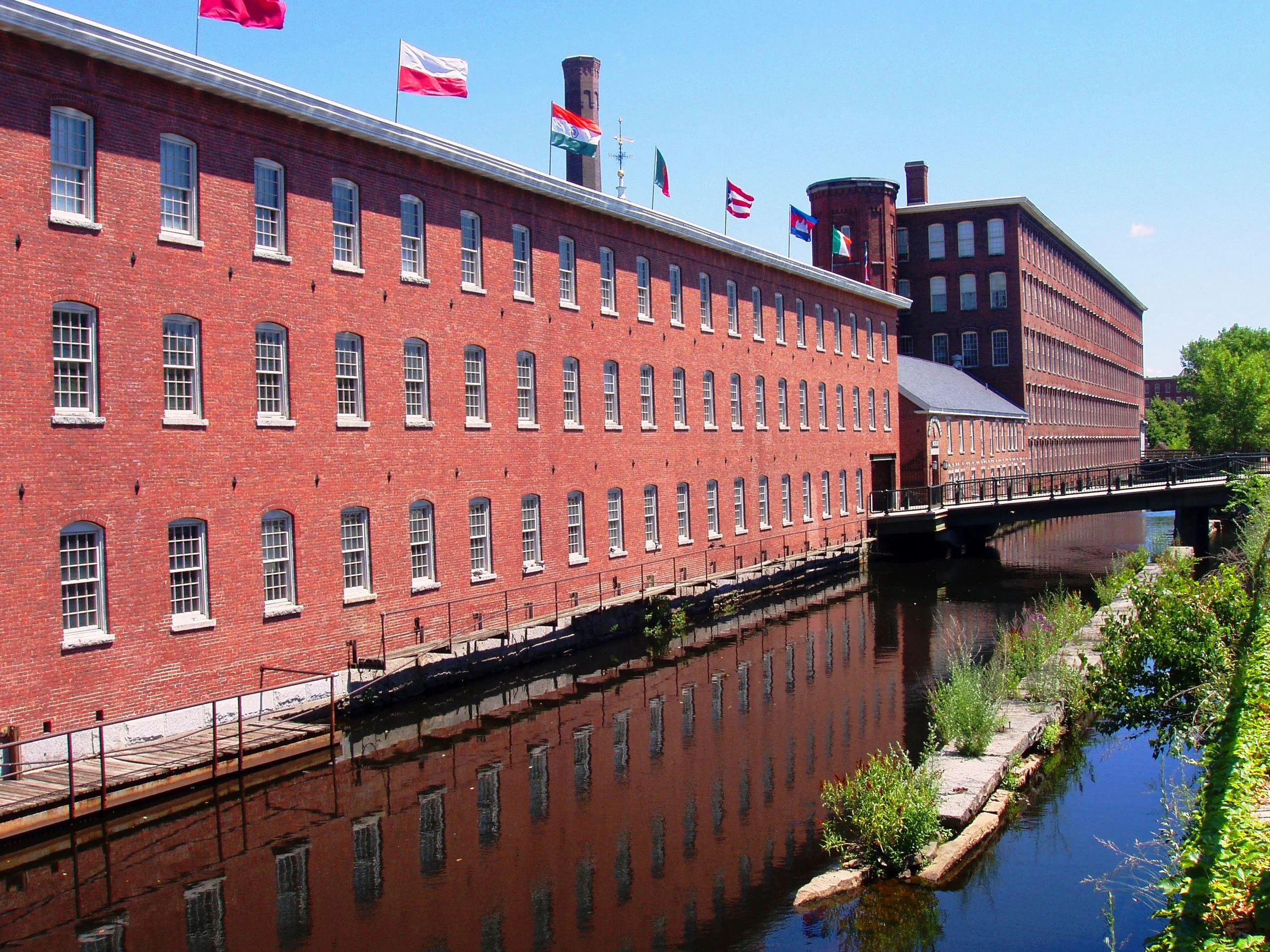
Walk through Lowell’s historic mill district on a self-guided audio tour through brick factory buildings, canal-lined streets, riverfront paths, and former industrial sites. As you walk, GPS-triggered stories reveal how waterpower, labor, engineering, and daily life shaped one of America’s first factory cities.
Tour Highlights
Walk through Lowell’s historic mill district and canal-lined streets
Visit landmarks tied to Lowell National Historical Park
See Market Mills, Boott Cotton Mills, and the Merrimack River
Follow the canals, gatehouses, and waterways that powered the city
Learn how water was captured, measured, and routed through the mills
Explore stories of factory work, boarding houses, engineering, and city life
Pause when you like for museums, parks, photos, or canal walks
-
![]()
Lowell Mills Museum
-
![]()
Lower Locks
-
![]()
City Hall
-
![]()
-
![]()
Historic Downtown
-
![]()
Lowell National Historic Park
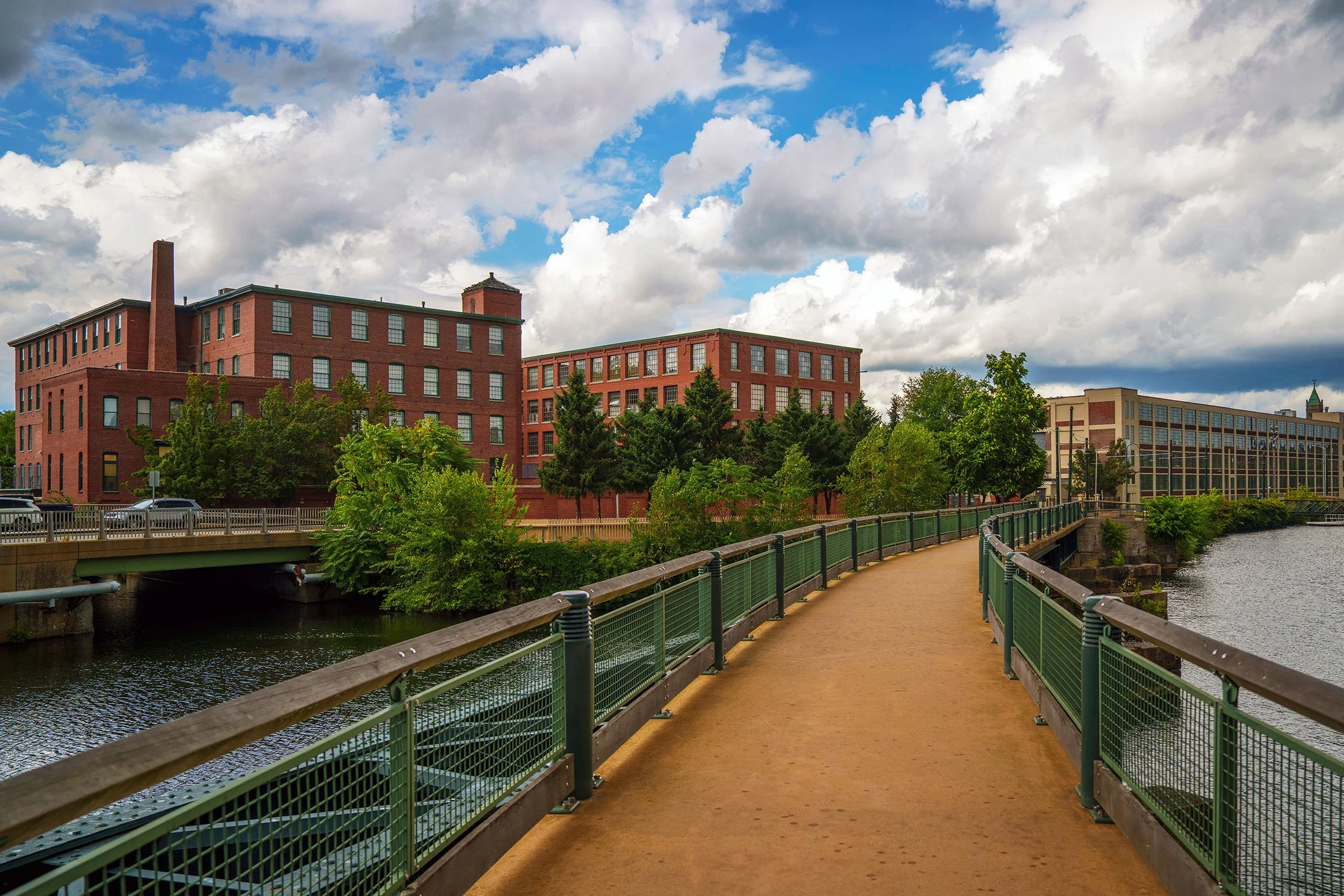
Get Ready for Your Lowell Self-Guided Tour
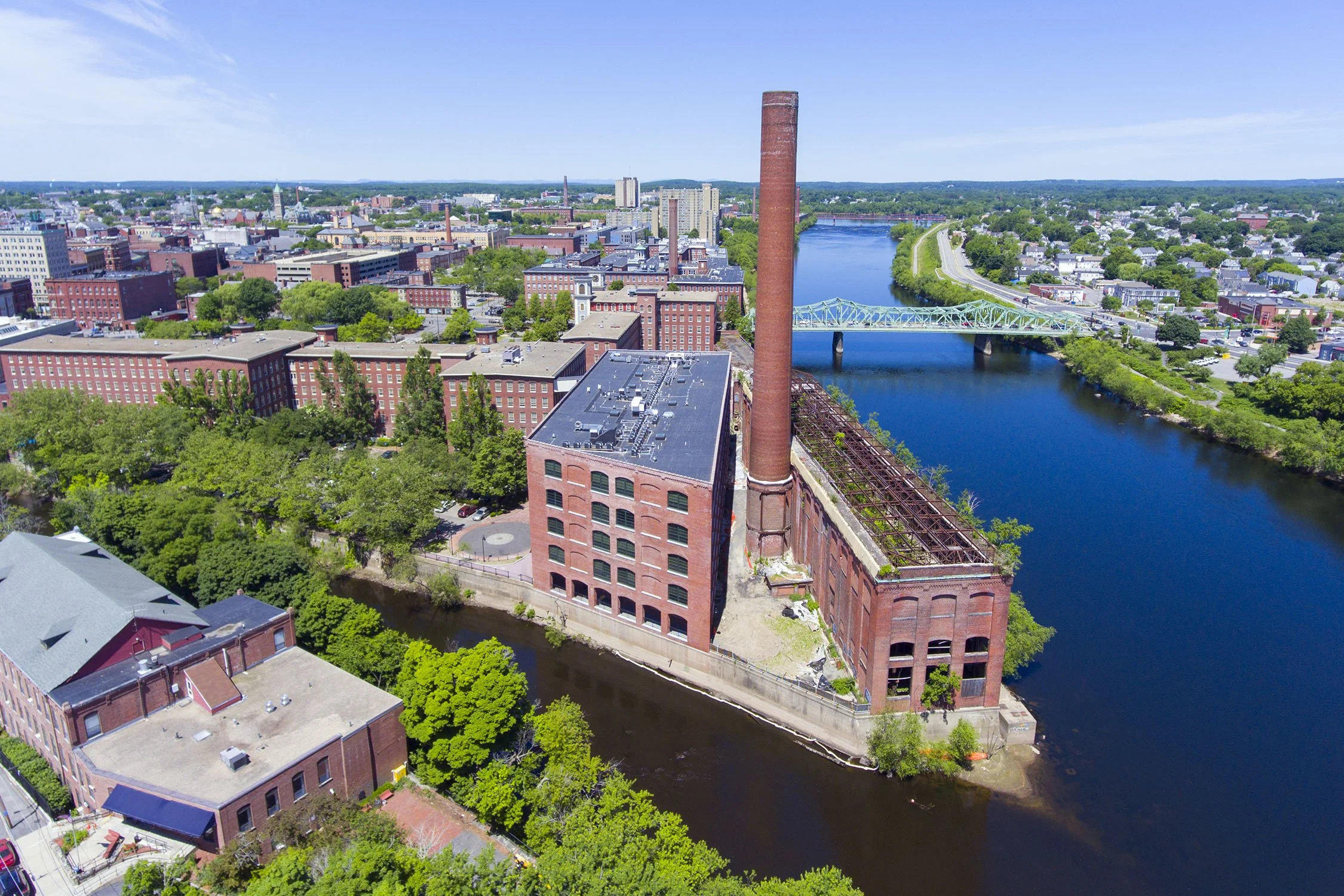
Discover the Birthplace of the American Industrial Revolution: A Lowell Self-Guided Walking Tour
Step back in time with Water, Labor, and Revolution: A Walk Through Lowell, an immersive self-guided walking tour through Lowell National Historical Park in Massachusetts. Explore how the mighty Merrimack River and an audacious vision gave rise to America’s first planned factory city. Whether you're a history enthusiast, an engineering buff, or simply looking for a fascinating day trip in Massachusetts, this tour offers a captivating journey into the heart of early industrial America.
An Engineered City of Canals and Mills
Long before modern manufacturing, Lowell was engineered as a massive, interconnected system. On this self-guided audio tour, you’ll see exactly how water was captured, measured, and routed through an intricate network of canals, locks, and gatehouses to power entire blocks of textile mills. You'll discover how this landscape wasn't built by chance—it was meticulously designed to turn raw river energy into a booming, large-scale industrial powerhouse. Lowell doesn't just tell an industrial story; it shows you exactly how the machine worked.
The Voices of Labor and Migration
Machinery is only half the story. The true heartbeat of Lowell was its people. Walk in the footsteps of the famous Mill Girls—young women recruited from New England farms who shaped the city's early identity and pioneered early labor movements. As you navigate the historic boardinghouses and mill yards, you'll uncover the rich tapestry of immigrants from Ireland, Greece, Portugal, Poland, Cambodia, and beyond. Each wave of migration sustained the city’s industries, fought for better working conditions, and transformed Lowell's cultural fabric across generations.
A Legacy of Reinvention
Even as the textile economy shifted, Lowell refused to fade into a ruined industrial landscape. Today, its monumental brick mills and waterways have been reborn. You’ll witness a vibrant city where preservation meets adaptive reuse—where museums, parks, and cultural spaces now thrive inside the very buildings once dedicated to grueling production. History remains unusually visible here, etched into the streets and structures around you.
Tour Highlights
Trace the Water's Path: Marvel at the ingenious canals, gatehouses, and lock systems that fueled the American Industrial Revolution
Meet the Mill Girls: Uncover the daily lives, boardinghouse rules, and pioneering labor struggles of early textile workers
Explore Historic Mill Complexes: Get up close to the monumental brick architecture that defined a new era of urban design and industrial capitalism
Celebrate Cultural Heritage: Learn how waves of global migration shaped Lowell’s diverse neighborhoods and enduring civic identity
Go at Your Own Pace: Enjoy the ultimate flexibility of a self-guided tour, allowing you to linger at the historic sites, museums, and scenic river views that intrigue you most
What You’ll See on Your Lowell Walking Tour
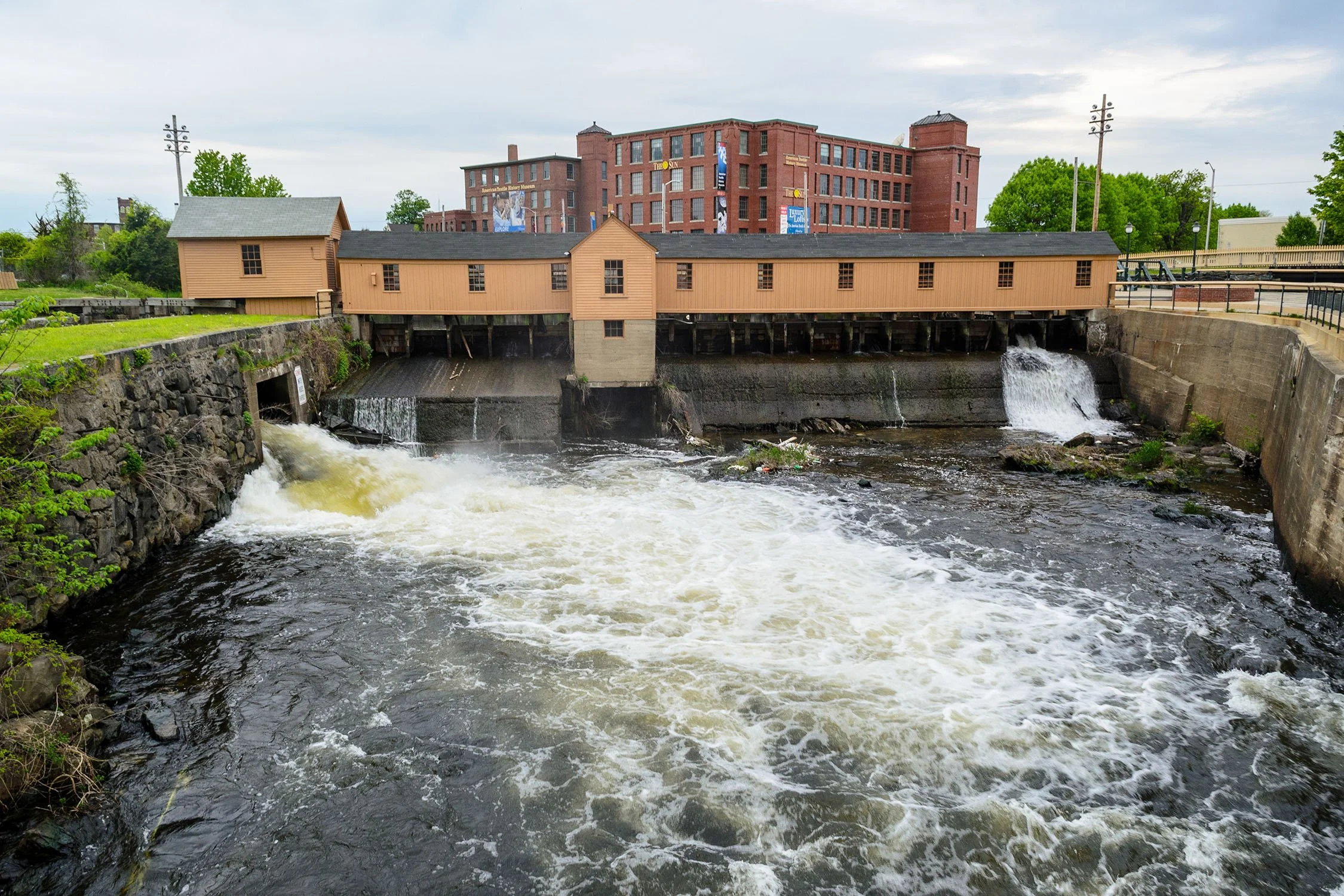
Lowell National Historical Park Visitor Center
Kick off your exploration at this welcoming center, featuring engaging displays that chronicle Lowell's rise from a peaceful agricultural town to a massive textile hub. It provides an excellent introduction to the intricate waterways and the resilient workforce that defined the city's industrial golden age.
Boott Cotton Mills Museum
Dive into the gritty reality of America's Industrial Revolution by exploring extensive exhibits focused on the daily lives of 19th-century laborers. This immersive museum complex paints a vivid picture of the grueling textile manufacturing process and the ever-changing face of Lowell's immigrant workforce.
Boott Mills Weave Room
Feel the floor shake and hear the tremendous clatter of authentic, running power looms in this recreated 1920s factory space. It is an unforgettable sensory experience that truly brings to life the demanding, noisy conditions endured by the city's mill workers.
Pawtucket Gatehouse
Housing the enormous sluice gates that control the powerful Merrimack River, this imposing brick facility is a marvel of early American engineering. Standing before it gives you a profound appreciation for the massive mechanical infrastructure required to physically power an entire manufacturing city.
Northern Canal Walkway
Enjoy a picturesque walk down this narrow promenade, which beautifully divides the Northern Canal from the rushing waters of the Merrimack River. The path yields incredible views of the Great Stone Dam while highlighting the dramatic ways 19th-century planners altered the local landscape.
Mogan Cultural Center
Located inside a beautifully preserved 1830s corporate boarding house, this museum highlights the personal stories of the iconic "mill girls" and subsequent immigrant groups. Visitors gain an intimate perspective on the shared living conditions, tight-knit communities, and off-the-clock routines of the people who kept the factories running.
Market Mills / Lowell Manufacturing Company
Once renowned for producing high-quality carpets, this vast brick structure represents one of Lowell's first major triumphs in large-scale industrial manufacturing. The beautifully repurposed complex remains a striking visual anchor downtown, symbolizing the immense corporate vision that built the city.
Suffolk Mill Turbine Exhibit
Get an up-close look at a genuine Boyden water turbine to uncover the hidden, mechanical ingenuity that drove the Industrial Revolution. This exhibit clearly illustrates the brilliant engineering used to capture the kinetic force of canal water and transfer it directly to the factory floors above.
Boarding House Park
Serving as a vibrant venue for summer concerts and festivals, this lovely park sits exactly where row upon row of worker housing once stood. It is a wonderful place to relax and take in the surrounding industrial architecture while reflecting on the communal life of the early mill workers.
Pawtucket Canal
Initially built in the late 18th century to help boats bypass the dangerous Pawtucket Falls, this canal was ingeniously adapted to serve as the primary source of Lowell's water power. Tracing its route highlights the foundational waterway that sparked the town's evolution into a thriving manufacturing center.
Western & Merrimack Canals
Snaking right through the city center, these essential waterways demonstrate how water was systematically diverted to power multiple factories simultaneously. A stroll along their historic banks perfectly illustrates the masterful blend of urban layout and hydraulic engineering that defined Lowell.
Swamp Locks
Functioning as a vital intersection within the canal network, this intricate system of gates managed the varied water elevations across the city. It showcases the exact hydraulic engineering required to balance water flow, ensuring the mills had consistent power while preventing catastrophic floods.
Lower Locks
Located at the scenic junction where the Pawtucket Canal meets the Concord River, these locks were once heavily utilized by barges transporting goods and materials. Today, the tranquil site serves as a beautiful reminder that Lowell's waterways were essential for both energy production and commercial shipping.
Francis Gate Park
Discover the home of the "Great Gate," a colossal wooden barrier designed in 1850 by James B. Francis to shield the mills from surging floodwaters. Initially ridiculed as an unnecessary expense, this brilliant piece of preventative engineering famously spared the city from destruction just two years later.
Guard Locks Site
Acting as the main control valve for the entire system, these sturdy locks regulate the massive influx of water flowing from the Merrimack River into the canals. Viewing this heavy-duty infrastructure gives you a true sense of the sheer force required to harness a wild New England river.
Lowell City Hall
Built from massive blocks of granite in the Richardsonian Romanesque style, this architectural gem perfectly captures the immense civic wealth generated by the textile industry. With its soaring clock tower and intricate stonework, it remains the majestic focal point of the historic downtown area.
The Brush Art Gallery & Studios
Located inside the classic brick walls of Market Mills, this dynamic gallery transforms industrial history into a vibrant showcase for contemporary local artists. It is a fantastic place to browse modern works and witness how the city's creative spirit continues to flourish today.
Lucy Larcom Park
Dedicated to the celebrated poet who once worked the looms herself, this serene, shaded park gently hugs the edge of the Merrimack Canal. It offers a tranquil spot to rest your feet and consider the rich literary legacy left behind by Lowell's ambitious female workforce.
Shattuck Street
Take a stroll down this picturesque, cobblestone thoroughfare to admire a beautifully preserved collection of 19th-century civic and commercial buildings. The historic streetscape acts as a perfect time capsule, offering an atmospheric window into the daily hustle and bustle of Lowell's golden era.
Great River Wall
Stretching for nearly a mile along the Merrimack River, this massive granite barricade was built to defend the valuable factories from destructive flooding and erosion. The colossal stonework is an awe-inspiring testament to the incredible manpower and resources dedicated to protecting the city's livelihood.
Spalding House
Erected in 1760, this elegant Georgian residence is one of Lowell's oldest standing buildings, offering a stark contrast to the sprawling brick factories around it. It provides a rare, fascinating glimpse into the quiet, rural farming community that occupied this land long before the canals were ever dug.
Lowell Machine Shop Site
Formerly the largest facility of its kind in the nation, this site birthed the heavy turbines, spinning frames, and power looms used throughout the city's mills. Though the original structures are mostly gone, visiting this space underscores how Lowell successfully manufactured its own industrial equipment from the ground up.
Meeting Point
Your Lowell walking tour begins at Market Mills Park.
Market Mills Park can be found at 132 Market Street, Lowell, directly beside the Lowell National Historical Park Visitor Center.
FAQs About Our Lowell Audio Walking Tour

-
Entrance to the Boott Cotton Mills Museum costs the following:
Adults: $6.00
Seniors (62+): $4.00
Youths (6–16): $3.00
Students (16+ with ID): $4.00
Children (5 and under): Free
Visit the National Park Service website for more information.
-
Tours are fully refundable up to 24 hours in advance.
If it’s within 24 hours or you had an issue during your tour, email support@drivesanddetours.com. We review all requests individually and will always do our best to make things right.
Our goal is to ensure every traveler has a great experience exploring with Drives & Detours.
-
Drives & Detours’ Lowell walking tour covers approximately 4 miles (6.4 kilometers) and takes about 2 hours at a relaxed pace.
-
Yes, downloading the Drives & Detours app will give you full access to the tour you have purchased, as well as many other self-guided tours.
-
Download the tour before you go. Some areas have poor signal, which can make downloading the tour difficult. Once the tour is downloaded, it will work without any cell signal
The tour audio plays automatically as you approach each stop
Want to see more? Tap “View Stop” to see photos and bonus content
To return to the map, tap the small down arrow between the “previous” and “next” buttons
Follow the blue line and audio directions to stay on route
Use audio controls to pause, rewind, or skip—just like a podcast
Safety first: Keep your eyes on the road or sidewalk, follow traffic laws, and stay aware of your surroundings
-
No—download your Lowell tour before you go, and you won't need a cell signal. Drives & Detours’ tours work without any cell signal once they are downloaded to your device.
-
Once you have purchased your Lowell walking tour from Drives & Detours, you can use it whenever you want. You can always take the tour another day if the weather is bad on the day you plan to take it.
-
Unfortunately, Drives & Detours cannot guarantee that the Lowell self-guided tour is accessible. People with wheelchairs, strollers, or mobility impairments are very welcome, but we recommend checking the Macaroni Kid website for detailed information.
Pro Tips for Your Drives & Detours Lowell Self-Guided Tour
Download before you go.
Enable location services—GPS triggers the audio.
Use earbuds, headphones, or your car speakers.
Pause and resume anytime. If you take a break, just reopen the app and head back toward your last stop.
Lost your way? Tap any pin on the map, then tap the right-turn-arrow icon to open your default maps app for turn-by-turn directions to that spot.
Drives & Detours' Nearby Tours
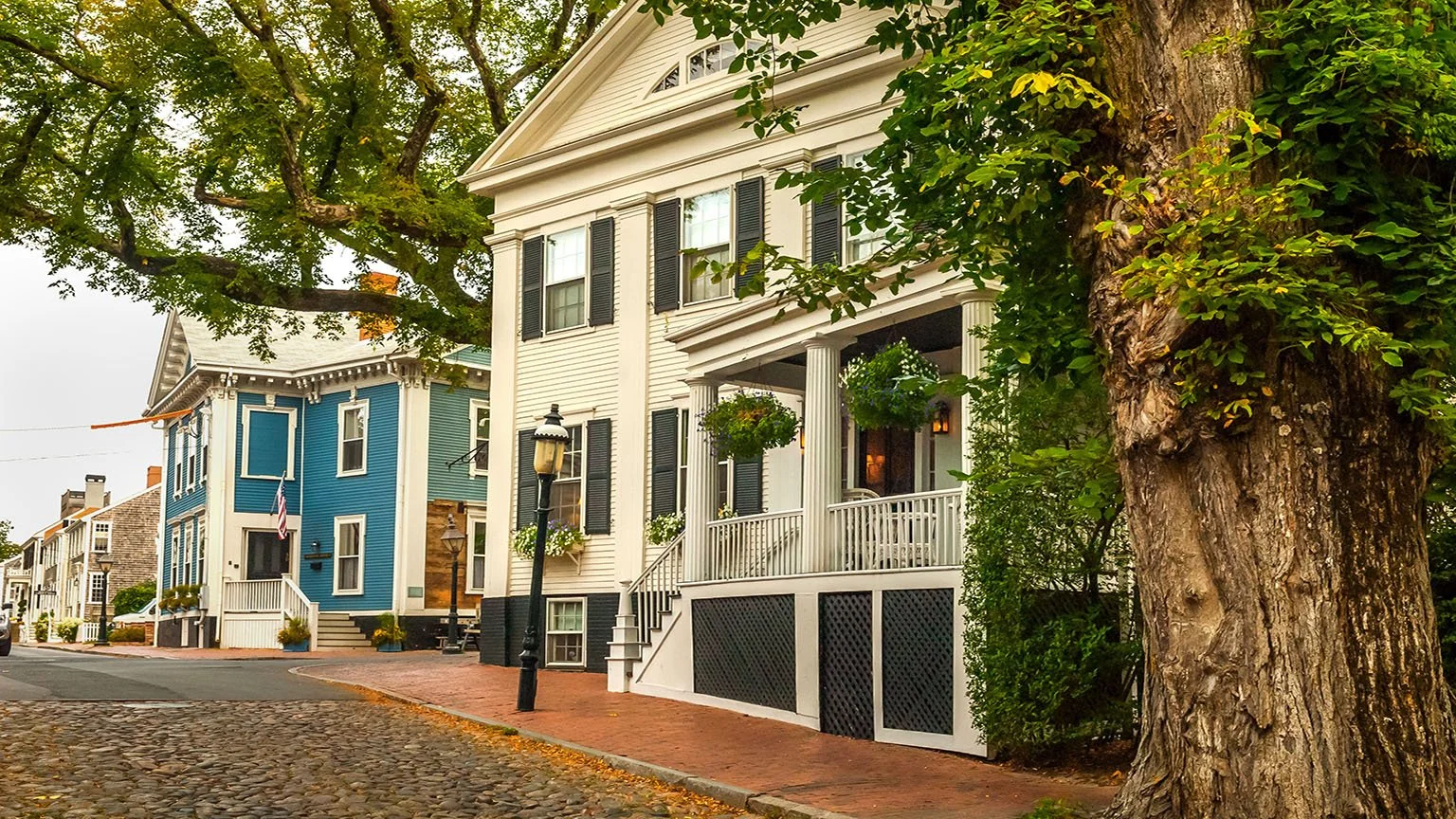
Beyond the Cobblestones: Self-Guided Audio Tour of Nantucket
Journey through Nantucket’s rich history as you explore its charming cobblestone streets and uncover how the island grew from a quiet coastal community into a world-renowned whaling center. Featuring GPS-triggered narration and offline convenience, this self-guided tour takes you to both famous landmarks and hidden corners. Along the way, you’ll discover the stories, people, and events that left a lasting mark on Nantucket’s identity.
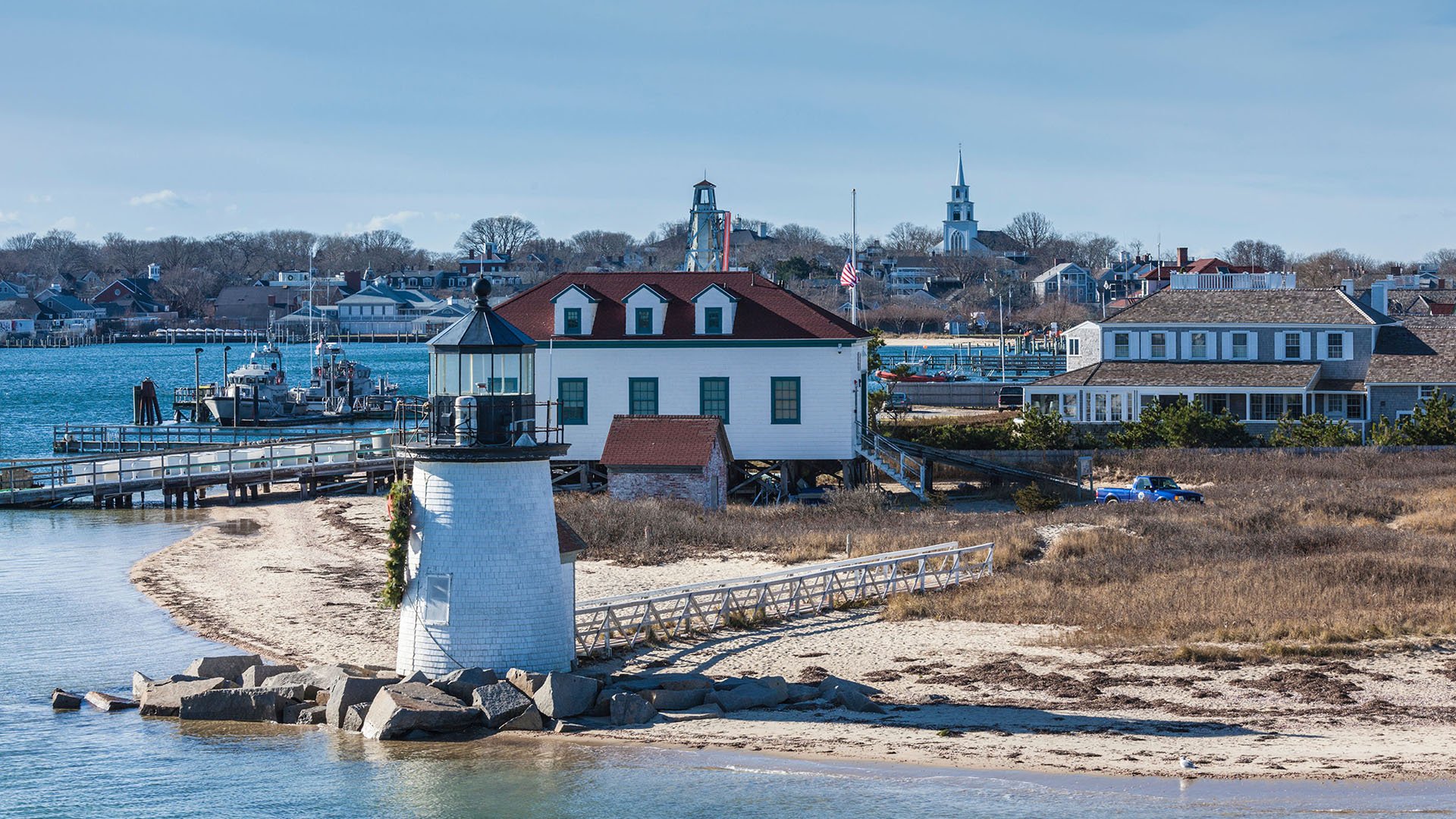
Nantucket Coast to Coast Driving or Biking Tour
Experience Nantucket from one shore to the other on a self-guided tour built for both drivers and cyclists. Travel between Madaket and Sconset while taking in historic neighborhoods, scenic beaches, iconic lighthouses, and sweeping island views. Throughout the route, engaging audio commentary shares the history and character that make Nantucket unique, allowing you to explore entirely at your own pace.
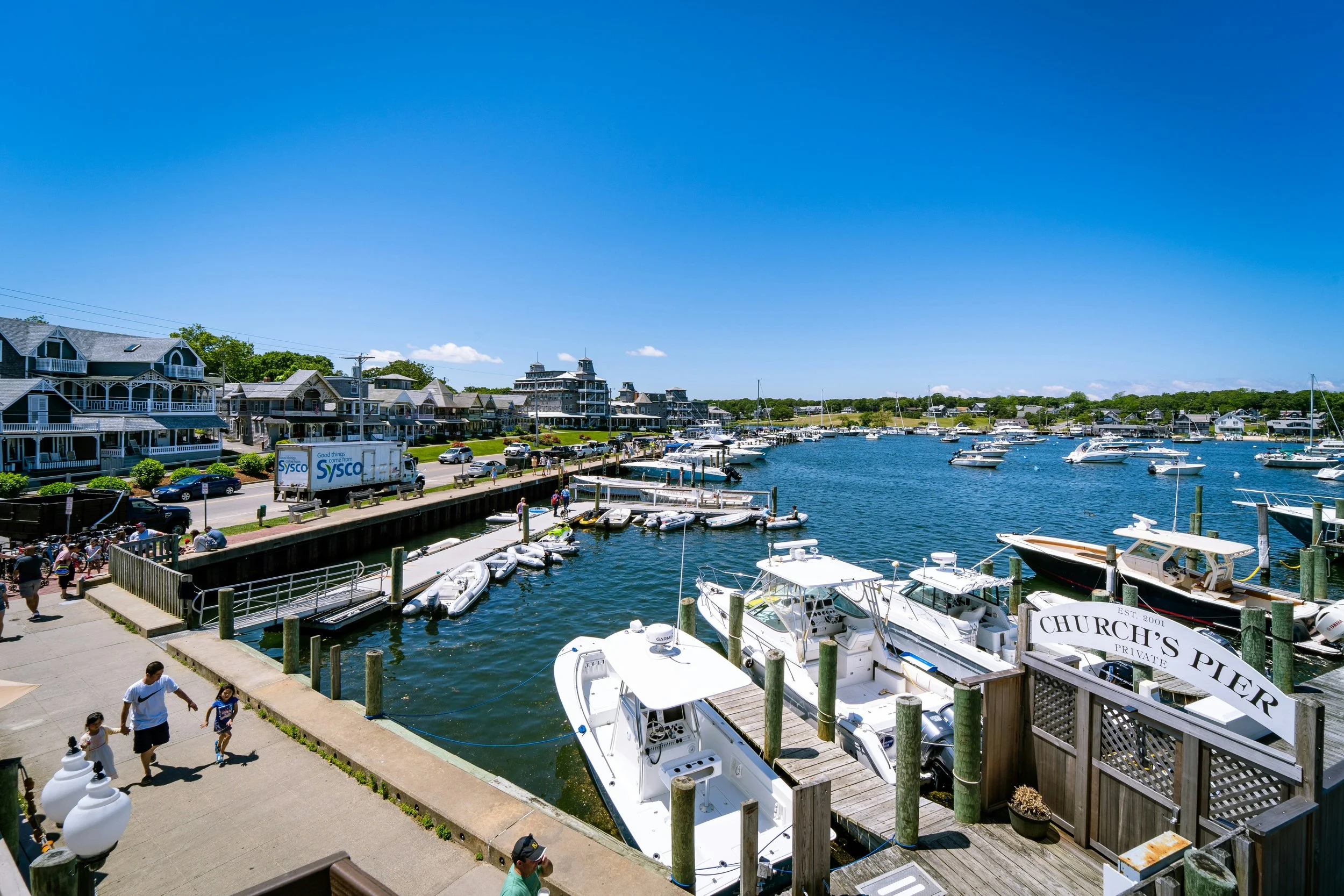
Oak Bluffs, Martha’s Vineyard, Seaside Stroll Audio Tour
Discover the lively atmosphere of Oak Bluffs on a self-guided walking tour through Martha’s Vineyard’s most colorful seaside village. Wander past charming gingerbread cottages, waterfront parks, and beloved local attractions like the Flying Horses Carousel and Inkwell Beach. As you explore, immersive narration reveals the traditions, stories, and cultural influences that shaped this treasured coastal community.
Discover More About Massachusetts