Footsteps to Freedom: Audio Tour of Birmingham
Self-Guided Walking Tour of Birmingham’s Civil Rights District
What to Expect
Follow Footsteps to Freedom on a self-guided audio walking tour through Birmingham’s Civil Rights District. Starting at the Birmingham Civil Rights Institute, you’ll explore Kelly Ingram Park, the 16th Street Baptist Church, and sculptures honoring foot soldiers, ministers, and local leaders. Continue past St. Paul United Methodist, the Ballard House, and the A.G. Gaston Motel, then step into the jazz and business legacy of the 4th Avenue Historic District, Carver Theatre, and the Alabama Theatre. Location-triggered audio in the Drives & Detours app lets you pause, linger, or replay stops as you connect with the people, protests, and places that helped change a nation.
Ready to go? Book below or download our app and purchase directly from your phone.
📍 Location: Birmingham, AL
🚶♂️ Type: Walking tour
⏱ Duration: Approx. 2 hours (flexible)
✅ Includes: App download, GPS-triggered audio, No expiration
📶 Works Offline: Download ahead of time - no cell service required
🎧 Multiple Languages: English, Spanish
Get Ready for Your Birmingham Self-Guided Tour

Experience one of America’s most defining eras as you walk through Birmingham’s Civil Rights District on this self-guided tour.
Designed for reflection and discovery, the route leads you through the very streets where everyday citizens stood up to injustice and reshaped the country through steadfast, nonviolent action.
Move at your own pace as you visit churches, parks, and landmarks that witnessed turning points of the 1960s movement.
Engaging audio narration adds depth to each stop, revealing how faith communities, grassroots organizers, and courageous young people fueled a national call for change.
This walk doesn’t just recount history—it connects you to it.
Through powerful stories and the places where they unfolded, the tour offers a heartfelt understanding of the sacrifices, strategy, and hope that transformed Birmingham and left a permanent imprint on America’s story.
What You’ll See on Your Birmingham Walking Tour
The Four Spirits Sculpture
This poignant bronze memorial honors the four girls killed in the 1963 church bombing. Its expressive design conveys innocence, loss, and the quiet strength that continues to inspire.
16th Street Baptist Church
A cornerstone of the movement, this church served as a planning hub for marches and meetings. Its legacy and location make it one of the most emotional and significant stops.
A.G. Gaston Motel
Once a strategic refuge for Civil Rights leaders—including Dr. Martin Luther King Jr.—this motel provided a safe space where key decisions were shaped during turbulent times.
Birmingham Civil Rights Institute
Located across from Kelly Ingram Park, this museum deepens the experience with powerful exhibits and firsthand accounts that illuminate the broader context of the movement.
Carver Theatre / Alabama Jazz Hall of Fame
Originally a cinema for Black audiences, this restored venue now celebrates Birmingham’s jazz heritage through music history, artifacts, and exhibitions.
The Foot Soldier of Birmingham
A tribute to the young demonstrators who faced arrest and intimidation with extraordinary courage. The memorial honors their essential role in propelling the movement forward.
Fourth Avenue Historic District
Once known as the “Harlem of the South,” this corridor thrived as a center of Black-owned businesses, culture, and community leadership during segregation.
Kelly Ingram Park
The backdrop of the Children’s Crusade, where peaceful protesters endured fire hoses and police dogs. Today’s sculptures reflect those defining moments with powerful symbolism.
Masonic Temple Building
A grand structure that served as a vital hub for Black civic, social, and professional life. Its enduring architecture speaks to resilience and community pride.
Statue of Fred Shuttlesworth
A monument to one of the movement’s boldest leaders. The statue captures his unwavering determination and the moral clarity that guided Birmingham’s struggle for justice.
St. Paul United Methodist Church
A congregation deeply involved in organizing and activism. Beneath its humble exterior lies a rich history of unity and resistance.
The Ballard House
This unassuming home played an essential behind-the-scenes role, offering space for planning, strategy, and support networks during the height of the movement.
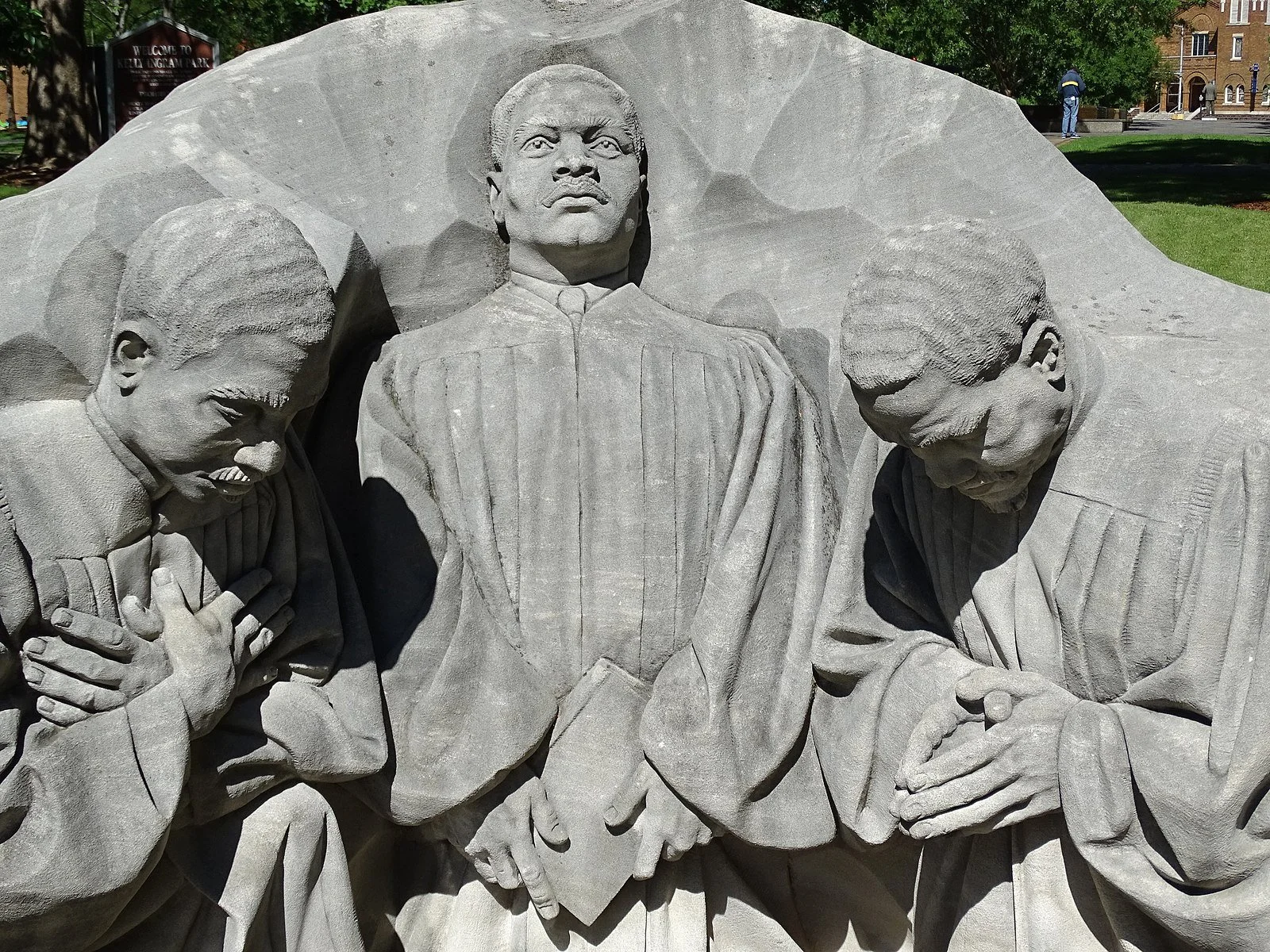
Three Kneeling Ministers Statue
A reflective memorial honoring clergy who stood in solidarity with nonviolent protest. The sculpture underscores the spiritual foundation of the movement.
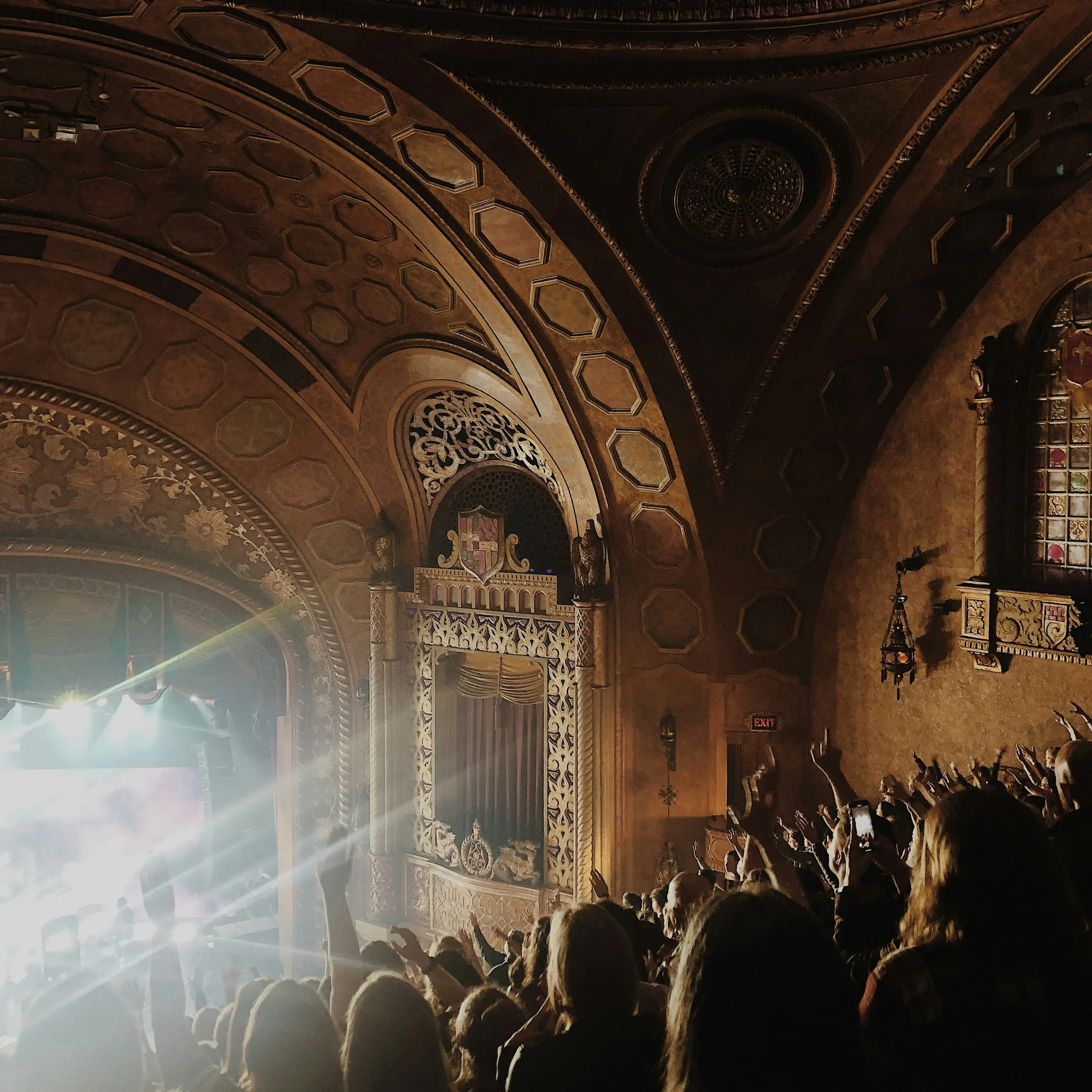
Alabama Theatre
A beautifully preserved 1920s movie palace that reflects the city’s cultural past. Its opulent interior contrasts with the strict social barriers that once defined the era.
Meeting Point
Your Birmingham walking tour begins at the Birmingham Civil Rights Institute.
The Birmingham Civil Rights Institute is a large domed building on 16th Street North, beside Kelly Ingram Park. It is opposite the 16th Street Baptist Church.
FAQs About Our Birmingham Audio Walking Tour
-
Tickets to the Birmingham Civil Rights Institute cost the following:
Adult (18–64): $15
Senior (65+): $13
College Student (With ID): $13
Youth (Grade 4–12): $13
Child (Grades 3 and Below): Free
Visit the Birmingham Civil Rights Institute website for more information.
-
Tickets to the Carver Theatre and Alabama Jazz Hall of Fame cost the following:
General Admission: $5.00
Child (3 and Under): Free
Visit the Alabama Jazz Hall of Fame website for more information.
-
Tickets to the Alabama Theatre vary in price depending on the show and the seats you choose. Visit the Alabama Theatre website for more information.
-
Tours are fully refundable up to 24 hours in advance.
If it’s within 24 hours or you had an issue during your tour, email support@drivesanddetours.com. We review all requests individually and will always do our best to make things right.
Our goal is to ensure every traveler has a great experience exploring with Drives & Detours.
-
Our Birmingham, Alabama, tour is flat and about 1–2 miles. You'll want to allow 2 hours to give yourself time at some of the stops.
-
Yes, downloading the Drives & Detours app will give you full access to the tour you have purchased, as well as many other self-guided tours.
-
Download the tour before you go. Some areas have poor signal, which can make downloading the tour difficult. Once the tour is downloaded, it will work without any cell signal
The tour audio plays automatically as you approach each stop
Want to see more? Tap “View Stop” to see photos and bonus content
To return to the map, tap the small down arrow between the “previous” and “next” buttons
Follow the blue line and audio directions to stay on route
Use audio controls to pause, rewind, or skip—just like a podcast
Safety first: Keep your eyes on the road or sidewalk, follow traffic laws, and stay aware of your surroundings
-
No—download your Birmingham tour before you go, and you won't need a cell signal. Drives & Detours’ tours work without any cell signal once they are downloaded to your device.
-
Once you have purchased your Birmingham walking tour from Drives & Detours, you can use it whenever you want. You can always take the tour another day if the weather is bad on the day you plan to take it.
-
Unfortunately, Drives & Detours cannot guarantee that the Birmingham self-guided tour is accessible. People with wheelchairs, strollers, or mobility impairments are very welcome, but we recommend checking the Visit Birmingham website for detailed information.
Pro Tips for Your Drives & Detours Birmingham Self-Guided Tour
Download before you go.
Enable location services—GPS triggers the audio.
Use earbuds, headphones, or your car speakers.
Pause and resume anytime. If you take a break, just reopen the app and head back toward your last stop.
Lost your way? Tap any pin on the map, then tap the right-turn-arrow icon to open your default maps app for turn-by-turn directions to that spot.
Drives & Detours' Nearby Tours

Great Smoky Mountains Self-Guided Audio Driving Tour
Get more out of your Great Smoky Mountains National Park visit with a driving tour that starts when you’re ready. Location-triggered audio points out overlooks, walks, and pullouts along Newfound Gap Road, while sharing insights into Cherokee history and mountain ecosystems, with optional side trips to Kuwohi, Cades Cove, and Roaring Fork for added views, wildlife, and heritage sites.
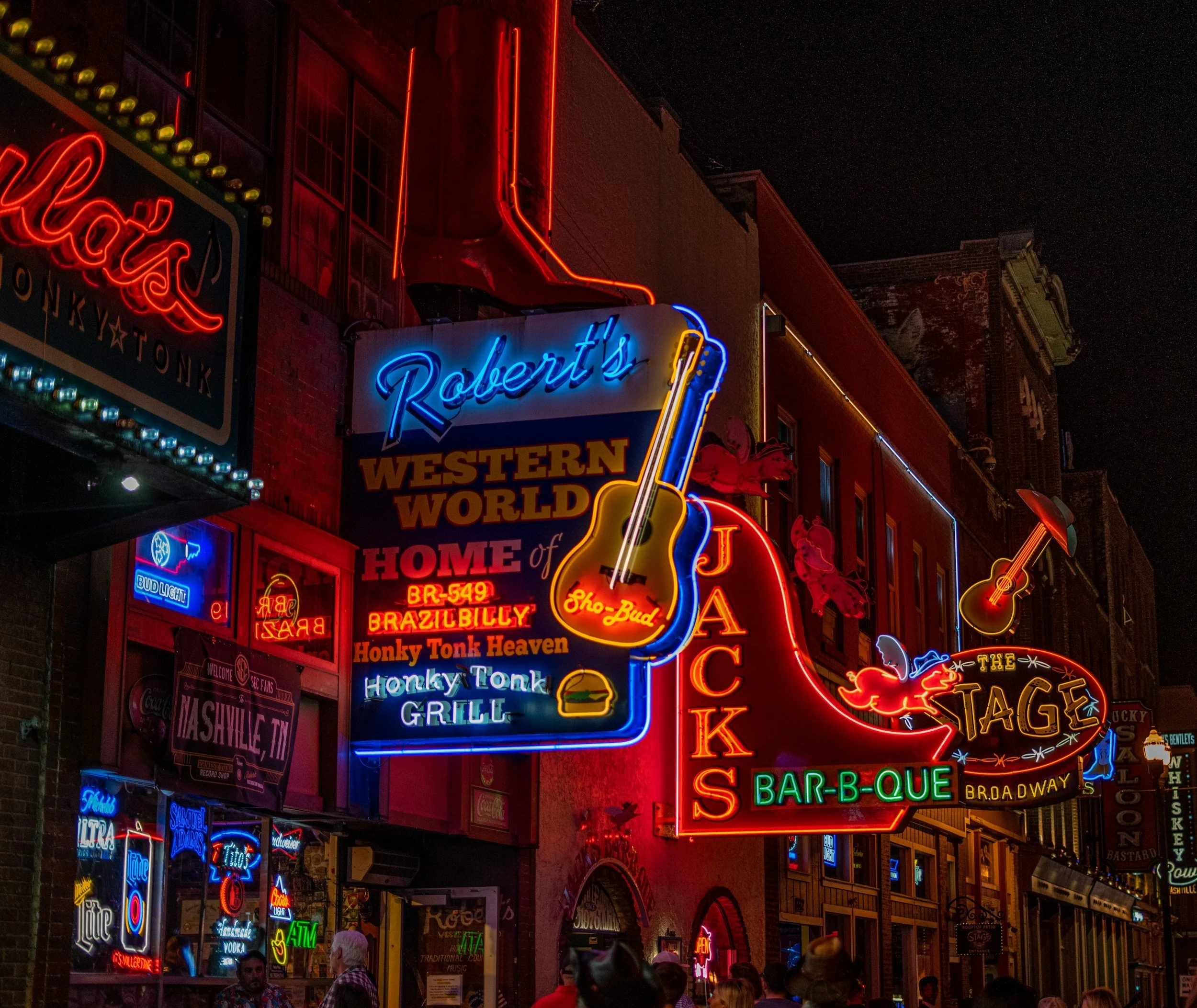
Voices of Music City: Discover Downtown Nashville
Journey from the Cumberland River to Lower Broadway with a self-guided tour that brings Nashville’s story into focus. Discover music lore, architecture, and cultural milestones at places such as the Frist Art Museum, Customs House, and Country Music Hall of Fame, all delivered through location-based narration in the Drives & Detours app.
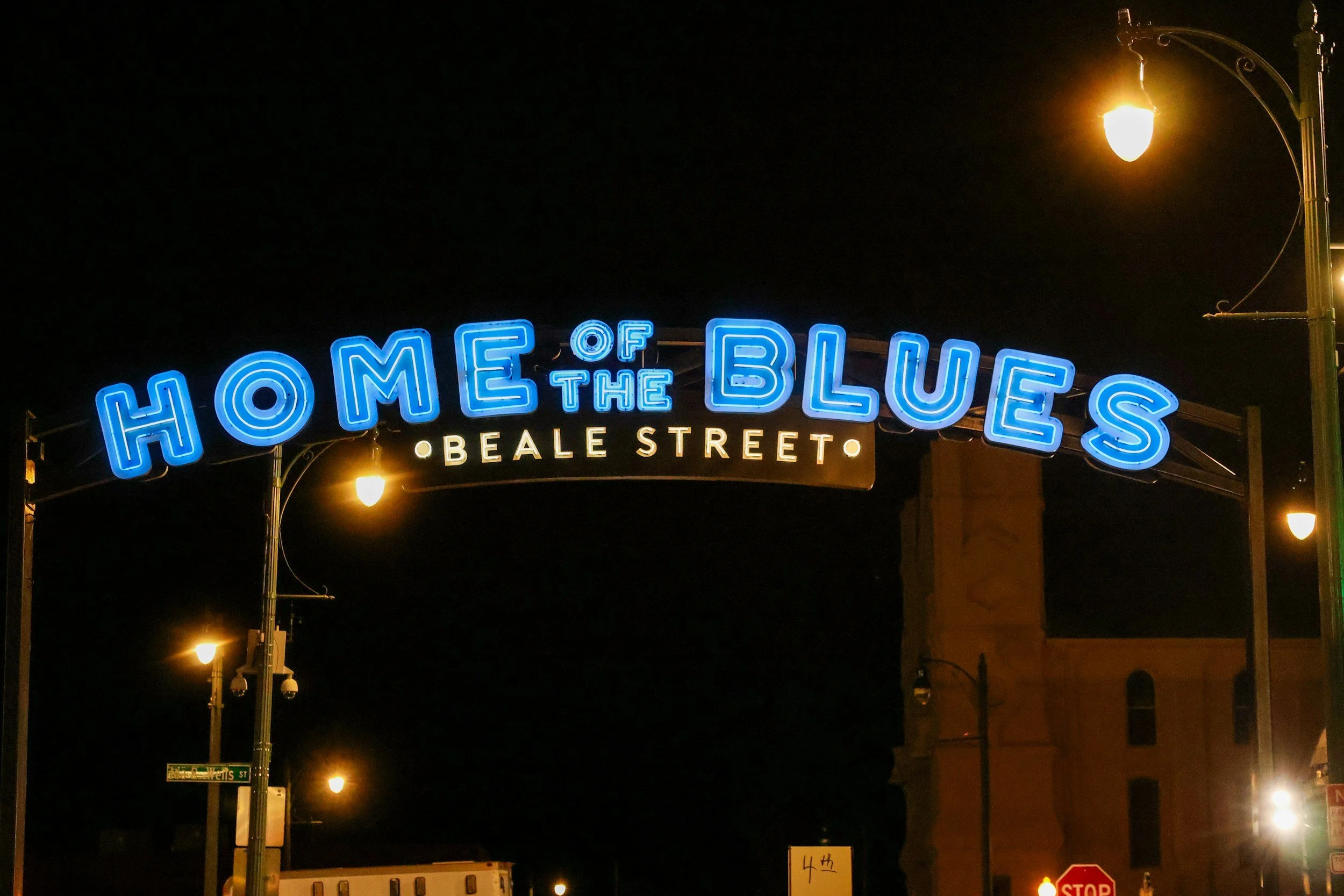
Walking the Blues: Memphis' Beale Street Tour
Take a self-guided walk along Beale Street and trace the roots of Memphis music, where the blues found its voice. Pass legendary venues, public art, and historic sites while hearing the stories of artists like B.B. King and the community that shaped a sound still felt today.
Discover More About Birmingham, AL