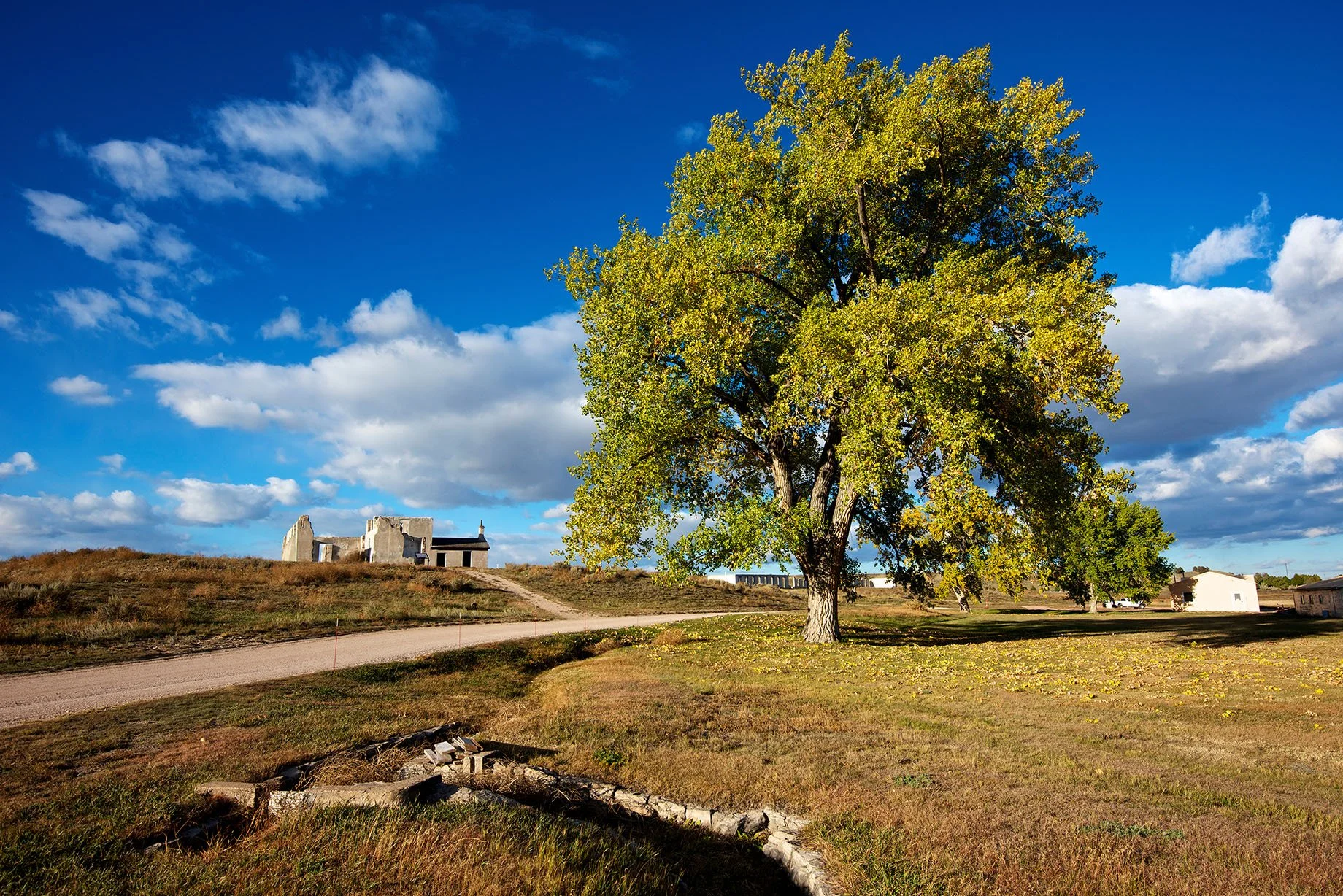
Fort Laramie Self-Guided Audio Tour
Walk Through a Fort Shaped by Trails, Treaties, and Expansion
Explore historic buildings, ruins, and stories from a crossroads of the American West
At a Glance
📍 Location: Fort Laramie, WY
🚶♂️ Type: Self-Guided Walking Tour
⏱ Duration: 1.5 hours (flexible)
📏 Distance: 1 mi / 1.6 km
✅ Includes: App download, GPS-triggered audio, No expiration
📶 Works Offline: Download ahead of time - no cell service required
🎧 Multiple Languages: English, Spanish
From $9.99 per phone
Use anytime. No expiration.
What to Expect
Explore Fort Laramie on a self-guided audio walking tour through preserved buildings, foundations, and ruins. As you walk, hear how a fur-trade post became a major Army outpost and crossroads for western migration, treaty negotiations, military life, and conflict on the Northern Plains.
Tour Highlights
Walk through Fort Laramie’s preserved military grounds and archaeological ruins
Visit Old Bedlam, one of the fort’s oldest surviving buildings
Explore barracks, guardhouses, officers’ quarters, and the former hospital
See the Post Trader’s Store and learn about daily life at this remote frontier post
Trace Fort Laramie’s role along the Oregon, California, and Mormon trails
Hear stories of treaty negotiations, westward expansion, and encounters with Native nations
Explore at your own pace, audio resumes when you’re ready
Get Ready for Your Fort Laramie Self-Guided Tour
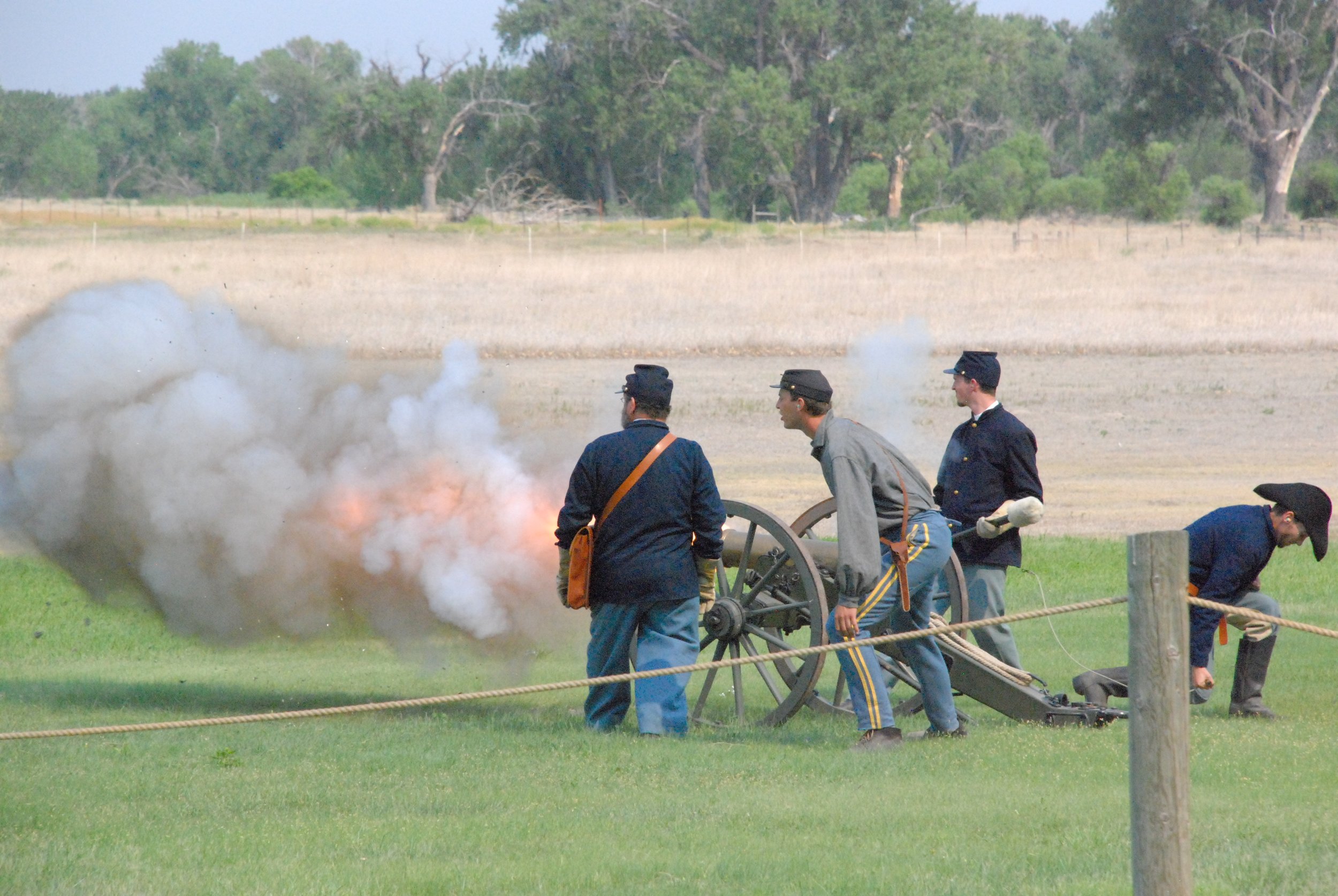
A Crossroads of Cultures and Conflict
Step onto the grounds of Fort Laramie and you are standing at the epicenter of nineteenth-century American westward expansion. What began as a modest log-walled fur-trading post in the 1830s quickly evolved into a massive United States Army headquarters and a vital lifeline for thousands of emigrants braving the overland trails. This self-guided walking tour invites you to explore the layered history of the "Grand Old Post," a natural corridor where the paths of Indigenous nations, weary pioneers, soldiers, and prospectors inevitably collided.
Echoes of the Grand Old Post
As you navigate the open river landscape, preserved buildings, and quiet ruins, you will uncover the deeply personal stories of the people who lived, worked, and traded here. Beyond the military drills and cavalry campaigns, Fort Laramie was a vibrant, complex community of officers' families, civilian merchants, laundresses, and travelers seeking refuge, letters from home, or medical care. You will walk past Old Bedlam—the oldest standing military structure in Wyoming—and get a glimpse into the dances, dinners, and daily struggles that once filled its halls.
Broken Promises on the Plains
The fort’s legacy is inextricably tied to the transformation of the American West and its devastating impact on Native homelands. We will guide you through the mounting tensions and complex diplomacy that defined the era, from the massive 1851 gathering at nearby Horse Creek to the pivotal 1868 Treaty of Fort Laramie. Discover how the relentless push for natural resources, the depletion of bison herds, and the opening of new trails ignited fierce resistance from Lakota, Northern Cheyenne, and Northern Arapaho leaders—and how the consequences of these treaties remain living issues today.
Preserving the Frontier
When the transcontinental railroad finally bypassed the Platte River corridor, Fort Laramie’s military importance faded, leading to its auction and abandonment in 1890. Yet, thanks to resourceful local families who repurposed the buildings and later federal preservation efforts, the spirit of this legendary outpost survived. Today, exploring its restored barracks, guardhouses, and archaeological remains offers an immersive, unforgettable window into a defining chapter of American history where exchange gave way to migration, and diplomacy was overshadowed by conflict.
Tour Highlights
Old Bedlam & The Parade Ground: Marvel at the oldest standing military structure in Wyoming and visualize daily life in the bustling center of the fort
The Post Trader’s Store & Barracks: Step into the commercial and domestic realities of the enlisted men, civilians, and emigrants who relied on this resupply point
The Treaty Stories: Understand the monumental scope of the 1851 and 1868 Fort Laramie Treaties, including Red Cloud's War and the establishment of the Great Sioux Reservation
The Grattan Fight: Learn how a dispute over a stray cow ignited a devastating military confrontation, illustrating the intense underlying tensions of the era
Communication Crossroads: Hear how the fort served as a crucial hub for stagecoaches, the transcontinental telegraph, and the brief but legendary run of the Pony Express
How a Drives & Detours Tour Works
Location-Aware Audio: The app uses your device's GPS to automatically trigger stories, directions, and historical insights exactly when and where you need them
Go at Your Own Pace: There’s no rushing to keep up with a group. Pause the audio to explore a ruin, take photographs, or read a plaque, and resume whenever you are ready
Fully Downloadable: Download the tour over Wi-Fi before you arrive. The app works entirely offline, ensuring you never lose your guide in areas with spotty cellular service
Yours Forever: Once purchased, the tour remains in your library permanently. Revisit the stories anytime or take the tour again on your next visit
What You’ll See on Your Fort Laramie Walking Tour
Fort Laramie National Historic Site Visitor Center
Step back in time at this former military commissary that now welcomes modern explorers to Fort Laramie. Here you'll uncover incredible artifacts and interactive exhibits that set the perfect stage for your journey through the American West.
The 30-Second History: Built in 1884 as a lime-concrete food warehouse for the army, it now serves as the park's visitor center and administrative hub.
- Location: Fort Laramie National Historic Site, Wyoming
- Time Needed: 30 minutes
- Accessibility: Fully wheelchair accessible
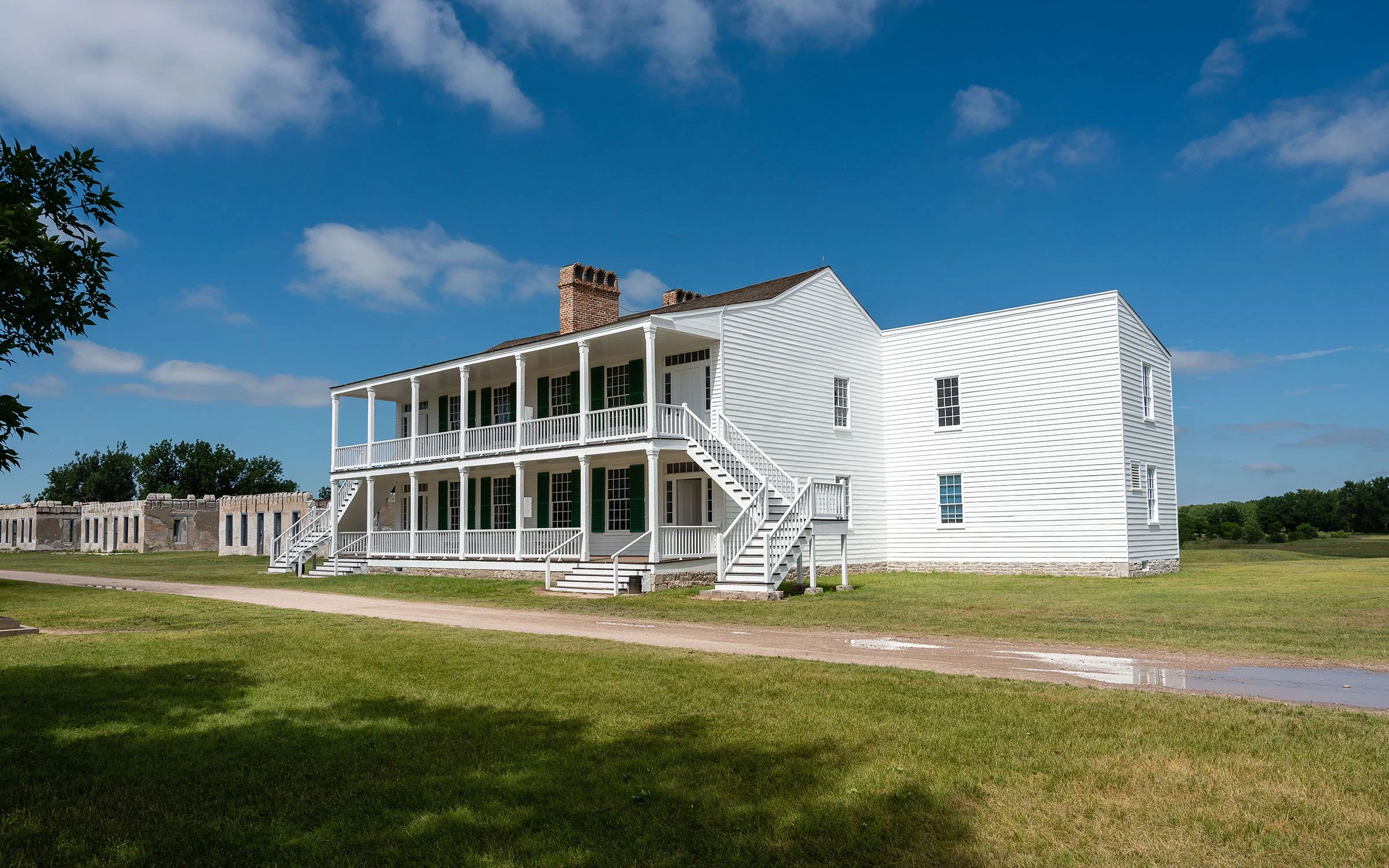
Old Bedlam (1849)
Step inside Wyoming's oldest documented building, a two-story structure that once hosted bachelor officers and echoed with boisterous frontier social life. From acting as a military headquarters to serving as the backdrop for famous cavalry rides, its creaky floorboards hold the secrets of the most pivotal moments in the Plains Indian Wars.
The 30-Second History: Constructed in 1849 for bachelor officers, "Old Bedlam" later became the post headquarters where key military campaigns were strategized.
- Location: Fort Laramie National Historic Site, Wyoming
- Time Needed: 15 minutes
- Accessibility: Ground floor is accessible; upper floor requires stairs
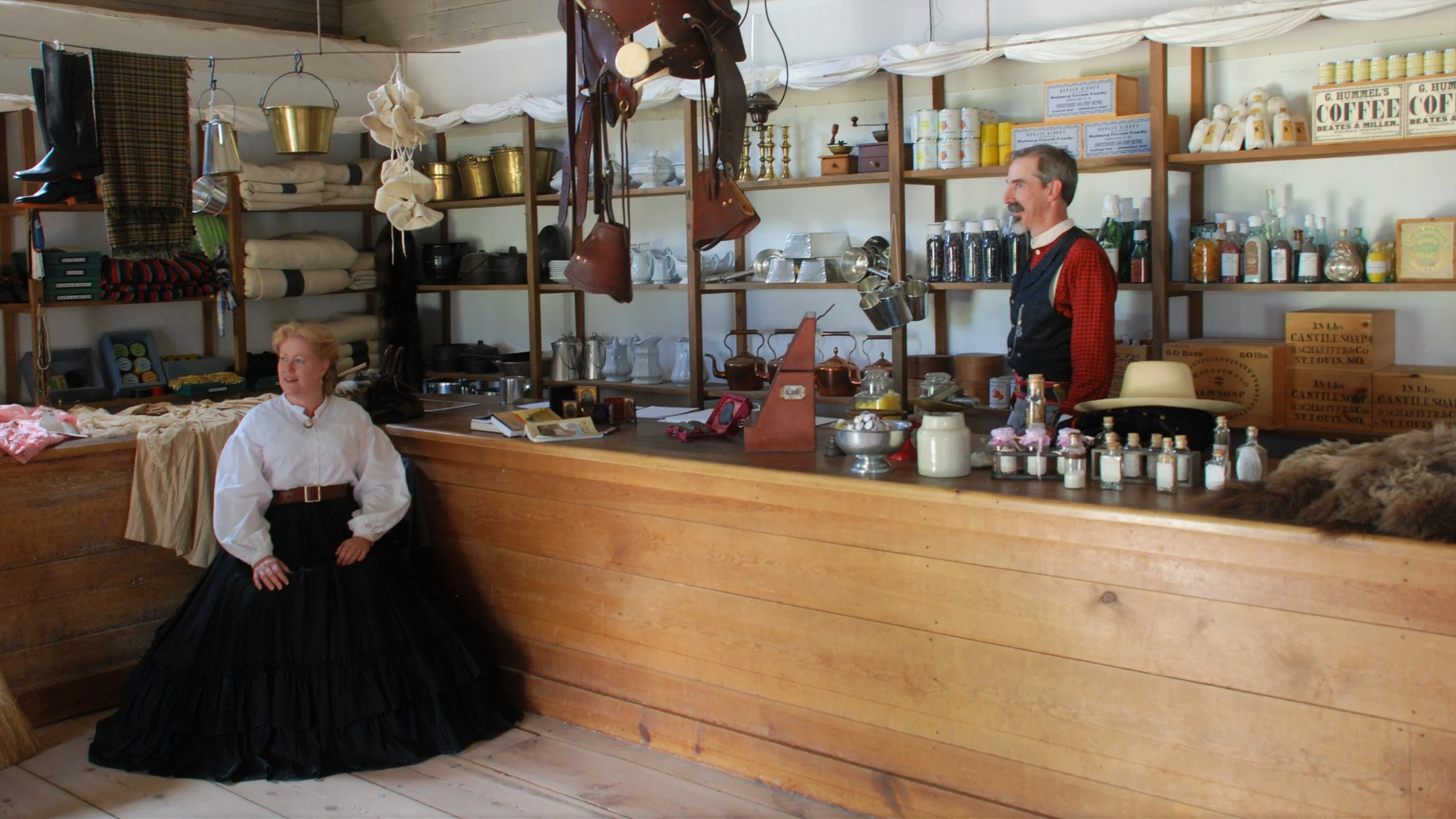
Post Trader’s Store and Soldiers’ Bar
Imagine the clinking of glasses and the exchange of trail tales in the fort's most popular social hub. This historic complex offered everything from essential provisions to a lively saloon where soldiers, pioneers, and Native Americans briefly put aside their differences.
The 30-Second History: Evolving from a single adobe store in 1849, this complex expanded over decades to include a general store, a post office, and a lime-concrete soldiers' bar added in 1883.
- Location: Fort Laramie National Historic Site, Wyoming
- Time Needed: 15 minutes
- Accessibility: Wheelchair accessible on the ground level
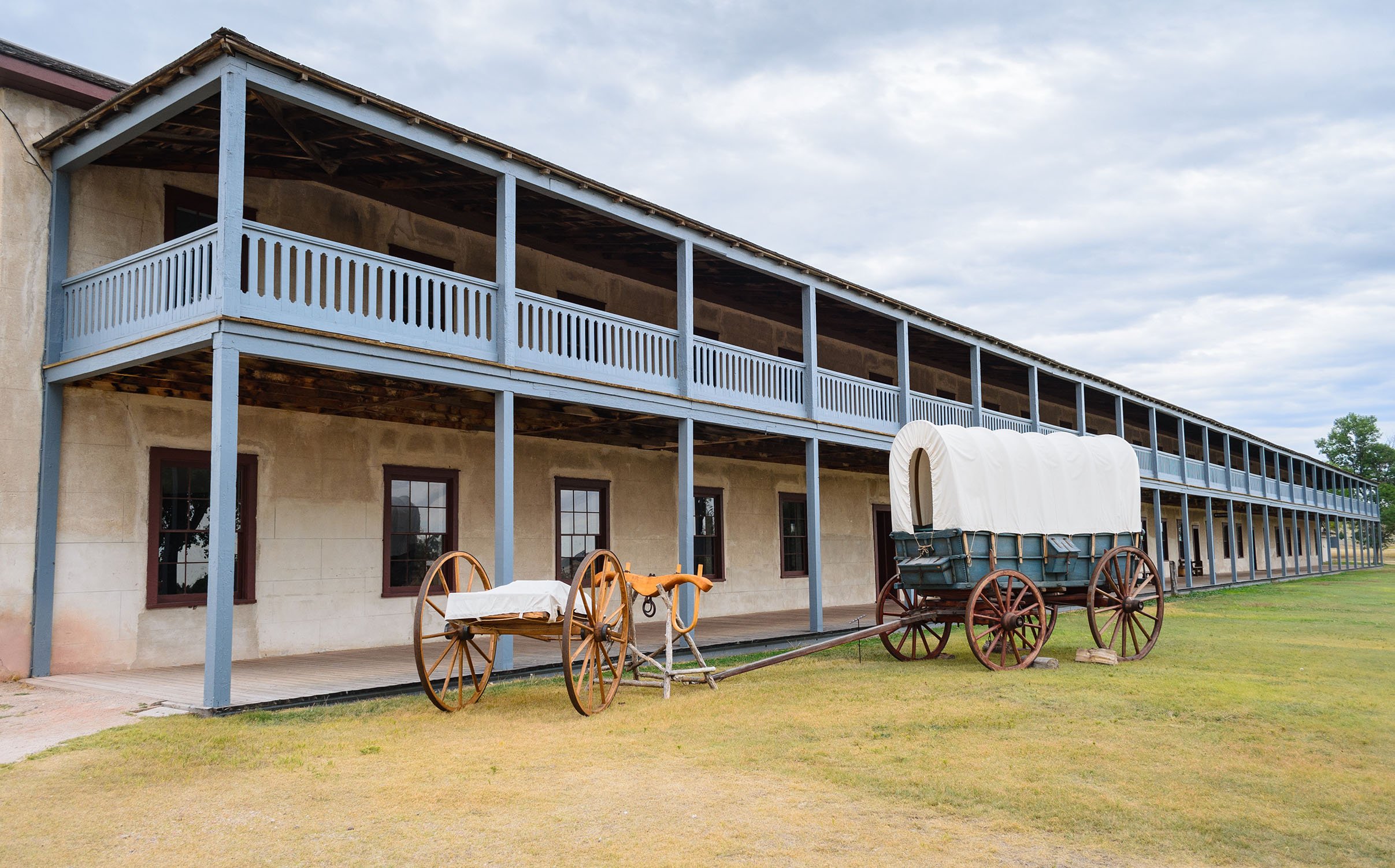
Cavalry Barracks (1874)
See exactly how frontier troops lived in this impeccably restored, two-story barrack that once housed 120 cavalrymen. Between the neat rows of iron bunks and the bustling mess hall, you can almost hear the bugle calls of the late 19th-century army.
The 30-Second History: Erected in 1874, this expansive structure provided living quarters, a kitchen, a mess hall, and washrooms for two full companies of cavalry troops.
- Location: Fort Laramie National Historic Site, Wyoming
- Time Needed: 20 minutes
- Accessibility: Ground floor is wheelchair accessible
The spectacular scenery of Fort Laramie is matched by its incredible history
Captain's Quarters (1870)
Marvel at the comfortable, Victorian-era furnishings that brought a surprising touch of East Coast refinement to the rugged Wyoming frontier. Originally meant for the commanding officer, this large duplex offers a fascinating glimpse into the domestic lives of company-grade officers and their families.
The 30-Second History: Built in 1870, this spacious frame house was initially planned for the fort's commander before being divided into a duplex to house multiple officers.
- Location: Fort Laramie National Historic Site, Wyoming
- Time Needed: 15 minutes
- Accessibility: Accessible via paved pathways and ramps
Post Surgeon’s Quarters (1875)
Discover the home of the fort's most crucial medical figure, where frontier medicine met Victorian domesticity. The elegantly furnished rooms stand in stark contrast to the harsh realities of treating battle wounds and trail diseases just next door.
The 30-Second History: Built in 1875 during the fort's structural expansion, this concrete home provided a refined refuge for the chief medical officer stationed on the frontier.
- Location: Fort Laramie National Historic Site, Wyoming
- Time Needed: 15 minutes
- Accessibility: Accessible via level paved pathways
Lt. Colonel’s Quarters (Burt House) 1884
Admire the solid, lime-grout concrete architecture of this stately home built for Lieutenant Colonel Andrew Sheridan Burt. Its beautifully restored late-1880s appearance perfectly captures the transition of Fort Laramie from a rough outpost to a well-established military neighborhood.
The 30-Second History: Constructed in 1884 as an architectural experiment using lime-grout concrete, this house served as a comfortable residence for senior officers.
- Location: Fort Laramie National Historic Site, Wyoming
- Time Needed: 15 minutes
- Accessibility: Accessible via paved paths
Old Guardhouse (1866)
Peer into the dimly lit confinement cells of this stone fortress, where misbehaving soldiers and outlaws faced the grim reality of military justice. Without heat, light, or furniture, the solitary confinement area offers a chilling reminder of frontier discipline.
The 30-Second History: Built in 1866, this stone structure was the fort's second guardhouse, designed to hold 40 prisoners but often overcrowded under harsh conditions.
- Location: Fort Laramie National Historic Site, Wyoming
- Time Needed: 10 minutes
- Accessibility: Wheelchair accessible
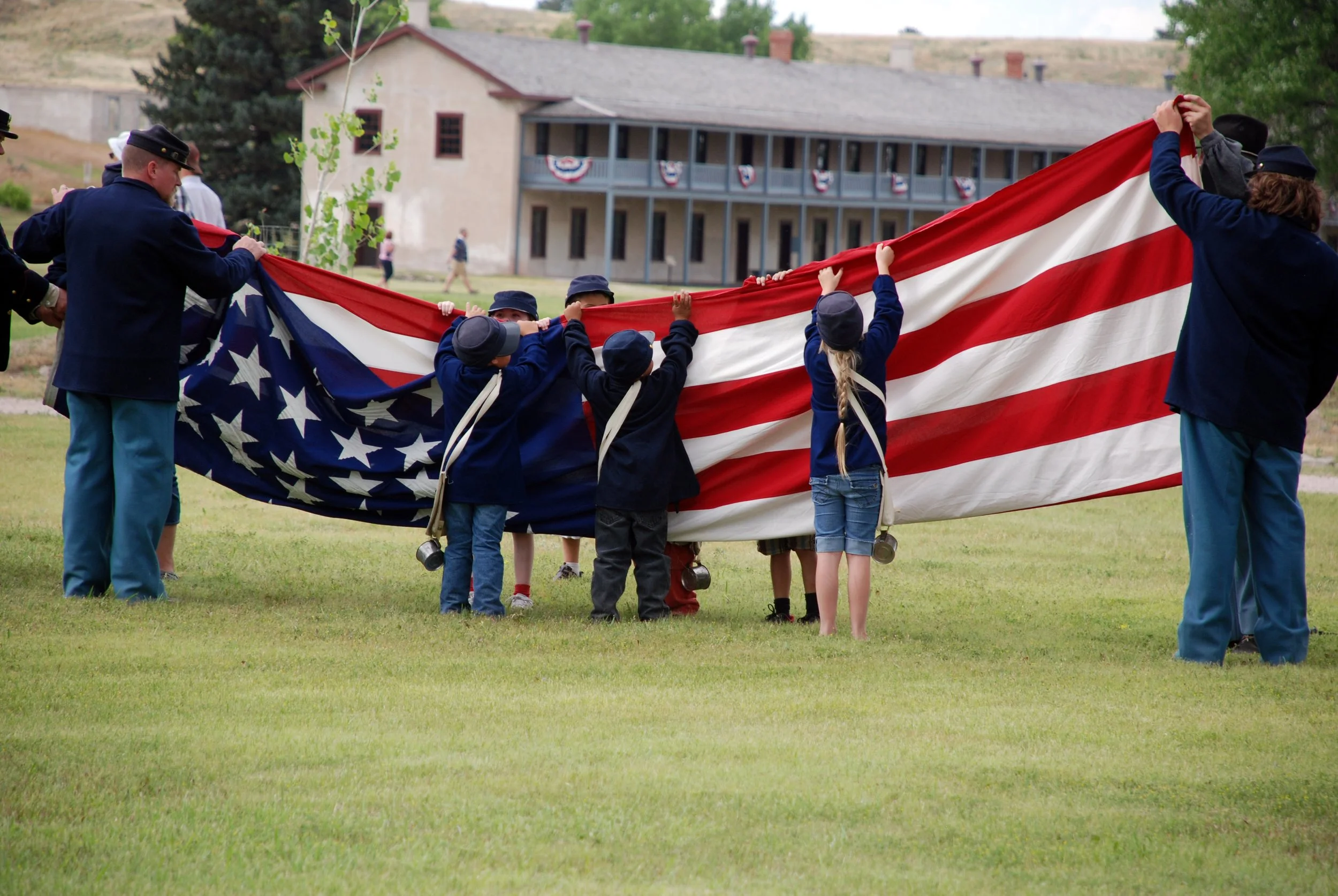
A self-guided tour is the perfect way to discover the history and beauty of Fort Laramie
Fort Laramie is inextricably tied to the transformation and legacy of the American West
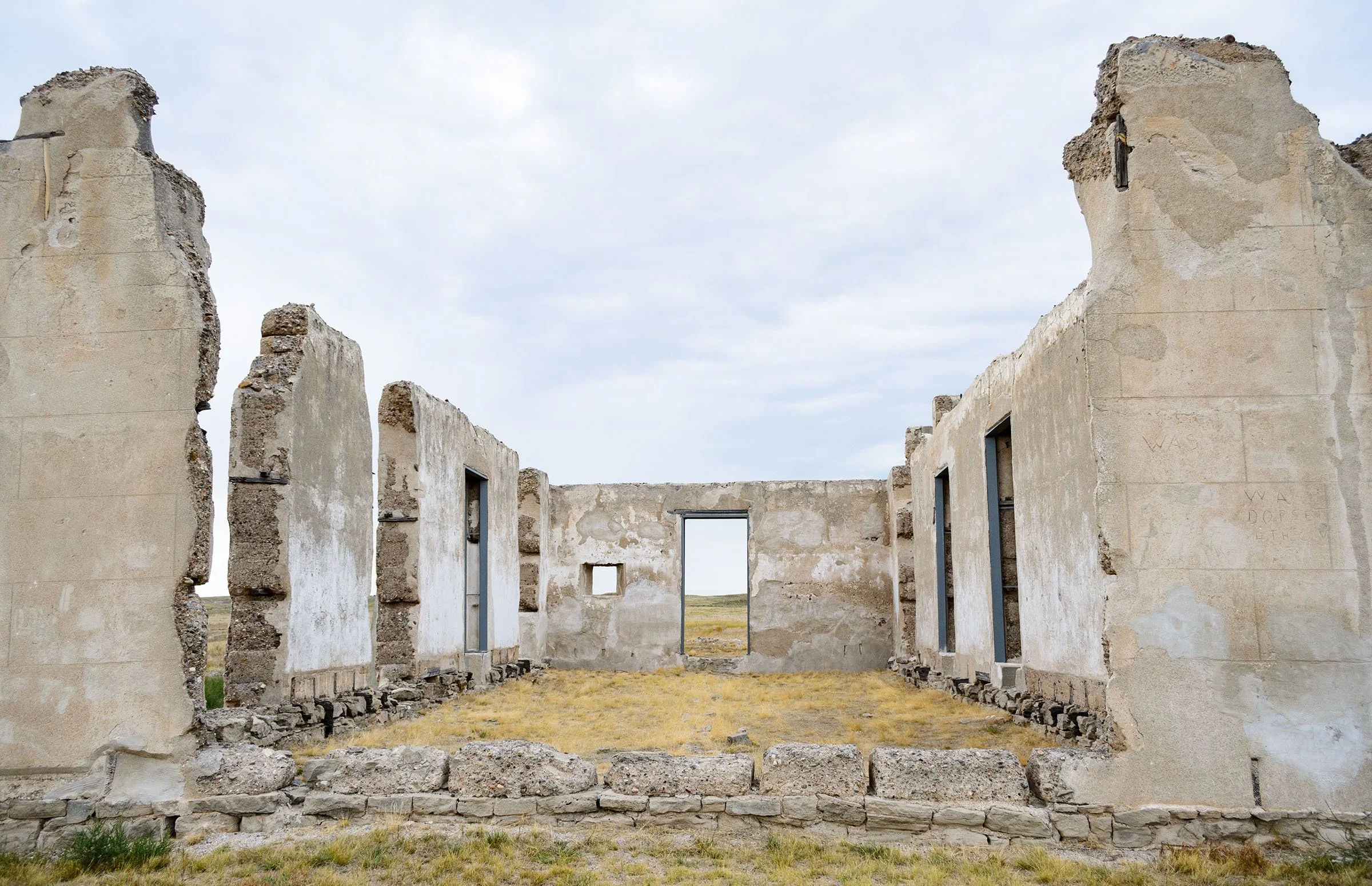
Hospital Ruins (1873)
Wander through the striking remnants of the military’s first lime-concrete hospital, a bold architectural experiment on the plains. Even in ruin, the standing walls proudly outline the 12-bed ward, kitchen, and dispensary where frontier surgeons fought to save lives.
The 30-Second History: Begun in 1873, this innovative lime-concrete facility was a pioneering effort in military architecture but eventually fell into ruin after the fort's abandonment.
- Location: Fort Laramie National Historic Site, Wyoming
- Time Needed: 10 minutes
- Accessibility: Mostly accessible via flat grass and packed dirt
Burial of Mni Akuwin (1866)
Pay your respects at the poignant memorial site of Mni Akuwin, the beloved daughter of Brulé Lakota Chief Spotted Tail. Her emotional 1866 funeral—attended by both U.S. soldiers and Native Americans—temporarily united warring cultures in shared grief.
The 30-Second History: Mni Akuwin, a young Lakota woman who favored peace with the military, died at 17 and was given a joint military and Native American scaffold burial at the fort in 1866.
- Location: Fort Laramie National Historic Site, Wyoming
- Time Needed: 10 minutes
- Accessibility: Fully accessible via flat terrain
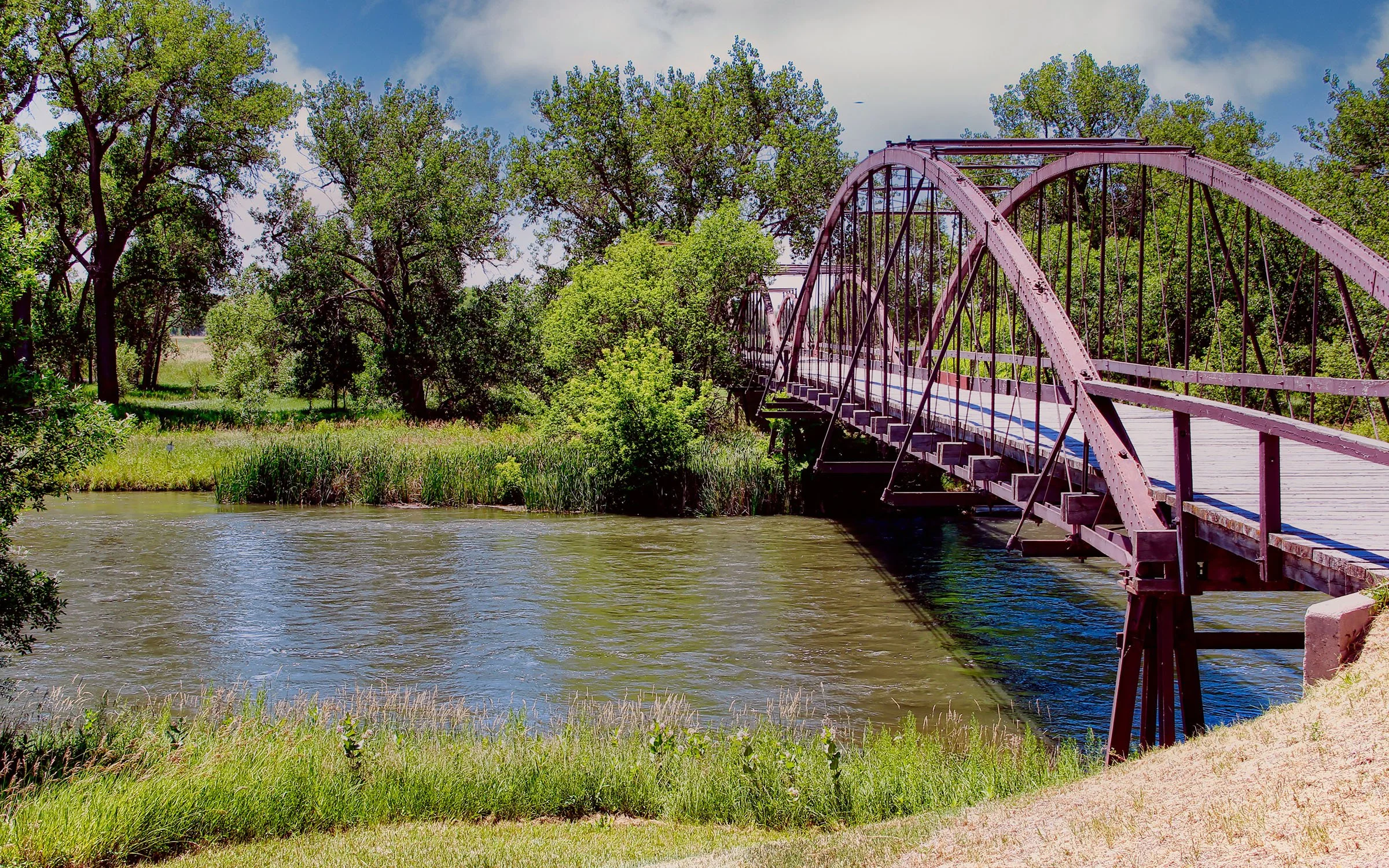
Old Army Bridge
Stand at the historic crossing over the North Platte River that once connected Cheyenne with the goldfields of the Black Hills. Built to sustain heavy wagon traffic and military patrols, this 1875 iron bridge is a silent witness to the frenzy of the American Gold Rush.
The 30-Second History: Erected in 1875, this crucial bridge improved access across the North Platte River for troops, prospectors, and stagecoaches heading to the Dakota territory.
- Location: North end of the fort complex on State Highway 160, Wyoming
- Time Needed: 15 minutes
- Accessibility: Wheelchair accessible
Parade Ground and Infantry Barracks Foundations
Survey the vast, open grounds where soldiers once drilled, mounted guards, and held elaborate ceremonies under the vast Wyoming sky. The surrounding stone foundations of the 1867 infantry barracks paint a vivid picture of the sheer scale of this bustling frontier garrison.
The 30-Second History: The central parade field was the heart of military operations, flanked by long adobe barracks that housed hundreds of infantrymen starting in 1867.
- Location: Fort Laramie National Historic Site, Wyoming
- Time Needed: 15 minutes
- Accessibility: Flat, packed gravel and grass terrain
Meeting Point
Your Fort Laramie walking tour begins at the Fort Laramie National Historic Site Visitor Center.
Head west from the town of Fort Laramie to find the National Historic Site. This is about a three-mile drive along WY-160, and it is well signposted on your left.
FAQs About Our Fort Laramie Audio Walking Tour
-
Tours are fully refundable up to 24 hours in advance.
If it’s within 24 hours or you had an issue during your tour, email support@drivesanddetours.com. We review all requests individually and will always do our best to make things right.
Our goal is to ensure every traveler has a great experience exploring with Drives & Detours.
-
You will walk for about 1 mile (1.6 kilometers) across the Fort Laramie historic site on our walking tour. Most stops are only a short walk apart, creating an easygoing walk that finishes at Mni Akuwin’s burial site.
-
Yes, downloading the Drives & Detours app will give you full access to the tour you have purchased, as well as many other self-guided tours.
-
Download the tour before you go. Some areas have poor signal, which can make downloading the tour difficult. Once the tour is downloaded, it will work without any cell signal
The tour audio plays automatically as you approach each stop
Want to see more? Tap “View Stop” to see photos and bonus content
To return to the map, tap the small down arrow between the “previous” and “next” buttons
Follow the blue line and audio directions to stay on route
Use audio controls to pause, rewind, or skip—just like a podcast
Safety first: Keep your eyes on the road or sidewalk, follow traffic laws, and stay aware of your surroundings
-
No—download your Fort Laramie tour before you go, and you won't need a cell signal. Drives & Detours’ tours work without any cell signal once they are downloaded to your device.
-
Once you have purchased your Fort Laramie walking tour from Drives & Detours, you can use it whenever you want. You can always take the tour another day if the weather is bad on the day you plan to take it.
-
Unfortunately, Drives & Detours cannot guarantee that the Fort Laramie self-guided tour is accessible. People with wheelchairs, strollers, or mobility impairments are very welcome, but we recommend checking the National Park Service website for detailed information.
Pro Tips for Your Drives & Detours Fort Laramie Self-Guided Tour
Download before you go.
Enable location services—GPS triggers the audio.
Use earbuds, headphones, or your car speakers.
Pause and resume anytime. If you take a break, just reopen the app and head back toward your last stop.
Lost your way? Tap any pin on the map, then tap the right-turn-arrow icon to open your default maps app for turn-by-turn directions to that spot.
Drives & Detours' Nearby(ish) Tours
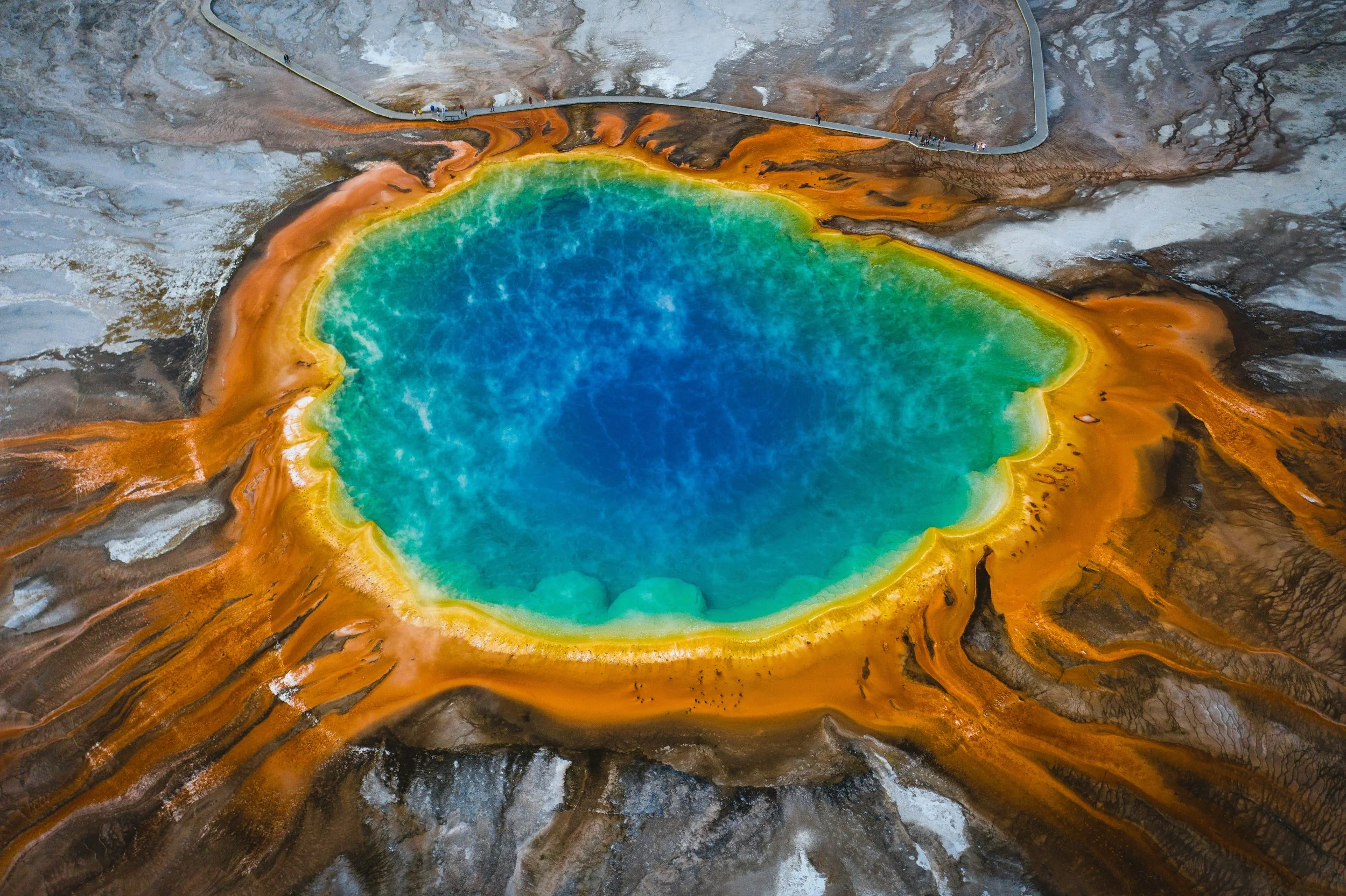


Yellowstone Grand Loop Drive
Discover Yellowstone’s geysers, canyons, and wildlife at your own pace on this self-guided Grand Loop driving tour. GPS-triggered audio brings each landmark to life with stories of fire, ice, and history—plus insider tips on where to stop and what to safely skip. From Old Faithful to Hayden Valley, explore the park’s most iconic sights without missing a thing.
Discover Denver’s Historic Lower Downtown (LoDo)
Step into Denver’s history with our self-guided LoDo walking tour. Explore the city’s founding at the confluence of rivers, its gold rush boom, and the preserved landmarks that remain today. With rich audio narration, you’ll uncover how this historic neighborhood continues to shape Denver’s identity.
Chicago Loop Self-Guided Audio Walking Tour
The Loop is the vibrant center of Chicago where soaring architecture, legendary art, and centuries of history come together. From the Willis Tower and the Art Institute to Cloud Gate and the Chicago River, every block tells a story of ambition and reinvention. Explore the city’s architectural icons, public plazas, and hidden corners with GPS-activated audio on this self-guided walking tour.
Discover More Drives & Detours