The First-Timer's Guide to Portland, Maine: Exploring the Old Port at Your Own Pace
Discover Portland, Maine, Like a Local
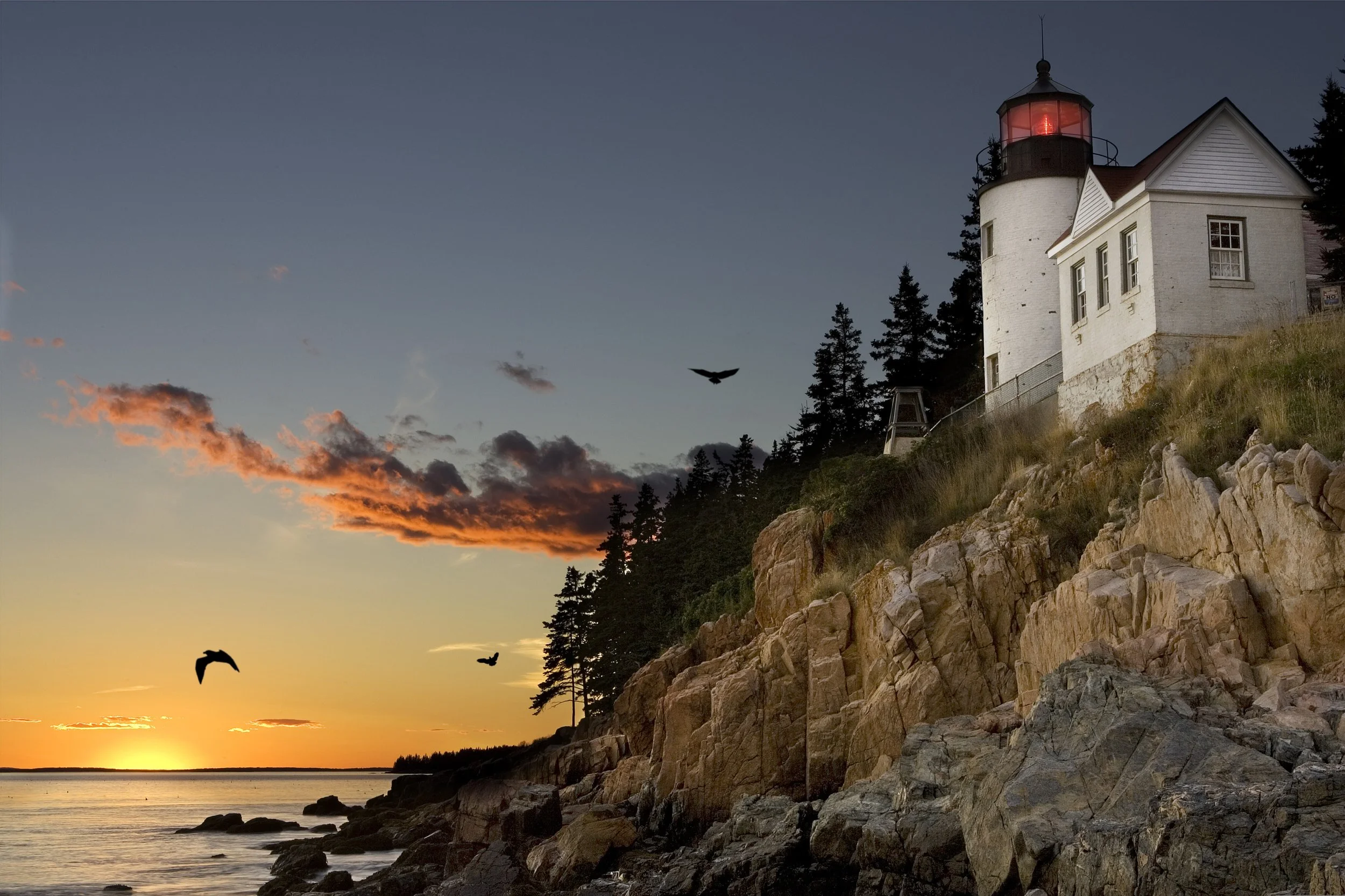
Explore Maine’s most vibrant seaside city with Drives & Detours — Franky From Germany / Pixabay
There is something unmistakably magnetic about Portland, Maine. When you set foot on the historic waterfront, the scent of saltwater and fresh pine mixes with the rich aroma of roasting coffee and buttery seafood. But if you’re only following the flashing umbrella of a massive tour group, rushing from one crowded gift shop to the next, you’re missing the heartbeat of what makes this coastal city extraordinary.
At Drives & Detours, we believe travel should happen on your terms. No rigid schedules, no chasing a stranger through a sea of tourists, and no being herded onto a bus before you’ve had time to really soak in a view. Whether you want to spend twenty minutes admiring the intricate brickwork of a 19th-century warehouse or linger over an extra cup of coffee by Casco Bay, Portland rewards the curious, independent traveler.
If you are planning your first trip to Maine’s most vibrant seaside city, pull up a chair. We’re sharing the insider tips, weather quirks, and hidden stories that will make your visit unforgettable.
Whispers of Granite and Tide: Discovering Old Port Beyond the Tourist Trail
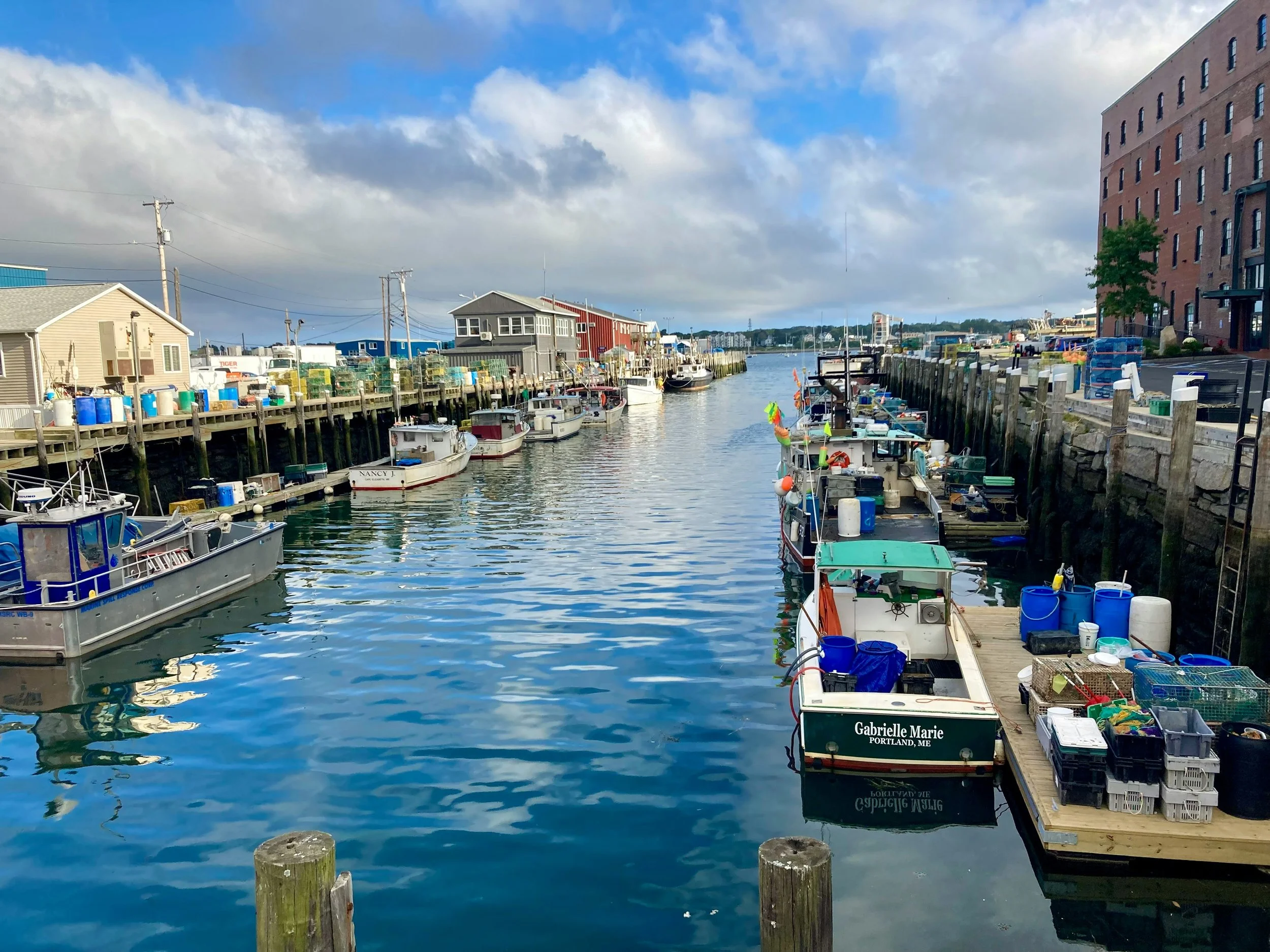
Portland’s waterfront is an evolving narrative where historical resilience meets the rhythms of a working harbor. For independent travelers who prefer setting their own pace over following a tour flag, the Old Port offers deep layers of history, architecture, and seafaring culture tucked just past the souvenir shops.
Cobblestone Heritage: Worn stone streets like Moulton and Wharf reflect 19th-century trade routes where sailors, merchants, and abolitionists once gathered
Resilience from Fire: Striking brick facades across blocks like the Thompson Block serve as monuments to the city’s massive post-1866 Great Fire reconstruction
Civil Rights Roots: Pivotal stops along the Portland Freedom Trail, including Mariner’s Church and the Friends Meeting House, highlight early abolitionist organizing and Black entrepreneurship
Living Waterfront: Commercial Street and surrounding piers balance vibrant seafood culture with an active, hard-working fishing fleet
Maritime Architecture: Imposing mid-19th-century granite landmarks like the United States Custom House showcase Portland’s historical role in international trade
Harbor Gateways: Historic towers like the 1807 Portland Observatory and busy ferry hubs like Casco Bay Lines connect the city to the surrounding waters
Pocket Sanctuaries: Peaceful green spots like Post Office Park and Tommy’s Park provide quiet reprieves amidst the bustling downtown grid
Mastering Portland’s Microclimates: Dressing for the Coast

Portland sits right on Casco Bay with its own microclimate — Mercedes Mehling / Unsplash
First-time visitors often make the mistake of packing for mainland Maine weather and forgetting that the ocean has its own rules. Portland sits right on Casco Bay, which means the coast has a personality—and a microclimate—all its own.
The Sea Breeze Chill: Even on a glorious 75-degree July afternoon, a sudden coastal breeze rolling off the bay can drop the perceived temperature by ten degrees in a matter of minutes. Always pack an extra layer, even in the dead of summer
The Morning Fog: Classic Maine fog can roll in overnight, blanketing the working piers in a cinematic, moody haze. Don’t let it discourage you! The fog usually burns off by midday, and walking the cobblestones through the mist offers some of the most atmospheric photography opportunities of your trip
Rain Readiness: Summer rain showers can pop up with little warning. Instead of letting a drizzle ruin your day, a waterproof jacket means you can keep right on exploring without ducking into an overpriced souvenir shop to wait it out
Navigating the Old Port: Cobblestones and Comfortable Shoes
Comfortable shoes are very important becuase the streets can be unforgiving — Jeana Bala / Unsplash
The historic Old Port district is famous for its narrow, nineteenth-century streets paved with weathered cobblestones. While they are gorgeous to look at and steeped in maritime history, they are notoriously unforgiving to the unprepared walker.
Leave the Heels Behind: This is not the place for fashion over function. Supportive walking shoes or sturdy sneakers are an absolute must. The uneven stones will test ankles that aren't properly cushioned
Embrace the Freedom of Walking: The best parts of the Old Port cannot be reached by a tour bus. Narrow lanes like Moulton Street and hidden courtyards demand a pedestrian approach. When you wander on foot, you can duck down an alleyway just because something caught your eye—a luxury you lose when you're chained to someone else's itinerary
What First-Timers Often Overlook: Deep History Beneath the Surface
Portland begs to be explored at a lingering pace that uncovers its rich history — Rackeem Borges / Unsplash
It’s easy to treat the Old Port as a playground for dining and shopping, but beneath the lively modern storefronts lies a rich, layered history of resilience, maritime commerce, and social reform.
The Rebuilding After the Fire: Much of the architecture you see today—like the stunning brickwork on the Thompson Block—exists because the city had to rise from the ashes following the devastating Great Fire of 1866. When you look closely at the facades, you are seeing a monument to Portland's fierce endurance
The Portland Freedom Trail: Many visitors miss the vital abolitionist and civil rights history woven directly into the city's streetscape. Sites like Mariner’s Church and the historic Secondhand Clothing Store of Lloyd Scott tell a powerful story of African American entrepreneurship and abolitionist organizing
Quiet Pocket Parks: Amidst the bustling waterfront, spots like Post Office Park and Tommy’s Park offer shaded benches, local art, and a quiet moment to breathe. These are the places where locals actually sit, read, and catch up with friends
Local Etiquette and Customs: Blending In Like a Mainer
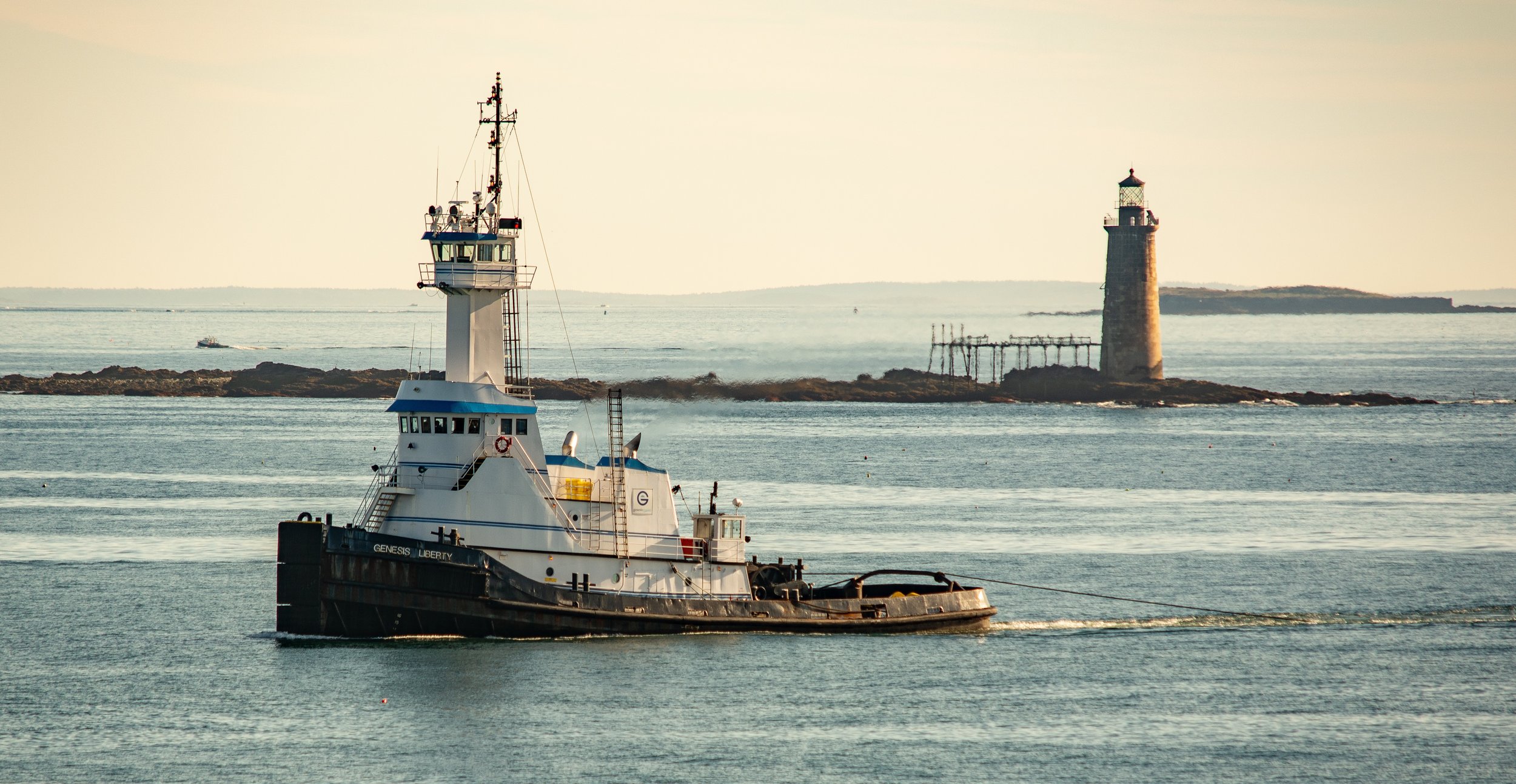
Mainers are famously warm and fiercely proud of their communities — William Hayes / Pixabay
Mainers are famously warm, welcoming, and fiercely proud of their communities. Understanding a few unspoken local customs will go a long way during your stay:
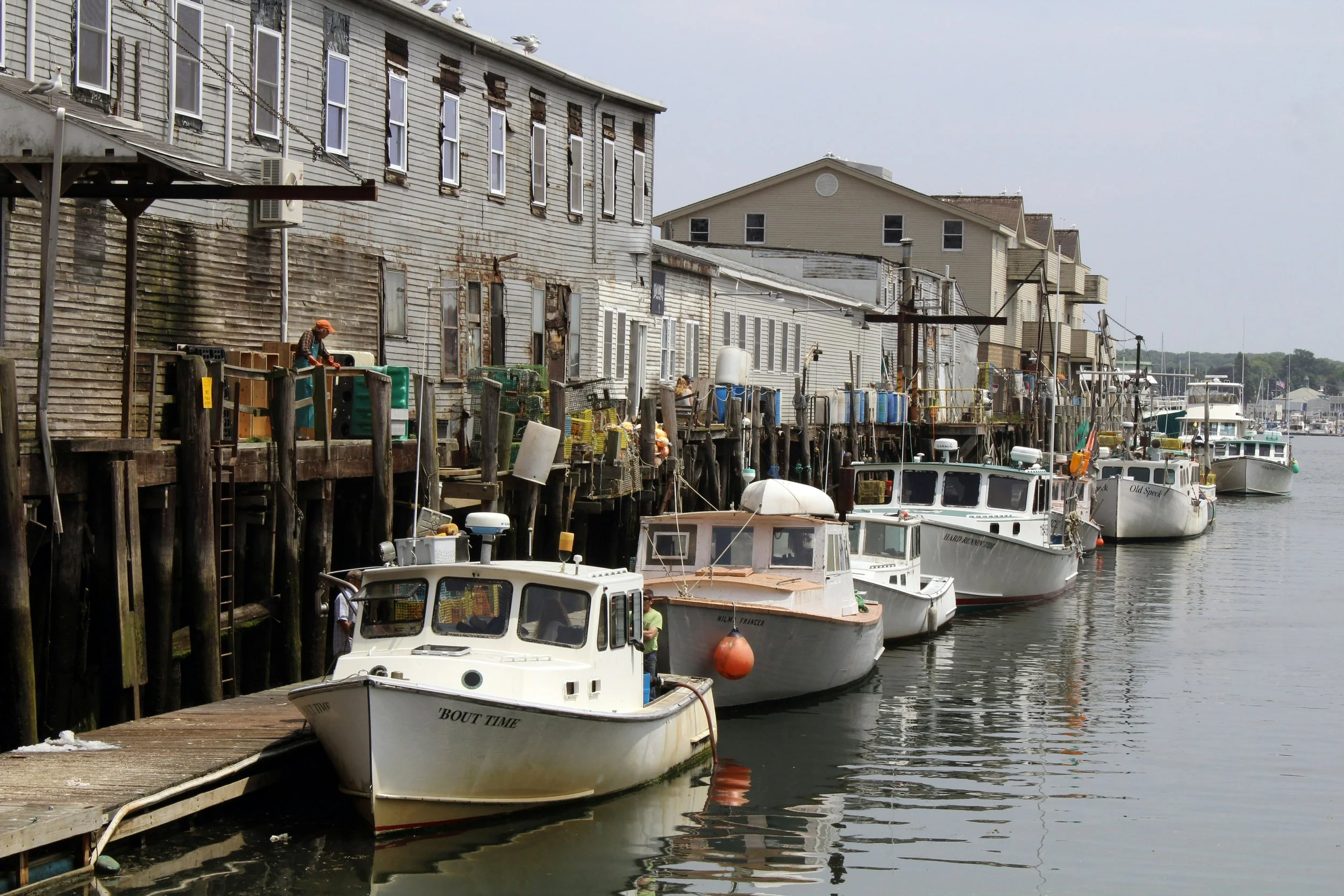
Respect the Working Waterfront: Commercial Street and the nearby piers aren't just scenic backdrops—they are active workplaces. Give lobstermen space as they unload traps, haul catch, and mend gear. A polite nod and respect for their workspace is always appreciated
Skip the National Chains: Portland’s culinary and retail scene is a powerhouse of independent creators, family-run bakeries, and local craft breweries. Whenever possible, support the mom-and-pop storefronts. That’s where the real local flavor lives
Pacing is Everything: Life moves at a coastal pace here. Don't rush your interactions. A friendly chat with a shopkeeper or a ferry captain will often net you the best hidden-gem recommendations in town
Explore Portland at Your Own Pace with Drives & Detours
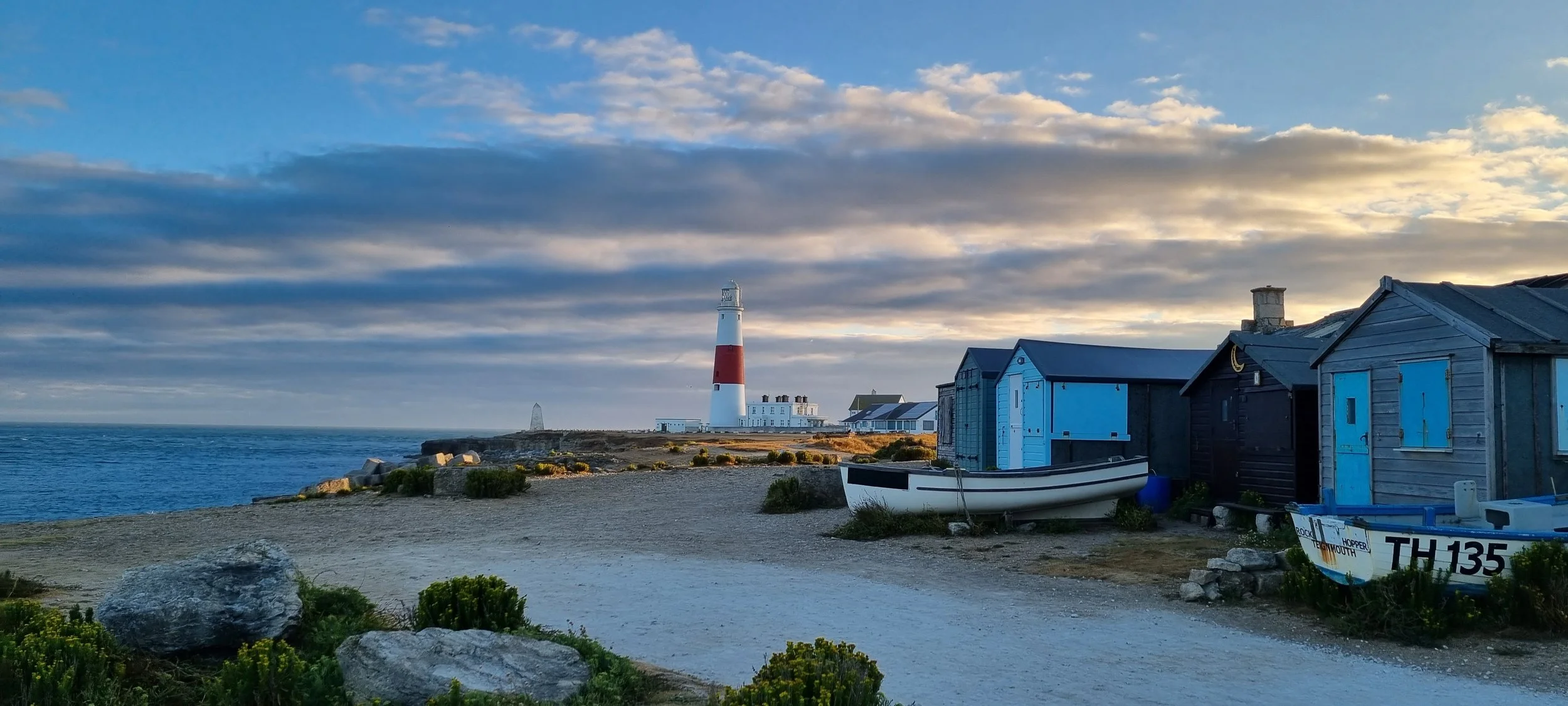
Discover Portland at your own pace with Drives & Detours — Claire Gowson / Pixabay
Why squeeze yourself into a crowded bus or rush to keep up with a guide holding a neon umbrella? With the Portland Old Port Audio Tour from Drives & Detours, you are the director of your own journey.
Our self-guided audio tour seamlessly blends expert storytelling, local history, and precise GPS navigation right on your smartphone. Here is how it enhances your trip:
Zero Cell Signal Worries: Download the tour before you leave your hotel, and it works entirely offline—no patchy coastal cell service can interrupt your experience
Automatic GPS Triggering: As you wander past historic landmarks like the U.S. Custom House, Moulton Street, and the bustling ferry terminals, the audio triggers naturally, acting like a knowledgeable local friend whispering fascinating stories right in your ear
Total Flexibility: Want to stop for a lobster roll at DiMillo's or browse a local bookstore for an hour? Just hit pause. Resume whenever you're ready. There are no schedules, no expiration dates, and no pressure
Portland’s story is still unfolding along the tides of Casco Bay, waiting for you to discover it on your own terms. Ready to lace up your walking shoes and experience the Old Port the right way? Book your Portland self-guided tour today and start your adventure!
Frequently Asked Questions About Exploring Portland's Old Port for the First Time
How much walking is involved in exploring the Old Port?
The primary circuit through the Old Port is roughly 1.25 miles (2 km) long. It takes about an hour and twenty minutes of actual movement, though independent travelers typically budget additional time to browse local shops, pause at working piers, or rest in public squares along the route.
What should travelers wear when walking through the district?
Sturdy, low-heeled walking shoes are strongly recommended due to the uneven 19th-century cobblestones and granite pavers. Weather along Casco Bay can shift rapidly, so carrying a light waterproof jacket or extra layer is essential, even on warm days.
What are the admission fees for the Portland Observatory?
General admission to the historic octagonal tower is $10 for adults, $8 for seniors, military personnel, and students, and $5 for children aged 6–16 (children under 6 enter for free). Portland residents receive discounted entry at $5 for adults and $3 for children.
Do travelers need continuous cellular service to explore self-guided audio routes?
No. Audio tours and map data can be fully downloaded in advance via the app, allowing GPS-triggered narration and routes to run smoothly offline without relying on coastal cell reception.
How does the local weather affect self-guided exploration?
Because self-guided schedules aren't tied to rigid booking windows or group departure times, bad weather can be easily navigated by pausing or rescheduling your walk for clearer skies or warmer afternoon sun.
Where is the typical starting point for exploring the historic waterfront?
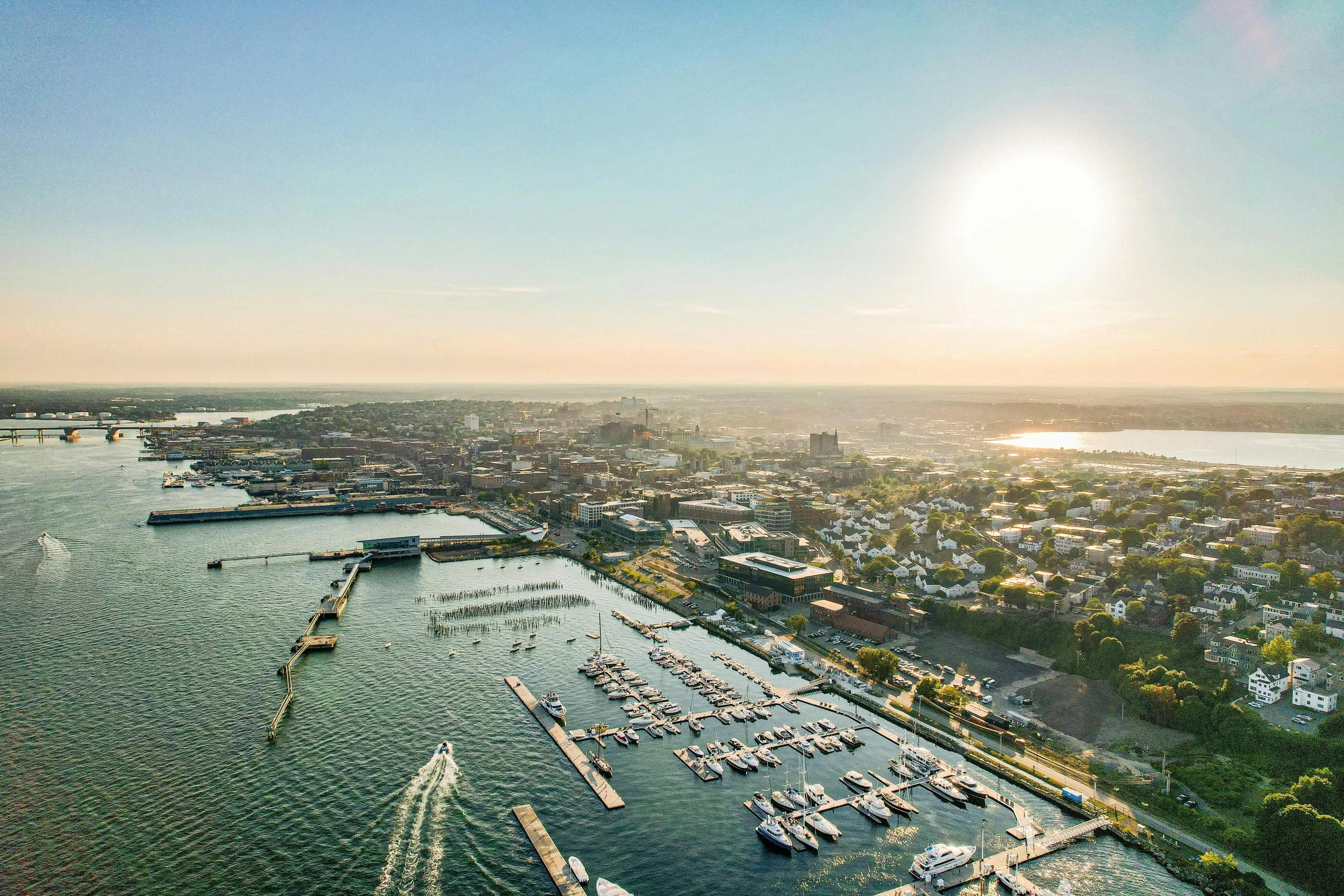
Most walks begin near Casco Bay Lines on the Maine State Pier (located at 56 Commercial Street near the junction of Franklin Street), offering immediate views of active ferry terminals and working docks.