Uncovering the Rich History of Ybor City: A Journey Through Tampa’s Cigar Capital
Explore the Immigrant Stories, Mutual Aid Societies, and Cultural Renaissance That Shaped One of Florida’s Most Unique Historical Districts, and Discover How To Experience Ybor City at Your Own Pace
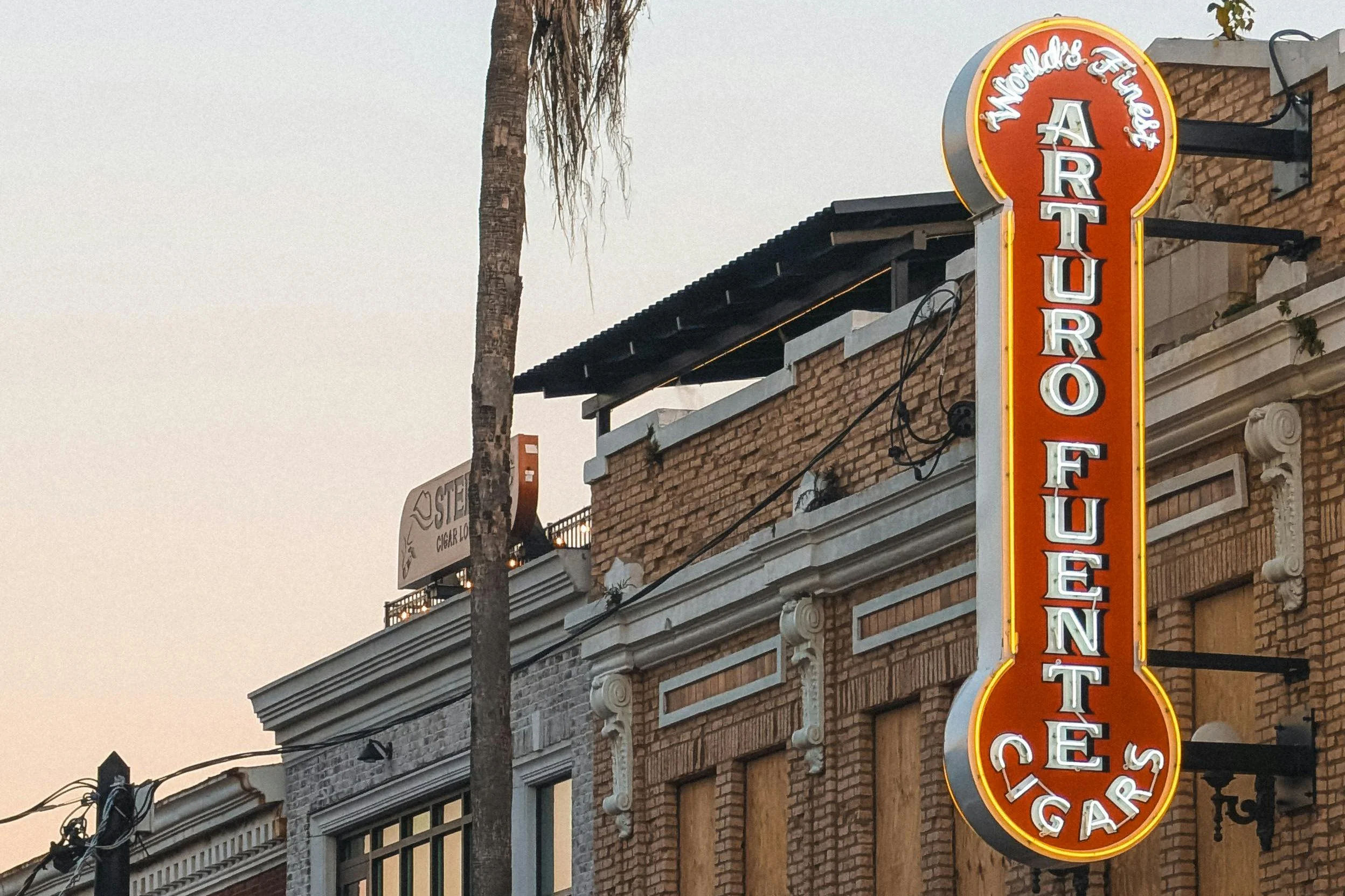
Ybor City is steeped in a history you can still smell in the roasted coffee and hand-rolled tobacco — Alexey K / Pexels
If you are looking for a sterile, cookie-cutter neighborhood, you are in the wrong place. Ybor City is raw, resilient, and steeped in a history you can still smell in the roasted coffee and hand-rolled tobacco drifting down Seventh Avenue. Located just northeast of downtown Tampa, this National Historic Landmark District is a living testament to the immigrant experience in America.
For travelers who prefer to peel back the layers of a destination without being herded onto a crowded tour bus, Ybor City is a dream. You can walk these brick-lined streets on your own schedule, pausing whenever a historic marker, a wild rooster, or a perfectly pressed Cuban sandwich catches your eye.
Before you lace up your walking shoes and download the Drives & Detours Historic Ybor City Audio Tour, let us dive deep into the fascinating story of how a humid, mosquito-ridden Florida swamp transformed into the undisputed Cigar Capital of the World.
Ybor City History at a Glance
For a quick overview of what makes this district so historically significant, here are the essential facts:
Founded: 1885 by Spanish entrepreneur Vicente Martinez-Ybor
Primary Industry: Cigar manufacturing. At its peak, the district produced hundreds of millions of hand-rolled cigars annually
Cultural Makeup: Built by a diverse coalition of Cuban, Spanish, Italian, German, and Romanian Jewish immigrants
Key Architectural Features: Red-brick cigar factories, wrought-iron balconies, narrow shotgun houses for workers, and grand mutual aid society buildings
Modern Status: Designated a National Historic Landmark District in 1990, now celebrated for its preservation, dining, and vibrant nightlife
The Vision of Vicente Martinez-Ybor
The story of Ybor City begins with a man searching for a safe haven for his business. Vicente Martinez-Ybor was a successful cigar manufacturer who originally operated in Havana, Cuba. Fleeing political turmoil and labor disputes, he moved his operations to Key West, Florida. However, Key West presented its own challenges, primarily limited land for expansion and a lack of reliable transportation to northern markets.
In the early 1880s, Ybor’s friend Gavino Gutierrez traveled to the Tampa Bay area in search of wild guavas. While the guava hunt was a failure, Gutierrez recognized the immense potential of the region. Henry Plant had recently extended his South Florida Railroad to Tampa, connecting the isolated port town to the rest of the United States.
Gutierrez convinced Ybor and his business partner, Ignacio Haya, to visit. They were sold. In 1885, Ybor purchased 40 acres of scrubland just outside the Tampa city limits. He did not just want to build a factory; he wanted to build a true company town where his workers could live, shop, and thrive. He laid out a grid of streets, built affordable housing for his employees, and enticed other cigar manufacturers to join him. Almost overnight, the swamp was cleared, and Ybor City was born.
The Golden Age: The Cigar Capital of the World
By the turn of the 20th century, Ybor City was an industrial powerhouse. The massive, multi-story brick factories were the economic engines of Tampa. Workers sat at long wooden benches, expertly rolling tobacco leaves into premium cigars.
One of the most unique aspects of these factories was the presence of the lector. Because the repetitive work of rolling cigars could be tedious, workers pooled their money to hire a lector, a charismatic reader who would sit on an elevated platform and read aloud throughout the workday. The lector read everything from local newspapers and international political updates to classic novels like Don Quixote. This practice made the cigar workers some of the most highly educated and politically engaged laborers in the country.
At its zenith in the 1920s, Ybor City housed over 200 cigar factories, employing roughly 12,000 workers who produced an astonishing 500 million cigars a year. This massive output earned Tampa its enduring moniker: the Cigar Capital of the World.
A Melting Pot of Immigrant Cultures
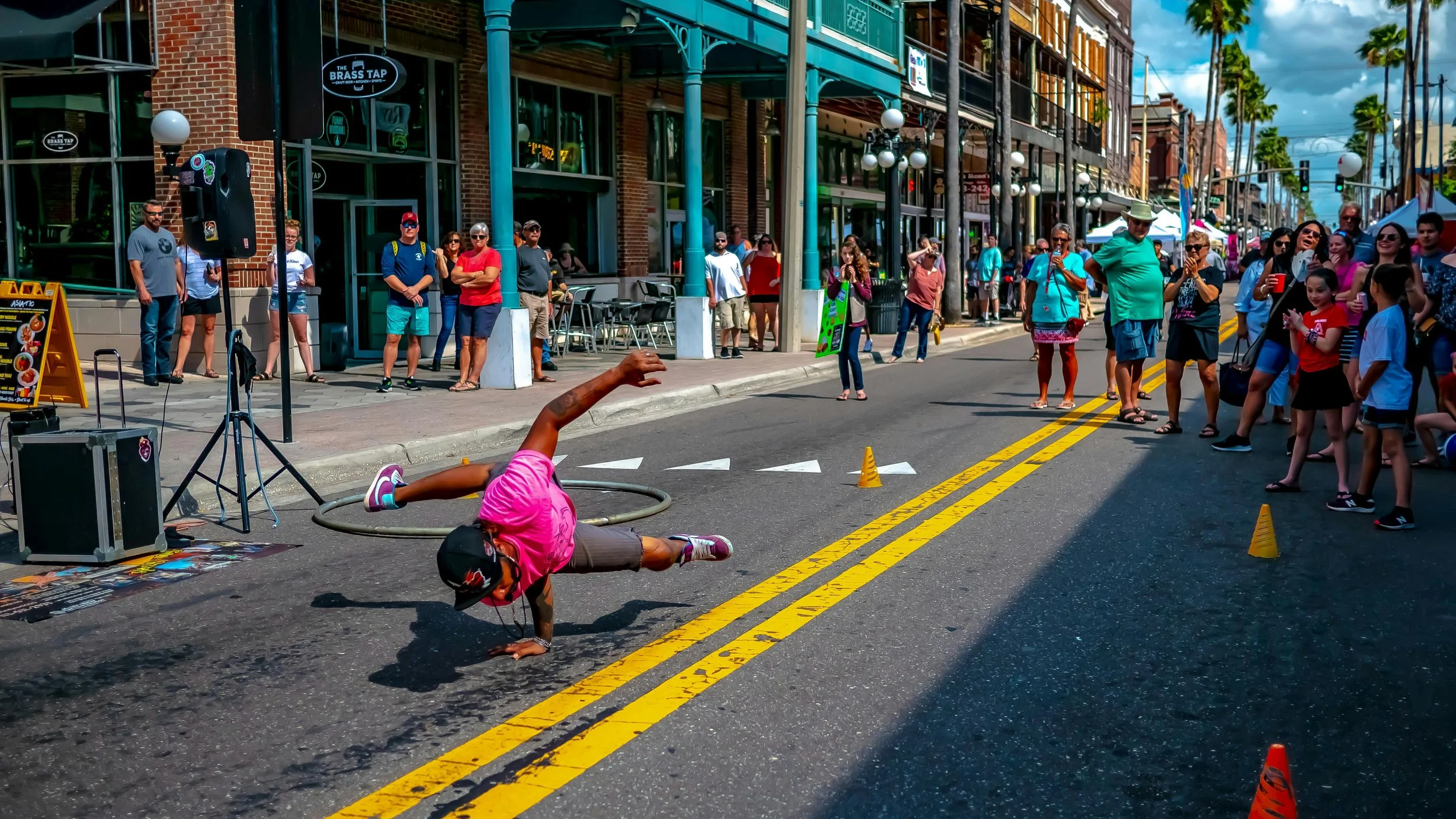
Ybor City’s culture of immigration led to a very strong sense of community — Joshua Santos / Pexels
What truly set Ybor City apart from other Southern industrial towns was its rich, multi-ethnic tapestry. The cigar industry acted as a magnet, drawing skilled workers from across the globe.
Cuban and Spanish immigrants formed the backbone of the tobacco industry. Soon, Italian immigrants, primarily from Sicily, arrived. While some worked in the factories, many Italians opened grocery stores, dairy farms, and other essential businesses to support the growing population. German immigrants contributed their expertise in creating the lithographed cigar bands and boxes, while Romanian Jewish immigrants opened prominent retail and clothing stores along Seventh Avenue, known locally as La Septima.
To support one another in a new country without a formal social safety net, these communities established mutual aid societies. Organizations like the Centro Asturiano, the Centro Español, L'Unione Italiana, and the Círculo Cubano were the lifeblood of the neighborhood.
Members paid a small weekly fee and, in return, received comprehensive medical care, access to cooperative pharmacies, and a vibrant social hub featuring grand ballrooms, cantinas, and theaters. These stunning buildings still stand today as architectural masterpieces and monuments to the power of community.
The Decline and the Challenge of Urban Renewal
The prosperity of the Golden Age could not last forever. The decline of Ybor City was brought on by a perfect storm of economic and cultural shifts.
The Great Depression of the 1930s devastated the demand for luxury items like premium hand-rolled cigars. Simultaneously, the invention of mechanized cigar-rolling machines meant that factories required far fewer workers to produce the same output. Following World War II, the popularity of cigarettes surged, further cutting into the cigar market. As jobs vanished, many residents left the cramped, aging shotgun houses of Ybor City for the newly built, spacious suburbs of greater Tampa.
The final blow came in the 1960s with the federal urban renewal program. In a misguided effort to modernize the city, bulldozers tore through Ybor City, demolishing hundreds of historic homes and businesses. Interstate 4 was constructed directly through the heart of the district, physically severing the neighborhood and displacing thousands of long-time residents. For a time, it seemed as though the unique culture of Ybor City might be lost forever.
A Modern Renaissance
Fortunately, passionate locals refused to let their heritage fade into obscurity. In the 1980s and 1990s, dedicated preservationists rallied to save the remaining historic structures. Their tireless efforts paid off when Ybor City was designated a National Historic Landmark District, providing critical protections for its unique architecture.
Today, Ybor City has experienced a vibrant renaissance. The old cigar factories have been meticulously repurposed into creative office spaces, boutique hotels, and retail complexes. Seventh Avenue pulses with life, offering a diverse array of award-winning restaurants, local breweries, and eclectic shops.
As you walk the streets, you will notice the direct descendants of the neighborhood's original residents: the feral Ybor City roosters. These wild chickens roam freely through the streets and parks, protected by local ordinances, adding an undeniable charm and a living link to the area's rustic past.
Historic Ybor City Timeline
1885: Vicente Martinez-Ybor purchases land east of Tampa to establish a cigar manufacturing town
1886: The first factory, the Sanchez y Haya factory, rolls the first Ybor City cigar
1891: The iconic red-brick Tampa Bay Hotel opens nearby, bringing tourists to the region
1893: Jose Marti, the Cuban revolutionary leader, visits Ybor City to raise funds and support for Cuban independence
1920s: Ybor City reaches its peak production, cementing its status as the Cigar Capital of the World
1950s-1960s: Mechanization, changing tastes, and urban renewal projects lead to severe economic and structural decline
1990: Ybor City is officially designated a National Historic Landmark District, sparking modern preservation efforts
Experience History at Your Own Pace
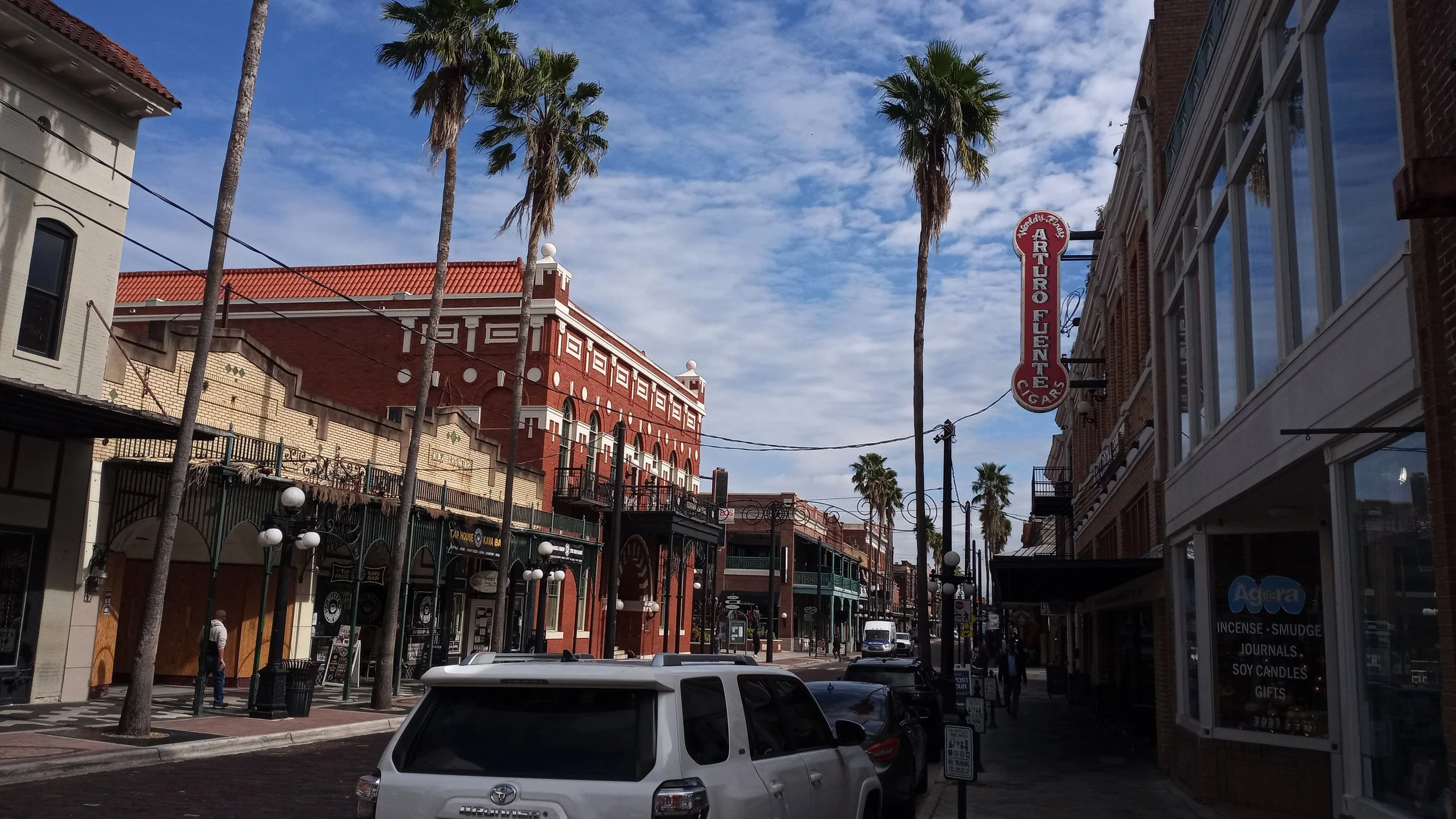
Discover the full story of Ybor City with Drives & Detours — Matthew Hoobin / CC 1.0
Ybor City is not a museum trapped behind glass; it is a living, breathing neighborhood with a story waiting to be uncovered at every corner.
If you are the type of traveler who values independence—someone who wants to linger at the steps of the Centro Asturiano or grab a cafe con leche without worrying about a tour guide rushing you along—Drives & Detours has exactly what you need.
Our Historic Ybor City Audio Tour acts as your personal historian, living right inside your smartphone. We have done the deep historical research so you do not have to. Simply download the tour, put in your earbuds, and start walking. You get all the fascinating stories of the cigar barons, the lectors, and the mobsters, entirely on your own schedule. Pause the audio to step inside a bakery, take a detour to photograph a rooster, and resume whenever you are ready.
Do not settle for a superficial glance at La Septima. Get the full, immersive story with Drives & Detours.
Frequently Asked Questions About Ybor City
-
Ybor City was founded in 1885 by Vicente Martinez-Ybor, a Spanish-born cigar manufacturer who relocated his operations from Key West, Florida, to the Tampa Bay area to build a dedicated company town for his industry.
-
The district is famous for being the historic center of the American cigar industry. During its peak in the early 20th century, it was known globally as the Cigar Capital of the World, producing hundreds of millions of hand-rolled cigars annually. It is also renowned for its rich immigrant history and mutual aid societies.
-
Yes, Ybor City is highly walkable, particularly along the main thoroughfare of Seventh Avenue. It is best explored on foot, allowing you to admire the historic brick architecture, visit local shops, and enjoy self-guided audio tours at your own pace.
-
The wild chickens and roosters roaming Ybor City are direct descendants of the poultry kept by the neighborhood's original 19th-century residents in their backyards. Today, they are protected by a city ordinance and serve as a beloved, living symbol of the district's history.