Uncovering the Magic City: 6 Must-See Attractions in Birmingham, Alabama
Experience the Profound History, Industrial Marvels, and Cultural Highlights of Birmingham at Your Own Pace
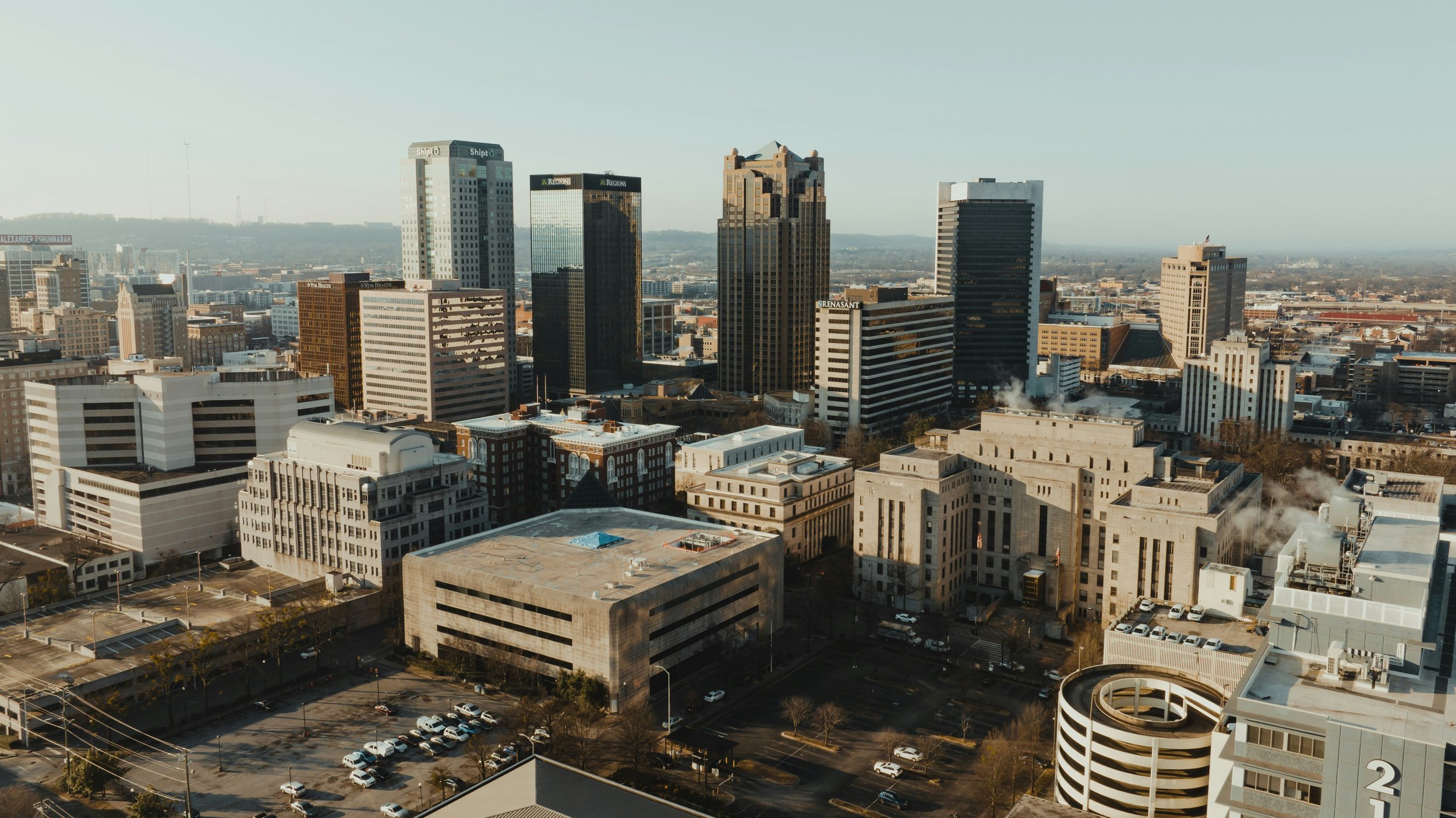
Birmingham is a city of true depth and spirit — Lance Asper / Unsplash
Birmingham, Alabama, is a city born of iron and steel, but defined by its enduring spirit and monumental role in American history. Known as The Magic City due to its rapid growth at the turn of the 20th century, Birmingham sits nestled in the rolling foothills of the Appalachian Mountains. Today, it offers an incredible tapestry of industrial ruins, world-class museums, and profound historical landmarks.
For the modern explorer, Birmingham is a revelation. But experiencing the true depth of this city requires something that traditional group tours rarely offer: time. When you are visiting places of immense historical weight or wandering through massive, awe-inspiring industrial complexes, the last thing you want is a tour guide checking their watch and ushering you onto a crowded bus. You want to linger. You want to read the plaques, absorb the atmosphere, and explore the detours that catch your eye.
At Drives & Detours, we believe that the best way to uncover a city's soul is to do it on your own terms. Whether you are walking through the hallowed grounds of the Civil Rights District or staring up at the largest cast-iron statue in the world, Birmingham rewards the independent traveler.
Here are the top six iconic attractions you cannot miss when visiting Birmingham—perfectly suited for a self-guided journey.
1. The Birmingham Civil Rights Institute and District
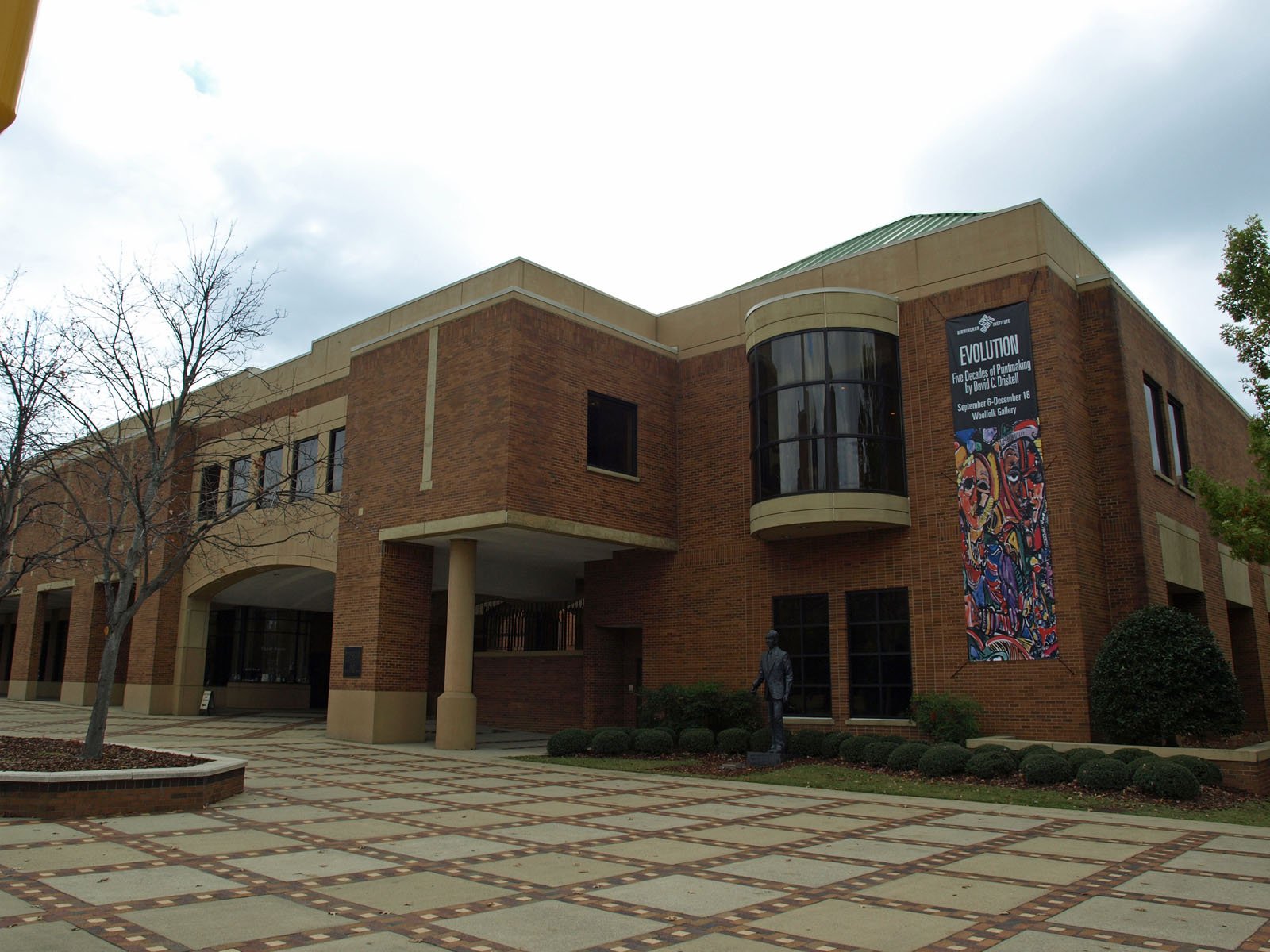
A visit to the Birmingham Civil Rights Institute is essential to understand the city — Chris Pruitt / CC 3.0
To understand Birmingham, and indeed to understand modern America, a visit to the Birmingham Civil Rights Institute (BCRI) is absolutely essential. This interactive museum is not just a collection of artifacts; it is a deeply moving narrative experience that walks you through the struggles, tragedies, and ultimate triumphs of the Civil Rights Movement in the 1950s and 1960s.
Because the exhibits are dense with history, audio recordings, and visual displays, this is a place where moving at your own pace is crucial. You will want the time and space to sit with the history presented here. Right outside the institute's doors lies the broader Civil Rights District, a designated National Monument. Take a slow, self-guided walk across the street to Kelly Ingram Park, the site of historic protests, where powerful sculptures line the pathways.
Just steps away stands the 16th Street Baptist Church, a site of unspeakable tragedy in 1963 that became a global catalyst for change. Exploring this district independently allows for the quiet reflection that the space demands, free from the chatter of a large tour group.
2. Vulcan Park and Museum
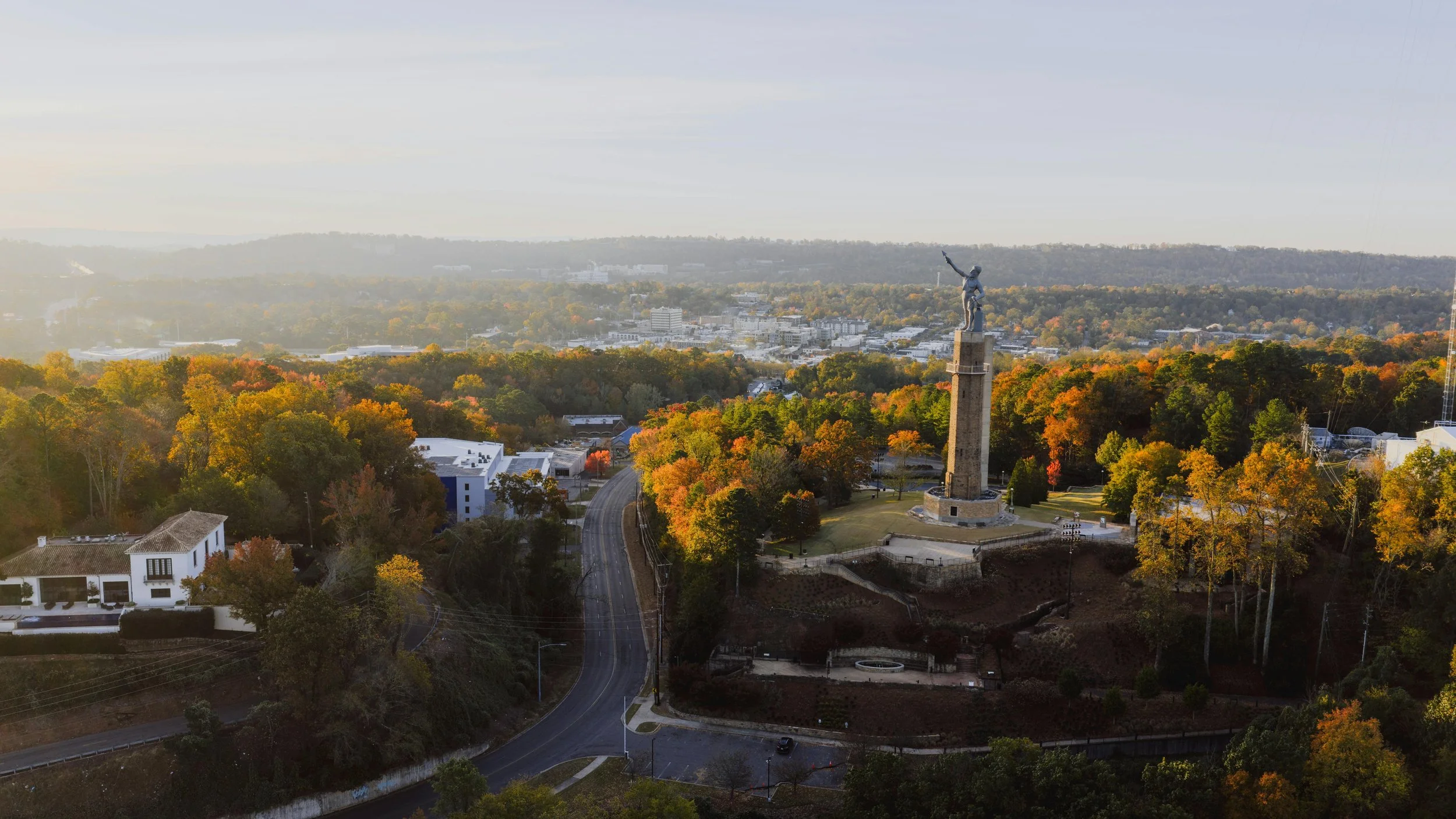
Vulcan is the largest cast-iron statue in the world and looks over the city as a symbol of its roots — Kelly / Pexels
Overlooking the city from the top of Red Mountain stands Vulcan, the Roman god of fire and forge. Cast from local iron for the 1904 St. Louis World's Fair, this colossal 56-foot-tall statue is the largest cast-iron statue in the world and the enduring symbol of Birmingham's industrial roots.
Taking the elevator (or the stairs, if you are feeling adventurous) up Vulcan's 124-foot pedestal offers the best panoramic views of the city skyline and the surrounding Appalachian foothills. The onsite museum is highly recommended, offering a concise but fascinating look into how Birmingham was literally built from the iron ore, coal, and limestone beneath its soil.
Visiting independently means you can time your arrival for sunset—watching the sky turn brilliant shades of orange and pink over the city while Vulcan stands watch. There is no need to rush back to a tour bus; you can stay until the city lights begin to twinkle in the valley below.
3. Sloss Furnaces National Historic Landmark
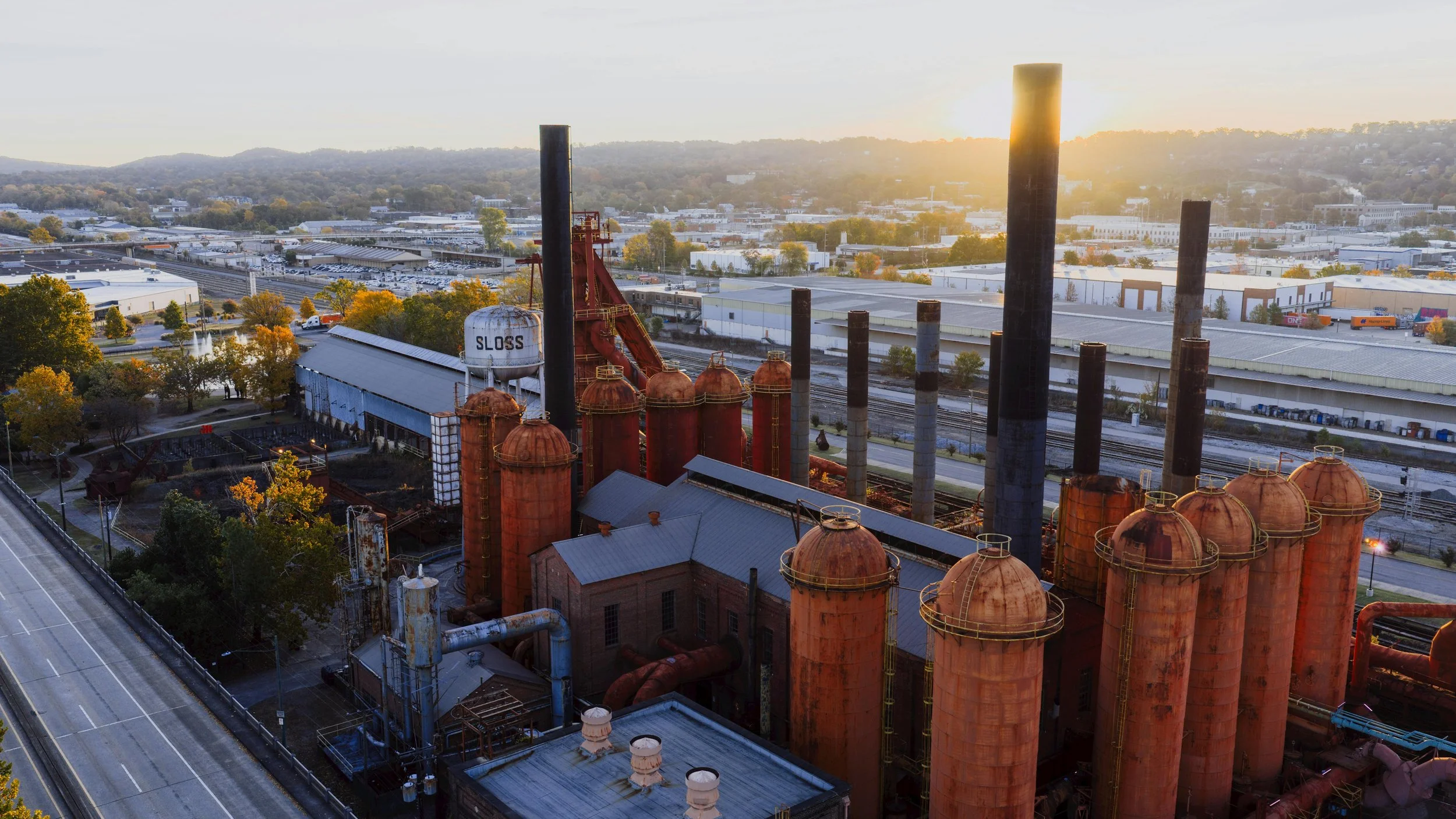
Sloss Furnaces is a playground for photographers and history buffs — Kelly / Pexels
There is nowhere else in the world quite like Sloss Furnaces. Operating from 1882 until 1971, this massive iron-producing blast furnace has been preserved as a National Historic Landmark. It is a stunning, eerie, and endlessly fascinating maze of rusted pipes, towering smokestacks, and heavy machinery.
Sloss Furnaces is a playground for photographers and history buffs alike. Exploring the site feels like stepping onto the set of a post-apocalyptic movie, but the history of the men who worked in these grueling, dangerous conditions is very real.
Wandering the grounds on a self-guided tour allows you to get up close to the rusting giants, read the informational markers at your leisure, and truly appreciate the sheer scale of the industrial machine that earned Birmingham its Magic City moniker. It is a raw, unpolished, and completely captivating experience that is best enjoyed without a crowd blocking your view.
4. Barber Vintage Motorsports Museum

The Barber Vintage Motorsports Museum is jawdropping whether you are a fan or not — Nheyob / CC 1.0
Even if you do not consider yourself a motorcycle enthusiast, the Barber Vintage Motorsports Museum is a jaw-dropping spectacle that demands a spot on your itinerary. Located just outside the city center in Leeds, this facility holds the Guinness World Record for the largest collection of vintage and contemporary motorcycles in the world.
The architecture of the building alone—a multi-story, glass-enclosed structure featuring a spiraling walkway—is a modern marvel. Inside, over 1,600 meticulously restored motorcycles (and a stellar collection of Lotus race cars) are displayed like fine art. Because of the sheer volume of the collection, a self-guided approach is the only way to tackle it.
You can breeze past the eras that don't catch your eye and spend an hour studying the intricate engineering of a rare 1920s Indian or a custom-built chopper. The museum overlooks a world-class, 2.38-mile racing track, so you might even catch the thrilling sound of superbikes zooming past while you browse.
5. The Birmingham Botanical Gardens
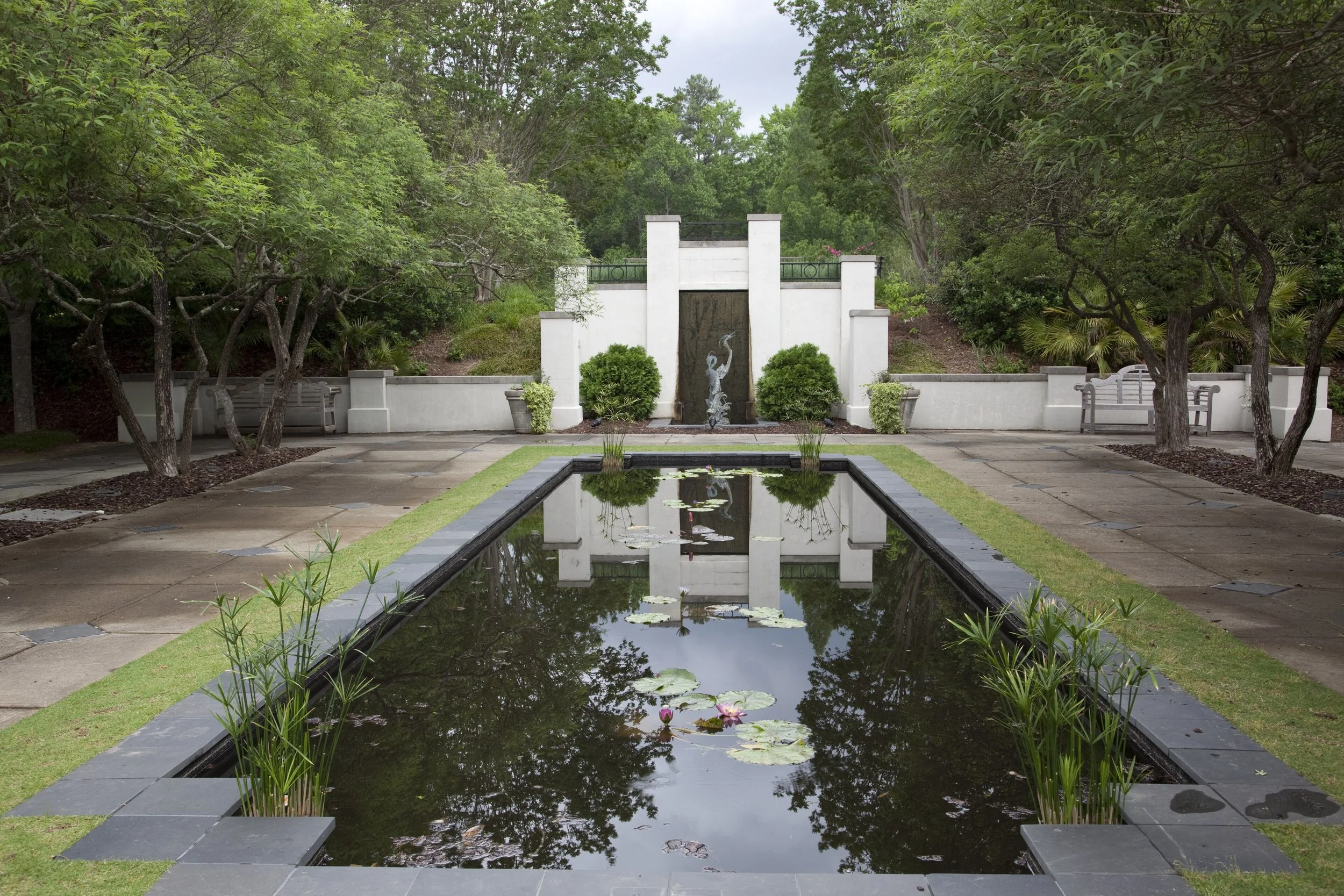
Birmingham Botanical Gardens provides a perfect urban oasis to relax in — Library of Congress / Public Domain
When you are ready to trade the industrial iron for vibrant greenery, the Birmingham Botanical Gardens provides a perfect urban oasis. Spanning 67.5 acres, this is Alabama's largest living museum, and best of all, admission is completely free.
The gardens are divided into beautifully curated sections, including a stunning Japanese Garden complete with a traditional teahouse, a vibrant Rose Garden, and a deeply tranquil Fern Glade. This is where independent travel truly shines. You can bring a book, sit on a bench by the koi pond, and simply exhale. There is no itinerary to follow here.
You can spend thirty minutes stretching your legs or three hours getting lost among the tens of thousands of plants. It is a brilliant way to recharge your batteries before heading back into the city for some famous Alabama barbecue.
6. Birmingham Museum of Art
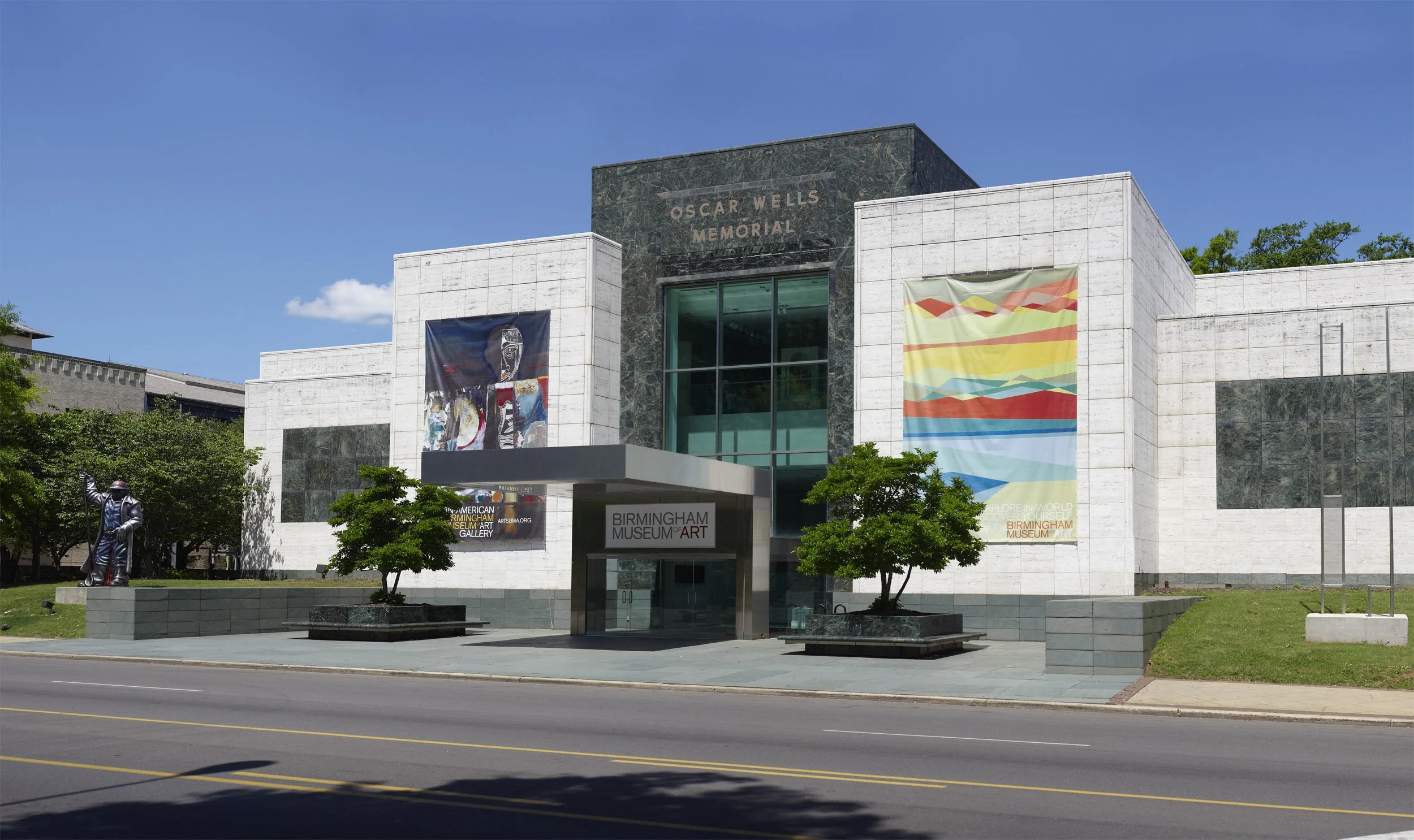
The Birmingham Museum of Art is one of the finest regional art museums in the United States — Birmingham Museum of Art / CC 3.0
Located in the heart of downtown, the Birmingham Museum of Art (BMA) is one of the finest regional art museums in the United States. Like the Botanical Gardens, general admission is free, making it an incredibly accessible stop for any traveler.
The museum houses a diverse collection of more than 27,000 paintings, sculptures, prints, and decorative arts. It is particularly renowned for its extensive Asian art collection, its impressive European galleries, and the world-renowned Wedgwood ceramics collection. Walking through an art museum with a large group often means compromising on what you want to see.
By exploring the BMA on your own, you can bypass the Renaissance paintings if you prefer contemporary works, or spend all your time admiring the intricate details of the Native American art exhibits. You are the curator of your own visit.
See Birmingham Your Way With Drives & Detours
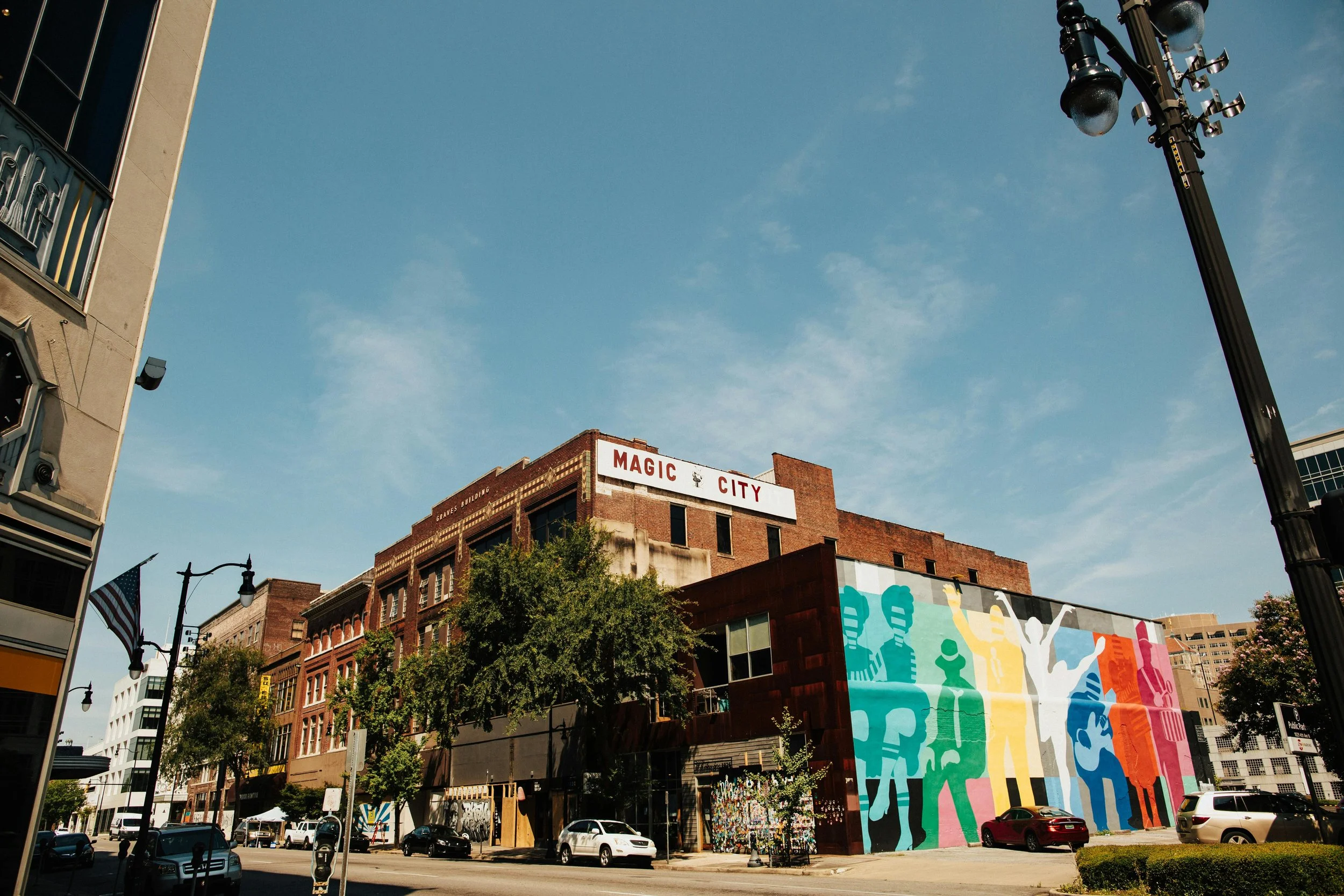
You’ll have an expert guide to Birmingham in your pocket with Drives & Detours — Alyssa Rose / Unsplash
Birmingham is a city of incredible contrasts—where heavy iron meets delicate botanical gardens, and where dark history is met with profound resilience. It is a destination that deserves your full attention and your own unique pace.
At Drives & Detours, we provide the deep knowledge, the local insights, and the historical context you need, without ever holding you back. You get the expertise of a guide right in your pocket, allowing you to linger when you are fascinated and move on when you are ready.
Plan your trip, pack your bags, and get ready to discover the magic of Birmingham, Alabama, exactly the way you want to.