Uncovering St. Augustine: 6 Must-See Historic Attractions
Skip the Crowded Bus Tours and Explore Florida’s Historic Coast on Your Own Terms
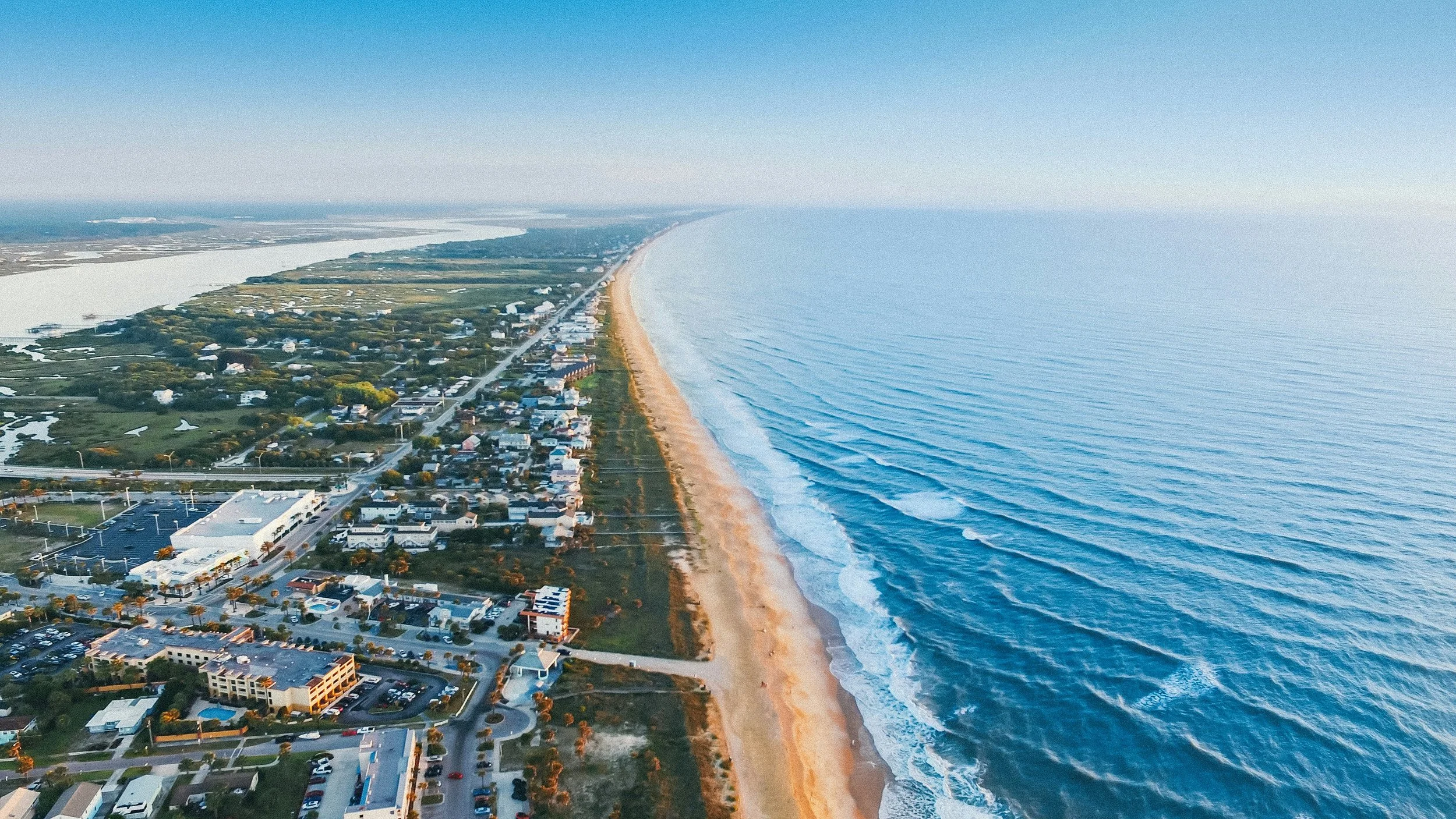
St. Augustine is the oldest continuously occupied European-established settlement in the United States — Lance Asper / Unsplash
There is a distinct kind of magic that hangs in the air of St. Augustine, Florida. As the oldest continuously occupied European-established settlement within the borders of the continental United States, every cobblestone, coquina wall, and ocean breeze feels heavy with centuries of history.
For the curious traveler, this city is a treasure trove of Spanish Renaissance architecture, Gilded Age opulence, and legendary pirate tales. But let’s be honest: nothing ruins the atmosphere of a 17th-century fortress quite like being herded onto a packed bus, straining to hear a tour guide over a megaphone, or being rushed away from an exhibit before you’ve had time to truly take it in.
At Drives & Detours, we believe that the best travel moments happen when you are in the driver's seat. You deserve to travel on your own time, linger where you want, and gain a deep, authentic understanding of your destination without chasing a stranger’s umbrella.
If you are looking for the best way to explore St. Augustine without a tour group, you have come to the right place. Here are the top six iconic attractions you simply cannot miss in the Nation’s Oldest City—and how to experience them on your own terms.
1. Castillo de San Marcos National Monument
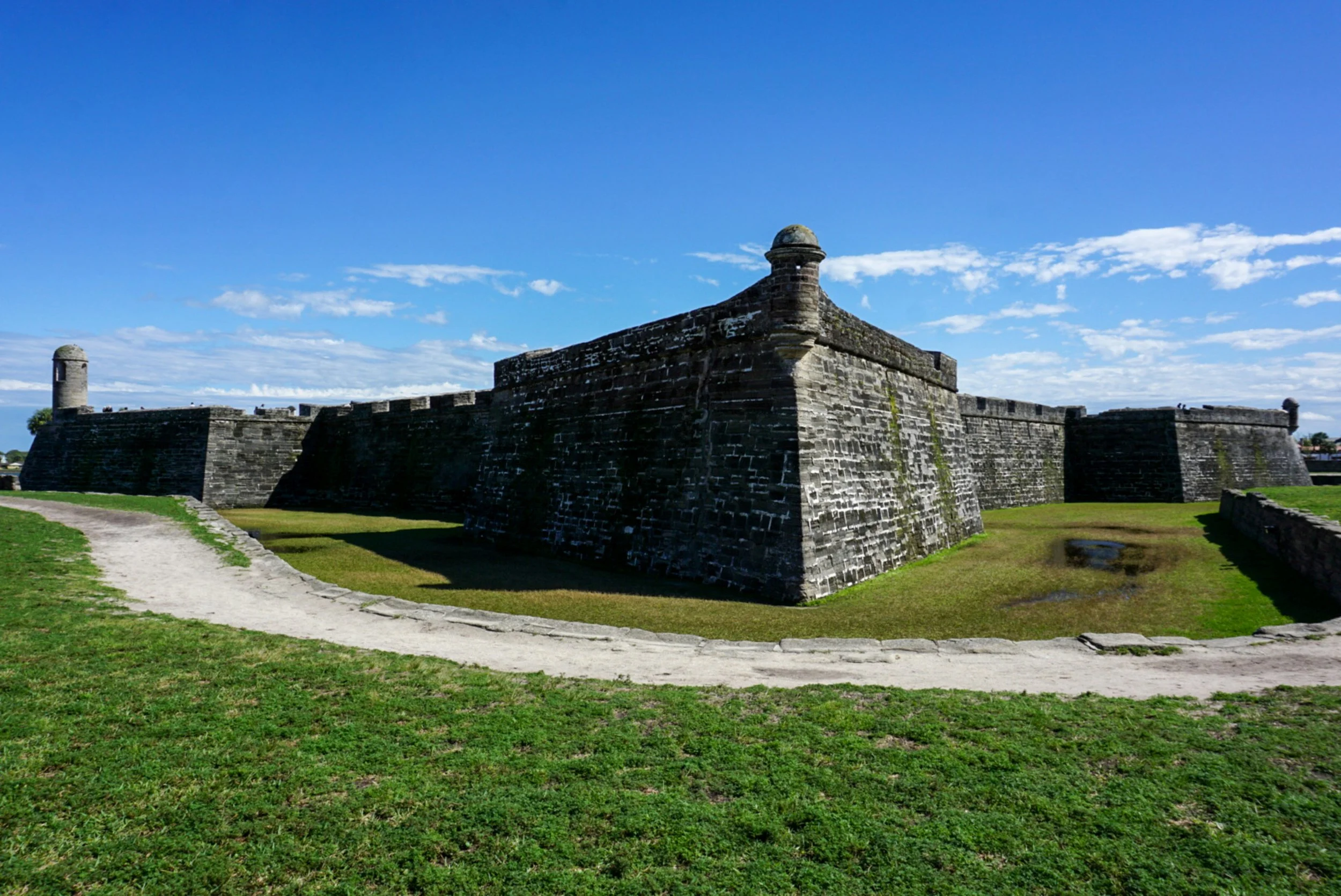
The walls of Castillo de San Marcos were almost impenetrable when first built — Philip Davis / Unsplash
It is impossible to talk about St. Augustine without starting at the Castillo de San Marcos. Standing proudly on the western shore of Matanzas Bay, this is the oldest masonry fort in the continental United States. Built by the Spanish between 1672 and 1695, the fortress was designed to protect the city from pirate raids and British invasions.
What makes the Castillo truly unique is its construction. It is made entirely of coquina, a local, semi-rare form of limestone created from broken shells. When enemy cannons fired upon the fort, the coquina walls didn't shatter; instead, they absorbed the cannonballs like a sponge, making the fortress virtually impenetrable.
Exploring the Castillo de San Marcos is best done at a slow, deliberate pace. Walk the expansive gun deck, take in the panoramic views of the Matanzas River, and imagine the centuries of soldiers who stood watch on those very walls. To truly understand the strategic brilliance of this structure, you'll want context—which is exactly what our self-guided audio tours provide.
2. St. George Street & The Historic District

St. George Street is full of quaint local cafes, boutique shops, artisan bakeries and prohibition-era bars — Eric Tompkins / Unsplash
St. George Street is the beating heart of St. Augustine’s Historic District. This premier pedestrian-only thoroughfare is lined with centuries-old buildings that now house quaint local cafes, boutique shops, artisan bakeries, and tucked-away courtyards.
As you stroll down St. George Street, you are walking the same paths that Spanish settlers, British soldiers, and infamous pirates walked hundreds of years ago. You will pass the Oldest Wooden School House—a fascinating look at early American education—and the Peña-Peck House, which dates back to the first Spanish period.
Because this area is highly popular, it can easily become congested with large walking tours. By exploring independently, you have the freedom to duck into a quiet side street (like Aviles Street, the oldest public street in the US), grab an empanada, and enjoy the ambiance without a group breathing down your neck.
3. Ponce de Leon's Fountain of Youth Archaeological Park
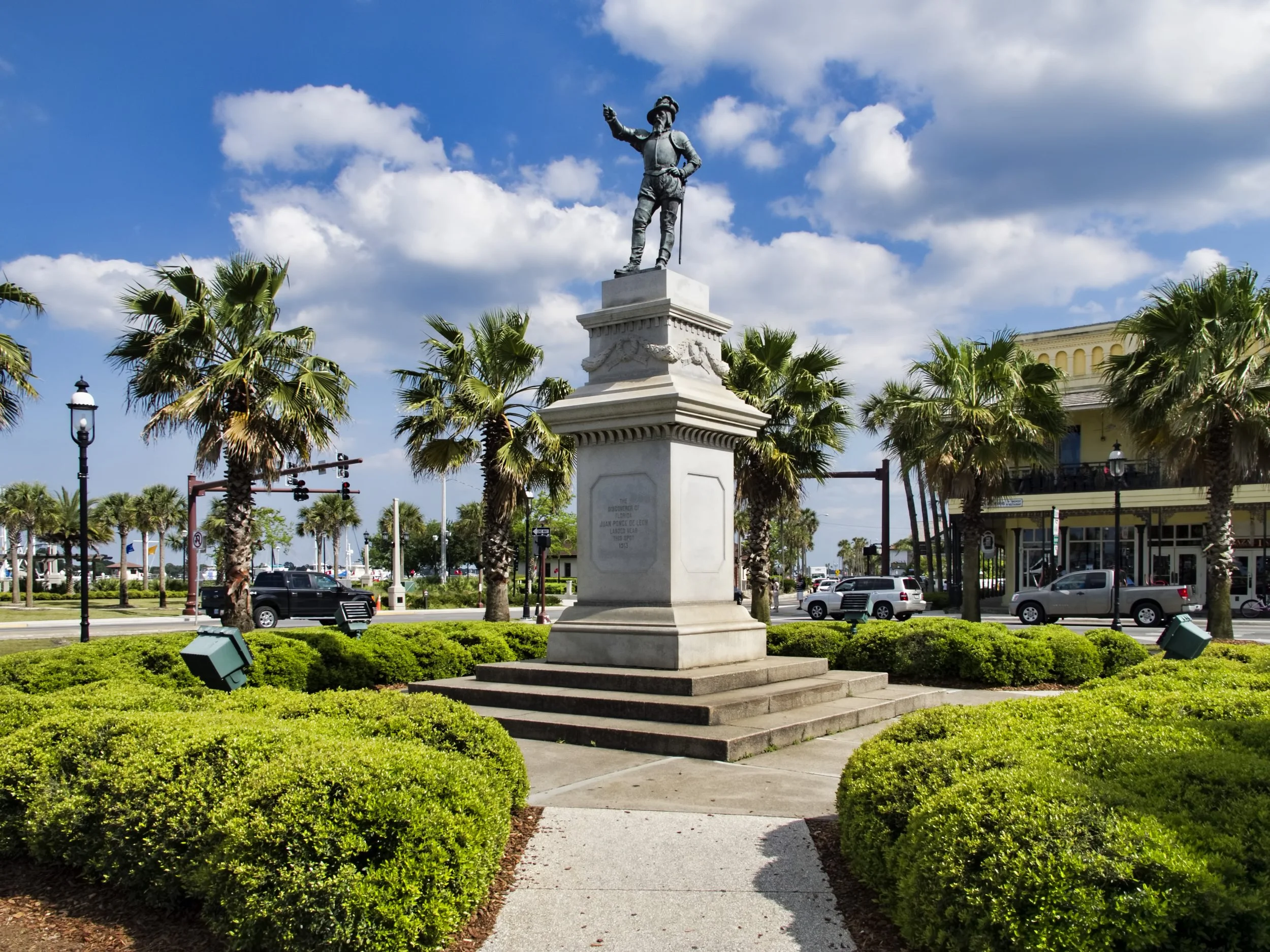
Juan Ponce de León was hunting for the Fountain of Youth when he landed in St. Augustine — Dan Lundberg / Wikimedia Commons / CC 2.0
Legend has it that Spanish explorer Juan Ponce de León landed in Florida in 1513 in search of the mythical Fountain of Youth. Today, this 15-acre waterfront historical attraction commemorates that landing and the subsequent 1565 founding of St. Augustine by Pedro Menéndez de Avilés.
While taking a sip from the legendary spring is a fun, bucket-list moment, the park offers so much more. It is an active archaeological site that gives incredible insight into the Timucua Native Americans who lived here long before the Spanish arrived.
You can explore a reconstructed Timucua village, watch a historic firearms demonstration, and wander beneath Spanish moss-draped oak trees while vibrant peacocks roam the grounds freely. It is a fantastic place to spend a few hours completely immersed in the 16th century.
4. St. Augustine Lighthouse & Maritime Museum
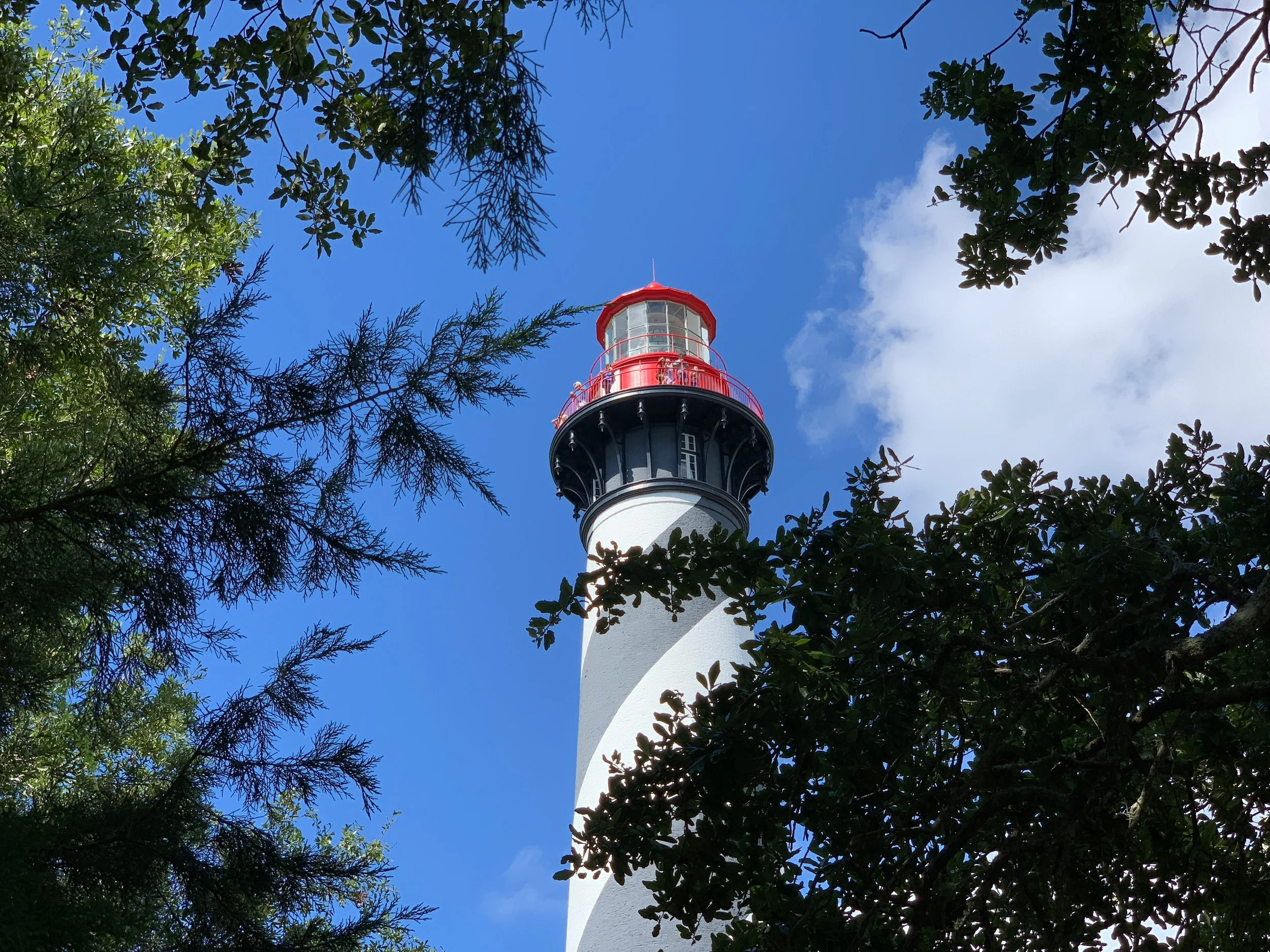
St. Augustine Lighthouse provides the best views of the city — Eric Tompkins / Unsplash
For the best panoramic views of the city and the Atlantic Ocean, you need to head over to Anastasia Island to visit the St. Augustine Lighthouse. Built in 1874, this striking black-and-white striped beacon stands 165 feet tall.
Climbing the 219 steps to the observation deck is a rite of passage for visitors, rewarding you with sweeping views of the coastline and the historic downtown. But the site is more than just a beautiful view. The accompanying Maritime Museum tells the rich, often dangerous story of Florida’s coastal history, including the tragic shipwrecks offshore and the dedicated lighthouse keepers who maintained the light through devastating storms and world wars.
If you love maritime history (or even a good ghost story, as the lighthouse is famously haunted), this is a must-visit.
5. Lightner Museum
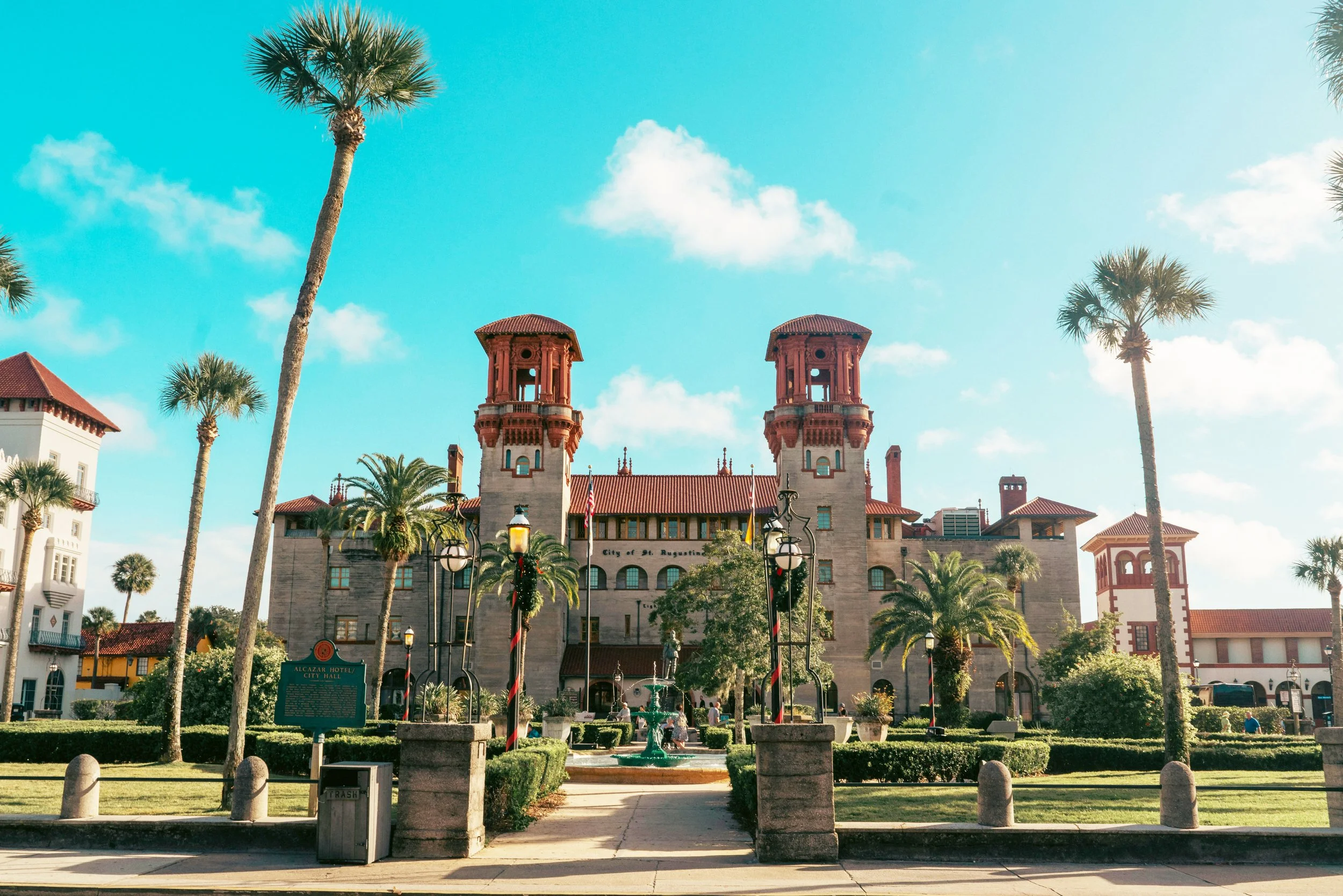
The Lightner Museum is a masterpiece of the Gilded Age — Moses Malik Roldan / Unsplash
Stepping into the Lightner Museum feels like stepping back into the height of the Gilded Age. Originally built in 1888 by railroad magnate Henry Flagler as the Alcazar Hotel, this breathtaking Spanish Renaissance Revival building is an architectural masterpiece.
Today, it houses an eclectic and mesmerizing collection of 19th-century antiquities. As you wander through the museum, you will find Victorian art glass, intricate stained glass work by Louis Comfort Tiffany, shrunken heads, mechanical musical instruments, and a fascinating array of oddities collected by Otto C. Lightner.
One of the most unique features of the museum is its location. The exhibits are built in and around the hotel’s former indoor swimming pool, which was once the largest in the world. Taking your time to wander the Lightner Museum without the pressure of a schedule allows you to truly appreciate the exquisite details of the Gilded Age.
6. Flagler College (The Former Ponce de Leon Hotel)
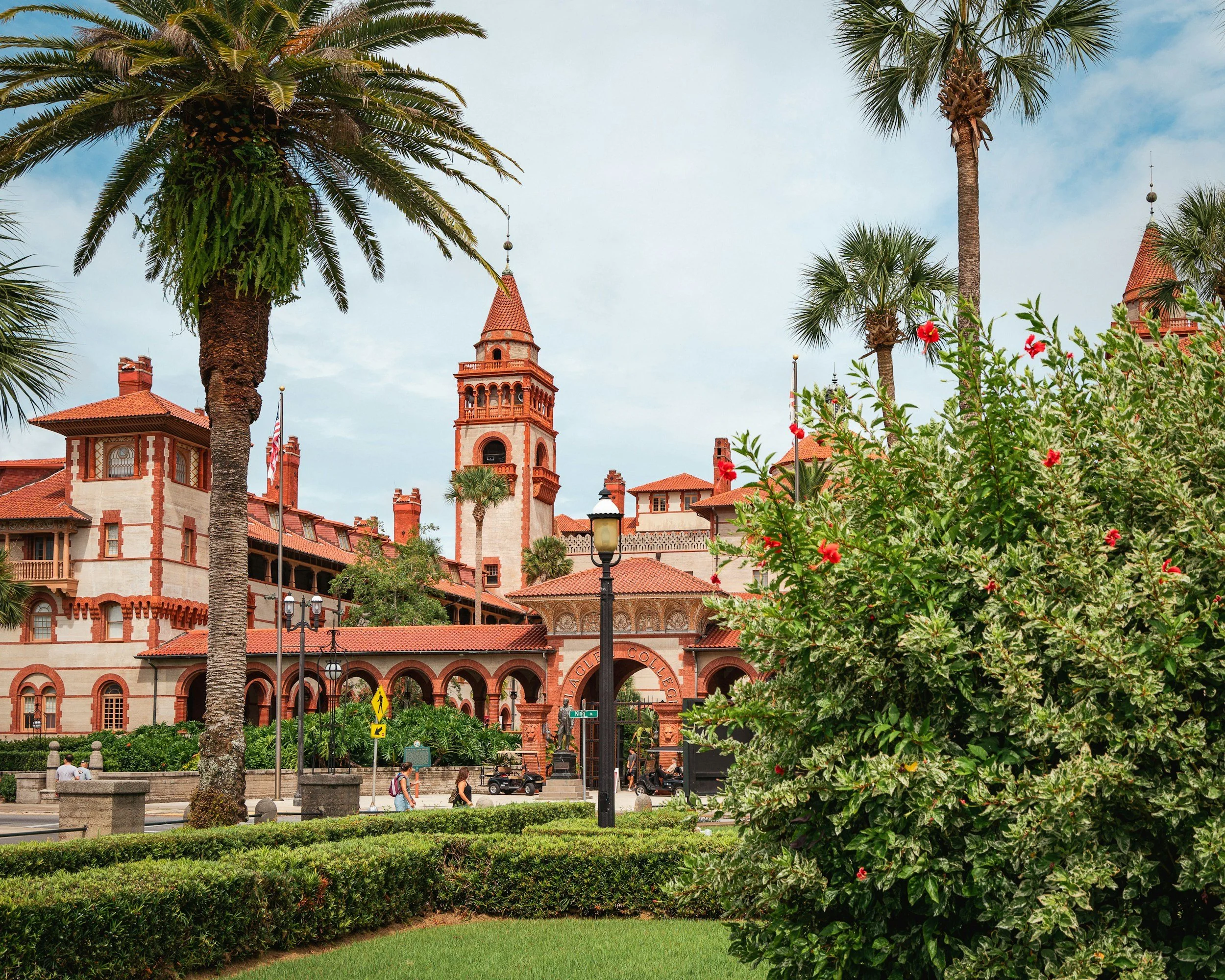
Flagler College was once one of the most exclusive hotels in the United States — Michael J. Vega / Unsplash
Just across the street from the Lightner Museum sits Flagler College. Before it was a liberal arts college, this spectacular structure was the Ponce de Leon Hotel, Henry Flagler’s crown jewel. Built in 1888, it was one of the most exclusive and luxurious resorts of its time, designed to attract America’s wealthiest elite to the Florida coast.
The architecture is jaw-dropping. From the moment you step into the courtyard, you are surrounded by intricate terracotta detailing, towering spires, and lush landscaping. Inside, the rotunda boasts an 80-foot domed ceiling covered in gold leaf murals, and the dining hall features 79 original Louis Comfort Tiffany stained glass windows.
Even if you only explore the exterior and the main courtyard, you will leave with a profound appreciation for the vision that transformed St. Augustine into a winter resort for the rich and famous.
Discover the Bastions of St. Augustine at Your Own Pace
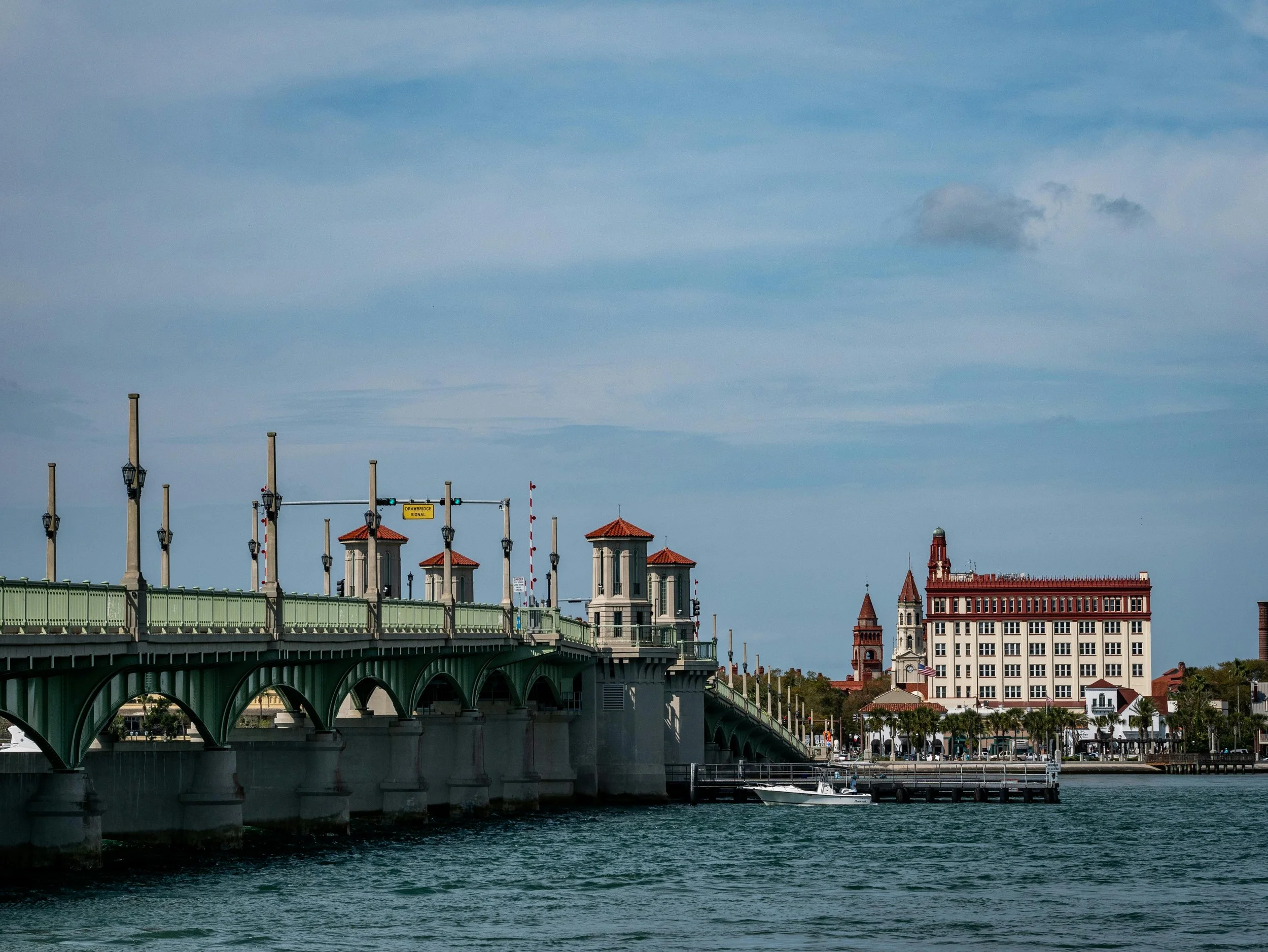
Discover the stories behind the sights of St. Augustine with Drives & Detours — Joshua Santos / Pexels
St. Augustine is a city built on layers of incredible history, and uncovering those layers requires a bit of deep knowledge. But you don't need to follow a flag-waving guide to find it. If you are looking for a top-rated self-guided audio tour in St. Augustine, Drives & Detours has exactly what you need.
We created The Bastions of St. Augustine Walking Tour for travelers just like you—people who want to dive deep into the fascinating stories of the city's defenses, but want to do it on their own terms.
Our expertly crafted audio tour transforms your smartphone into your own trusty local friend. You can hit play when you are ready, pause to grab a coffee on St. George Street, and resume whenever you please. You will learn the gripping secrets behind the Castillo de San Marcos, the strategic brilliance of the city walls, and the dramatic battles that shaped Florida's coast.
Ready to explore the Nation’s Oldest City without the crowds? Ditch the bus, grab your headphones, and download The Bastions of St. Augustine Walking Tour today. Your journey, your pace, your history.