Ditch the Tour Bus: The Ultimate First-Timer's Guide to St. Augustine
From Hidden Brick Alleys to the Slow Burn of Datil Peppers, Drives & Detours Brings You the Insider Playbook for Exploring St. Augustine, Florida, Like a Local
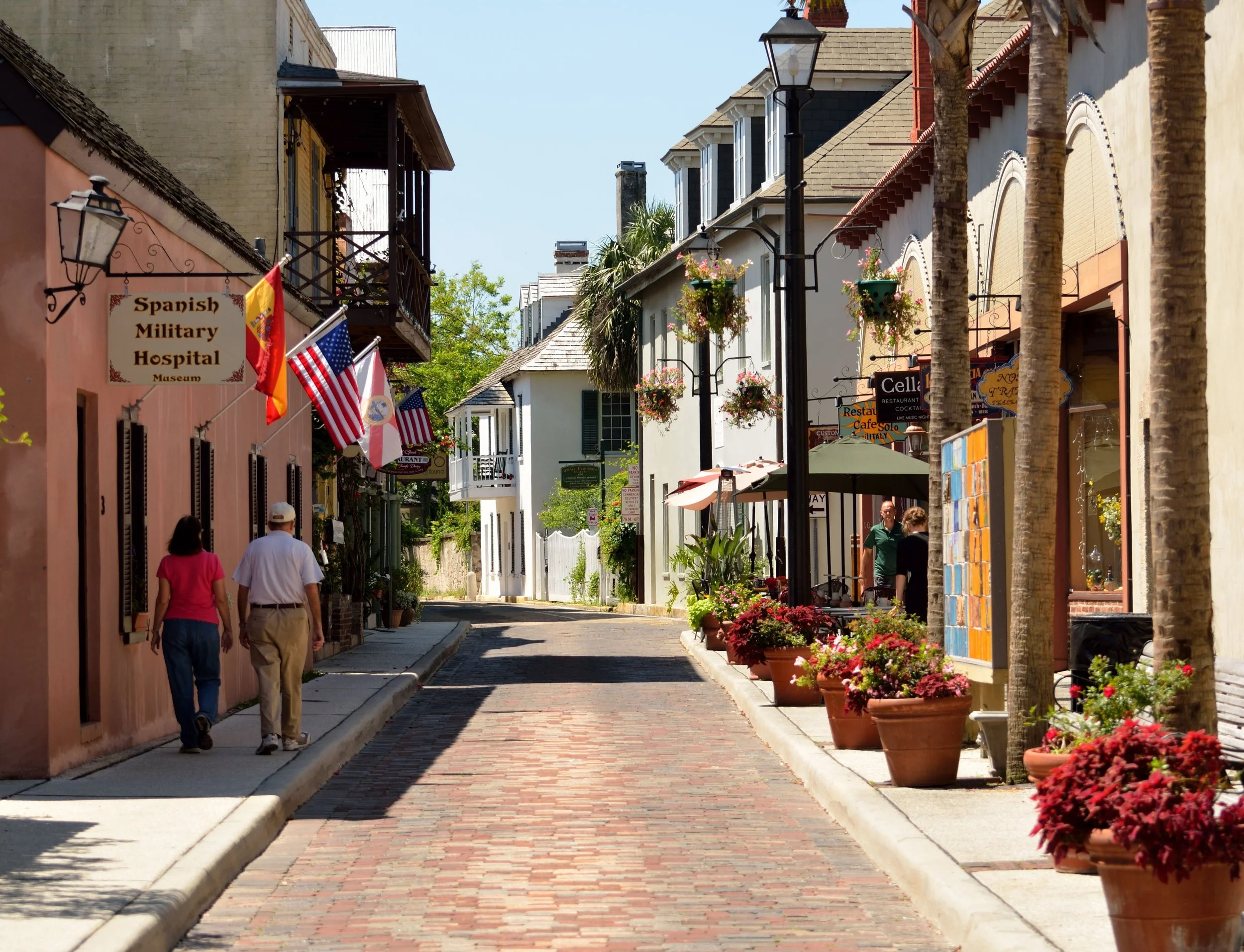
There’s a good chance you’re feeling too hot and too rushed on your first trip to St. Augustine — Paul Brennan / Pixabay
Welcome to St. Augustine, a city where Spanish moss drips from ancient live oaks, cannonballs are embedded in centuries-old coquina walls, and the ghosts of pirates, soldiers, and railroad tycoons seem to linger on every corner. As the oldest continuously occupied European settlement within the borders of the continental United States, this city is a historical goldmine.
But here is the hard truth: most first-time visitors experience it entirely wrong.
They arrive at midday, immediately cram onto a sweltering trolley, get herded down the most crowded streets elbow-to-elbow with thousands of other tourists, and end up eating a generic burger at a chain restaurant. They spend their vacation chasing a tour guide holding an umbrella aloft, straining to hear a megaphone presentation, and feeling completely rushed at the very monuments they traveled hundreds of miles to see.
At Drives & Detours, we believe your travel should happen on your time. You deserve to linger at a 17th-century fortress, veer off the main drag to investigate a strange local art gallery, and truly absorb the atmosphere without a stranger checking their watch. If you are ready to experience the Ancient City like a seasoned local rather than a rushed tourist, you are in the right place. Here is Drives & Detours’ guide to mastering St. Augustine, Florida.
1. The Coquina Microclimate: Timing is Everything
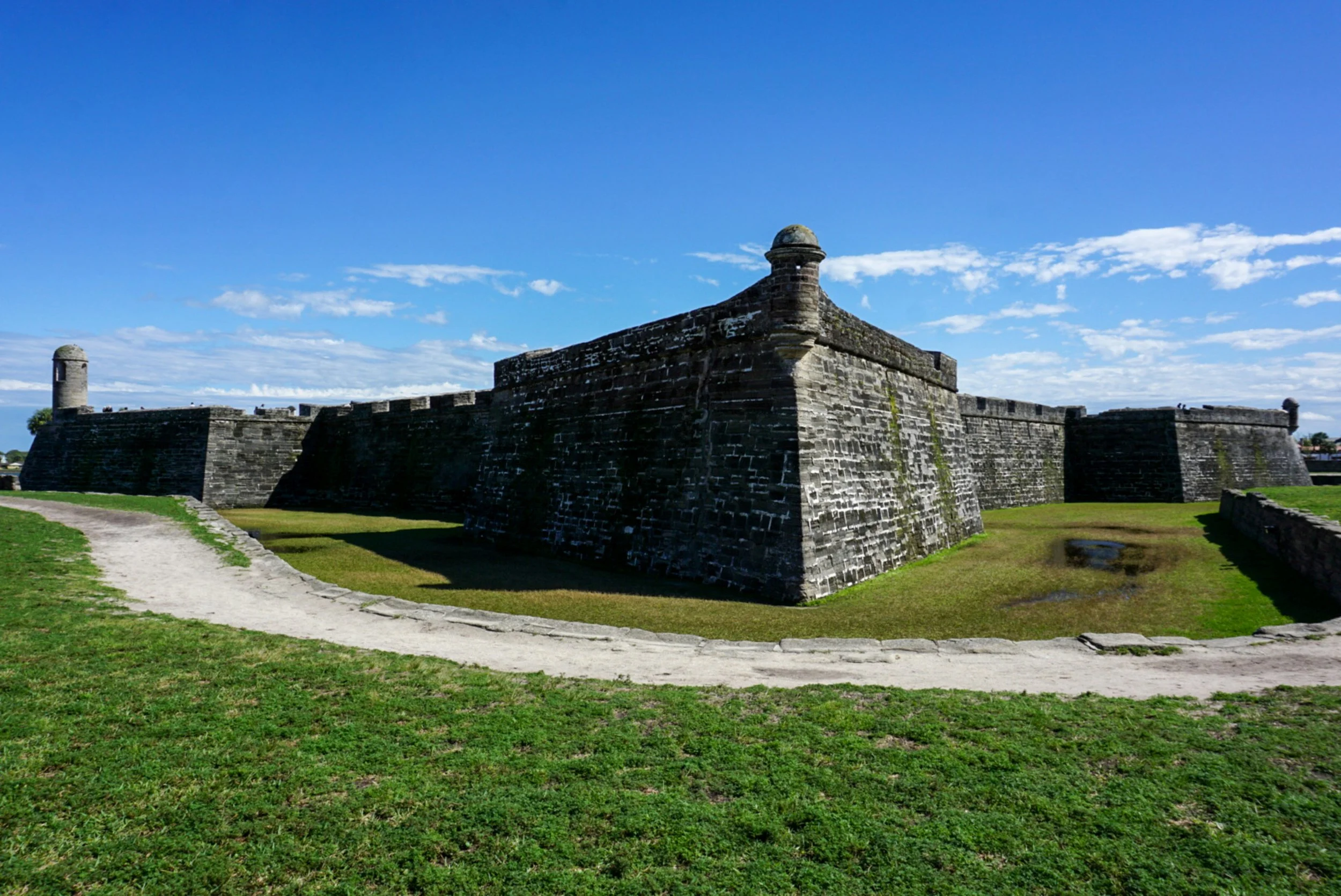
Much of St. Augustine is built from coquina that roasts the city in the afternoon — Philip Davis / Unsplash
Florida weather is famous for its intensity, but St. Augustine has its own specific atmospheric quirks. The city’s most famous historical structures—including the legendary Castillo de San Marcos—are built from coquina, a unique sedimentary rock composed of ancient compressed shells. While brilliant at absorbing enemy cannon fire without shattering, coquina also absorbs the blazing Florida sun, radiating that heat back onto the streets well into the afternoon.
Furthermore, the Historic District sits right on the Matanzas River, creating a microclimate where late afternoons can become incredibly sticky and humid, often culminating in a brief, dramatic 4:00 PM thunderstorm.
The Local Tip: Treat midday as your time to rest, grab a long lunch indoors, or explore air-conditioned museums like the Lightner. The golden rule of St. Augustine walking is that early morning and dusk are sacred. If you want to truly appreciate the imposing walls of the Castillo or the old city gates, go at sunset.
A beautiful, cool breeze sweeps off the Matanzas Bay, the devastating glare of the sun fades into a stunning palette of pinks and purples, and the massive crowds of day-trippers vanish. This is the exact moment you want to put your headphones in, fire up a self-guided audio tour, and walk the perimeter of the forts in total awe-inspiring peace.
2. Skip the Swarm: Finding the Real Historic Streets
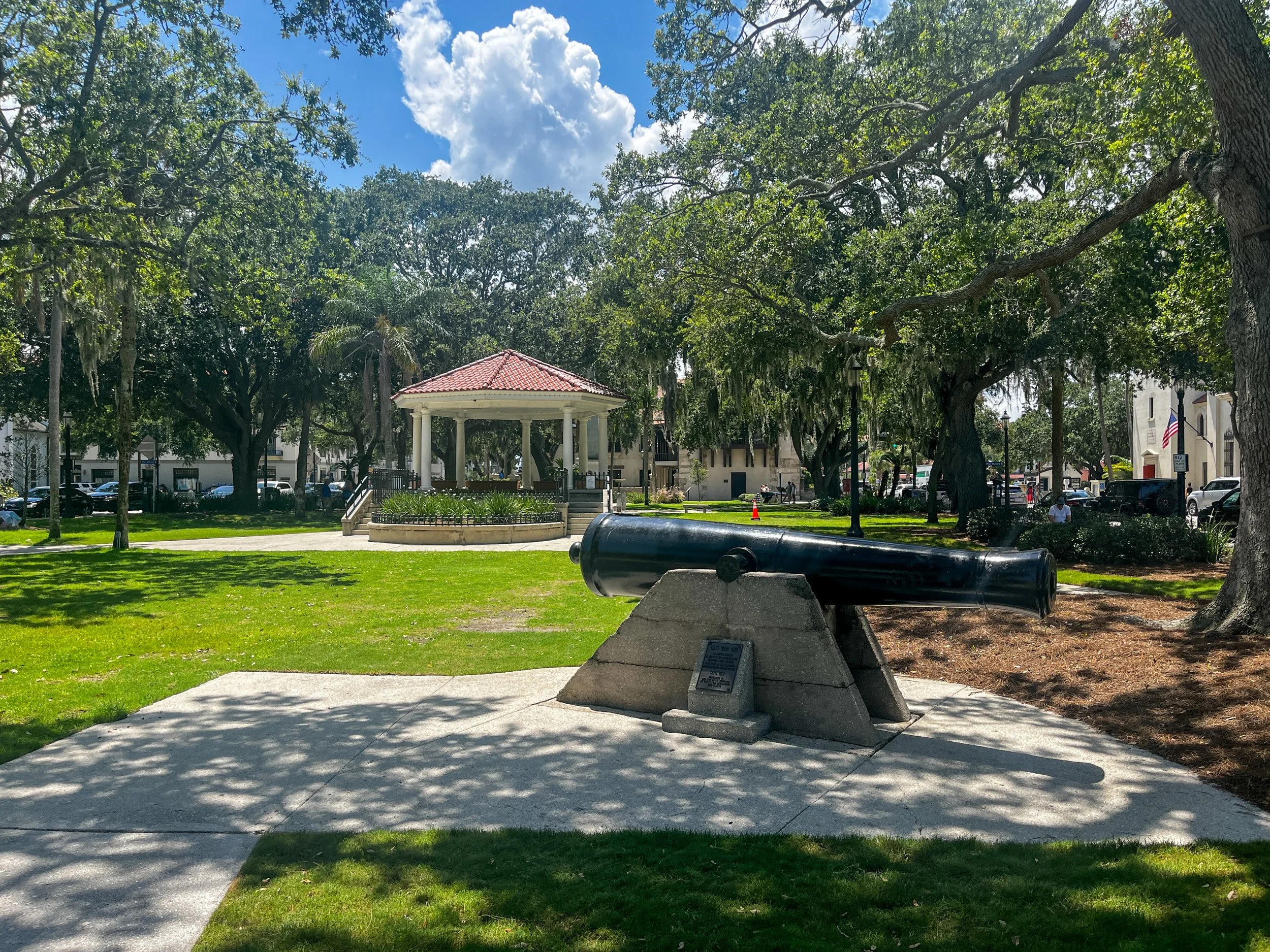
There will always be a quiet spot to relax, even when the main drags are heaving with people — Michelle Maria Pitzel / Pixabay
If you look up any standard guide to St. Augustine, it will point you directly to St. George Street. This pedestrian-only thoroughfare is indeed historical, but today, it is also the epicenter of tourist congestion. It is packed tightly with souvenir shops, bustling crowds, and the overwhelming scent of waffle cones. While it is worth a stroll, it is not where the true soul of the city hides.
The Local Tip: When the crowds on St. George Street become too much, slip away and head a few blocks south to Aviles Street.
Aviles Street quietly holds the title of the oldest public street in the United States. Paved with uneven, charming bricks and shaded by lush foliage, it feels like stepping onto a quiet movie set.
Here, you will find incredibly talented local artisans, independent art galleries, atmospheric cafes, and a quiet romance that the main drags entirely lack. It is the perfect place to wander slowly, peering into hidden courtyards that look exactly as they did during the Second Spanish Period.
3. Taste the History: A Primer on Minorcan Cuisine
St. Augustine has a hyper-local culinary heritage, Minorcan cuisine — Lance Asper / Unsplash
Forget the generic seafood shacks offering fried shrimp that could have been caught anywhere. St. Augustine has a hyper-local culinary heritage that is virtually impossible to find outside of Northeast Florida: Minorcan cuisine.
In the late 1700s, a large group of indentured servants from the Mediterranean island of Minorca fled a brutal plantation south of the city and sought refuge in St. Augustine. They brought with them their culinary traditions, forever altering the local flavor profile.
The Local Tip: You cannot leave the city without trying two things. First, seek out Minorcan Clam Chowder. Unlike the creamy white New England version or the clear Rhode Island style, Minorcan chowder is a fiery, tomato-based broth packed with vegetables, clams, and an unmistakable kick.
That kick comes from the second thing you must try: the Datil pepper. This small, lethal-looking yellow-green pepper is grown almost exclusively in the St. Augustine area. It packs a heat similar to a habanero, but it brings a sweet, fruity tang before the burn kicks in. Locals put Datil pepper sauce on everything from eggs to seafood to burgers.
Bonus tip for families: When you are sweating through your afternoon walk, track down The Hyppo. It is a beloved local institution serving gourmet, handmade ice pops with wildly inventive, hyper-fresh fruit flavors. It is the absolute best way to cool down while staying on the move.
4. Where to Drop Your Bags (And What to Avoid)
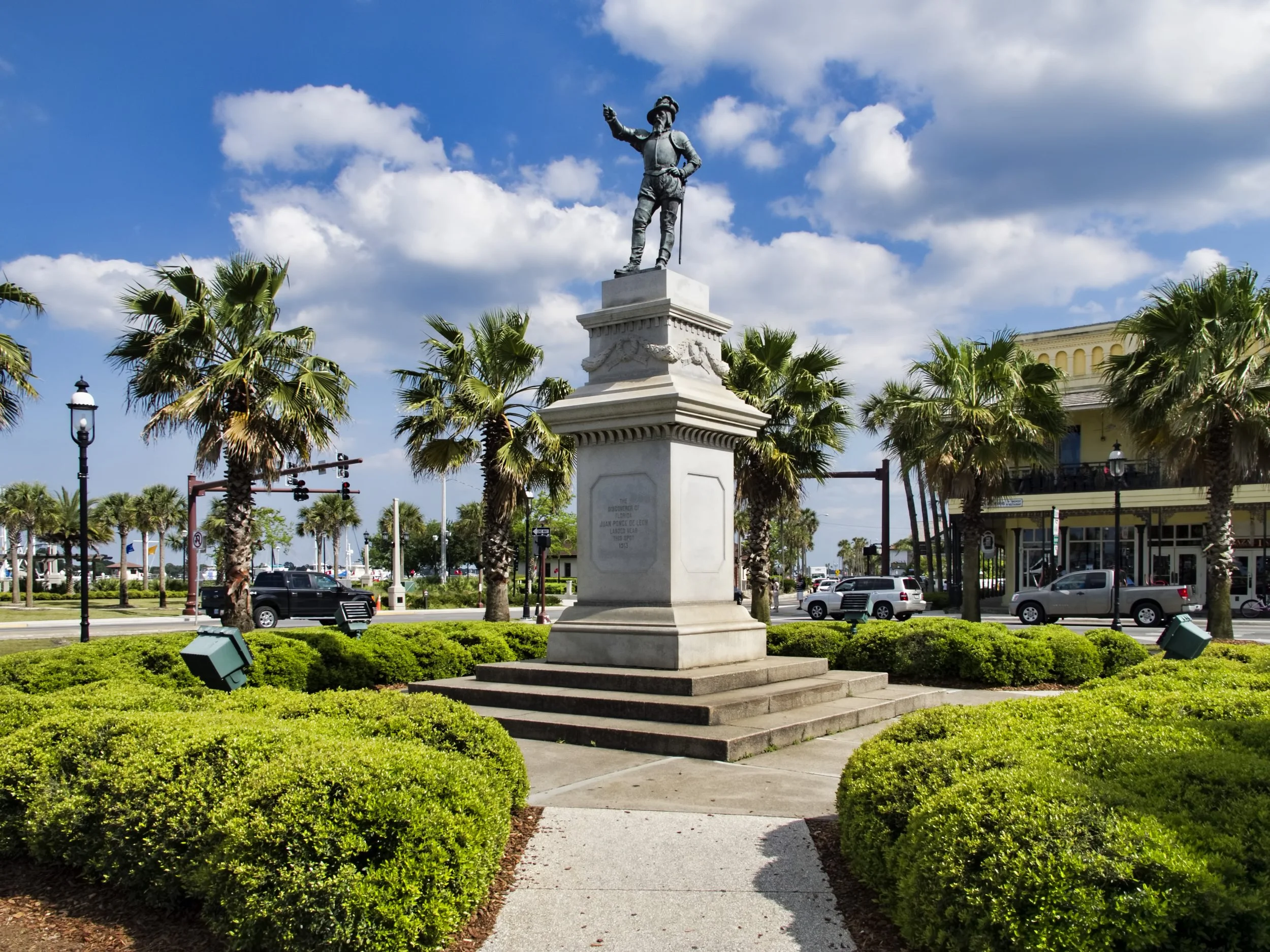
St. Augustine is very walkable, so book somewhere close to the center — Dan Lundberg / Wikimedia Commons / CC 2.0
Where you sleep in St. Augustine dictates your entire experience. Because it is a major tourist destination, the outskirts of the city—specifically along Interstate 95 and US Highway 1—are littered with cheap, generic chain motels.
The Local Tip: Do whatever you can to avoid staying on the highway corridors. Staying out there means you have to drive into the Historic District every day, fight for incredibly scarce parking, and pay exorbitant daily meter fees. It completely kills the magic.
Instead, book a room at one of the countless localized Bed & Breakfasts nestled directly in the Historic District or the slightly quieter, deeply charming Uptown neighborhood (just north of the Castillo).
St. Augustine is one of the most walkable cities in America. There is a specific, slightly spooky thrill to finishing a late dinner, enjoying a local craft cocktail, and then navigating the dark, centuries-old, narrow alleyways on foot to get back to your B&B. It connects you to the city’s history in a way a car ride simply cannot.
5. Speak Like a Local: The St. Augustine Glossary
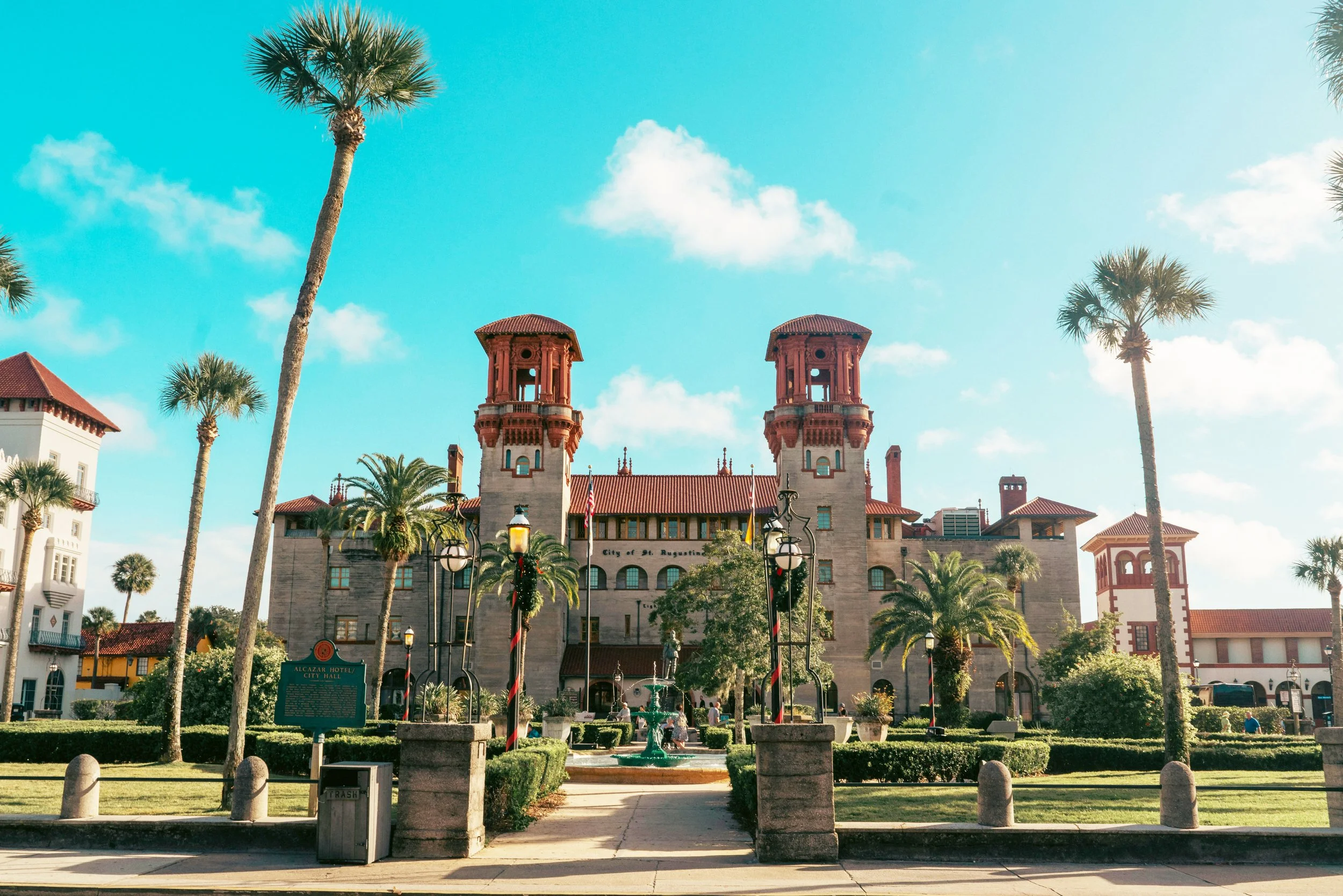
Locals in St. Augustine will base many of their directions around “The Fort” and “Flagler” — Moses Malik Roldan / Unsplash
If you want to blend in and navigate the city seamlessly, you need to know the shorthand. Locals do not use the formal names for the biggest landmarks.
The Fort: If someone gives you directions based on The Fort, they are always talking about the Castillo de San Marcos. (Never call it a castle; it is a military fortification)
Flagler: Henry Flagler built modern St. Augustine. When locals say "Flagler," they usually mean Flagler College, which is housed in the breathtaking, opulent architecture of the former Ponce de Leon Hotel
The Bayfront: This refers to the seawall and promenade running alongside the Matanzas River, technically located along Avenida Menendez. It is the best place to catch the sunrise
The Bridge of Lions: The iconic drawbridge connecting the downtown to Anastasia Island. When the bells start ringing, grab a coffee, because the bridge is going up for a boat, and traffic is stopping completely
6. Taking the Reins: Mastering the Bastions on Your Own Terms
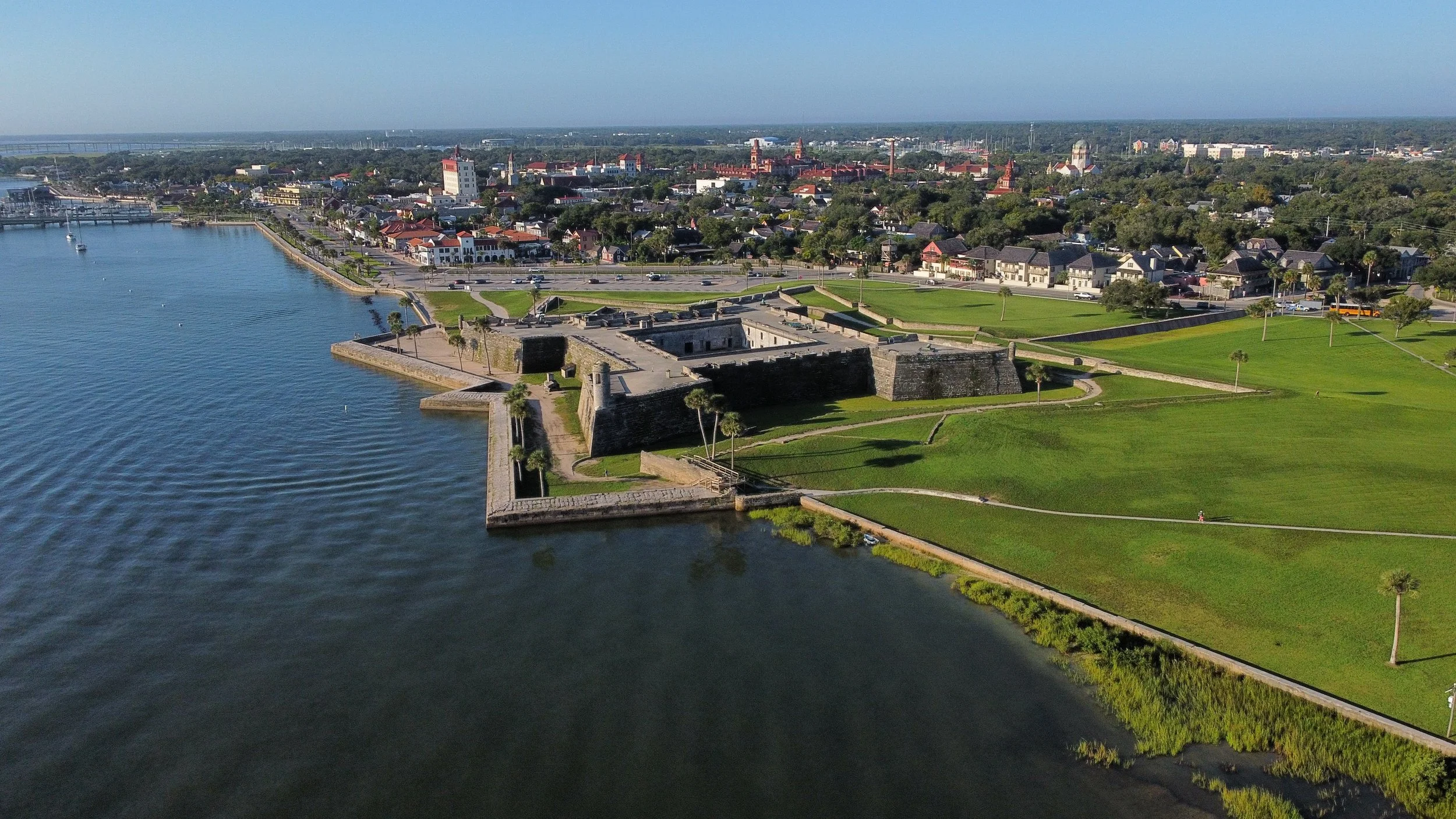
The best way to understand St. Augustine is to explore it at your own pace — Jerry Coli / Pixabay
Understanding the local quirks is only half the battle; how you physically explore the city’s history is the other half. The military history of St. Augustine is unparalleled—it has survived sieges, pirate raids, and imperial handovers.
To truly understand how this city survived, you need to walk its defenses. But you do not need to be herded like cattle to do it.
That is exactly why Drives & Detours created the Bastions of St. Augustine walking tour.
We designed this self-guided audio experience for the independent traveler. You simply download the tour to your smartphone, put your headphones in, and let us guide you via GPS through the profound military architecture of the city. You will start at the imposing Cubo Line, explore the city gates, and walk the perimeter of the Castillo de San Marcos while learning about the devastating 1702 siege.
The best part? You are in complete control.
If you want to pause the audio to grab a Datil pepper slider at a nearby pub, you can. If you want to spend an extra thirty minutes staring out over the Matanzas Bay from a gun deck, no one is going to rush you along. You get all the deep, meticulously researched historical insights of a premium guided tour, with the absolute freedom of independent travel.
Skip the bus. Lose the crowds. Keep the history. Grab your walking shoes, download the Drives & Detours app, and go conquer the Bastions of St. Augustine on your own terms today.