Yellowstone for First-Timers: The Ultimate Local’s Guide to Dodging Crowds and Spotting Wildlife
Skip the Tour Buses and Discover the Real Yellowstone at Your Own Pace With These Insider Tips, Hidden Gems, and Crucial Survival Rules
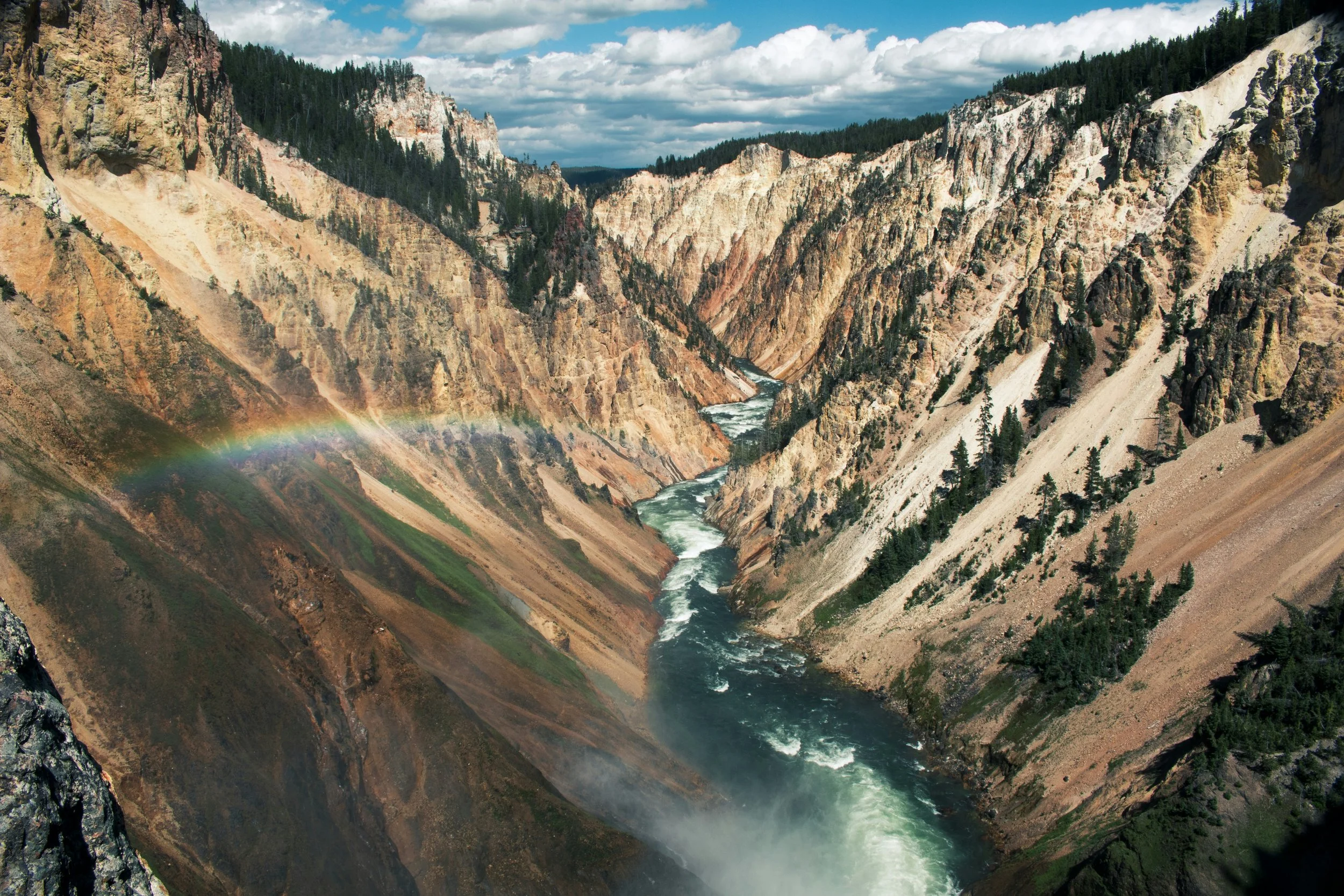
Yellowstone National Park can be overwhelming for first-time visitors — Austin Farrington / Unsplash
Yellowstone National Park is a place of superlatives. It is America’s first national park, sitting on top of a dormant supervolcano, housing over half of the world’s active geysers, and boasting the largest concentration of mammals in the lower 48 states. It is entirely magical—and completely overwhelming for first-time visitors.
If you are planning your first trip, you might be envisioning a serene, quiet drive through the wilderness, pulling over to watch a grizzly bear catch a fish while Old Faithful erupts in the background. The reality? Yellowstone is vast, wildly popular, and subject to unpredictable mountain weather and massive traffic jams caused by wandering bison.
But don't worry. Here at Drives & Detours, we believe the best way to experience Yellowstone is on your own time, at your own pace, and far away from the rigid schedule of a crowded tour bus. We’ve put together this local’s guide to help you navigate the park like a seasoned explorer. From understanding the microclimates to mastering the Grand Loop, here is everything first-timers need to know before hitting the road.
1. Respect the Geography: Mastering the Grand Loop
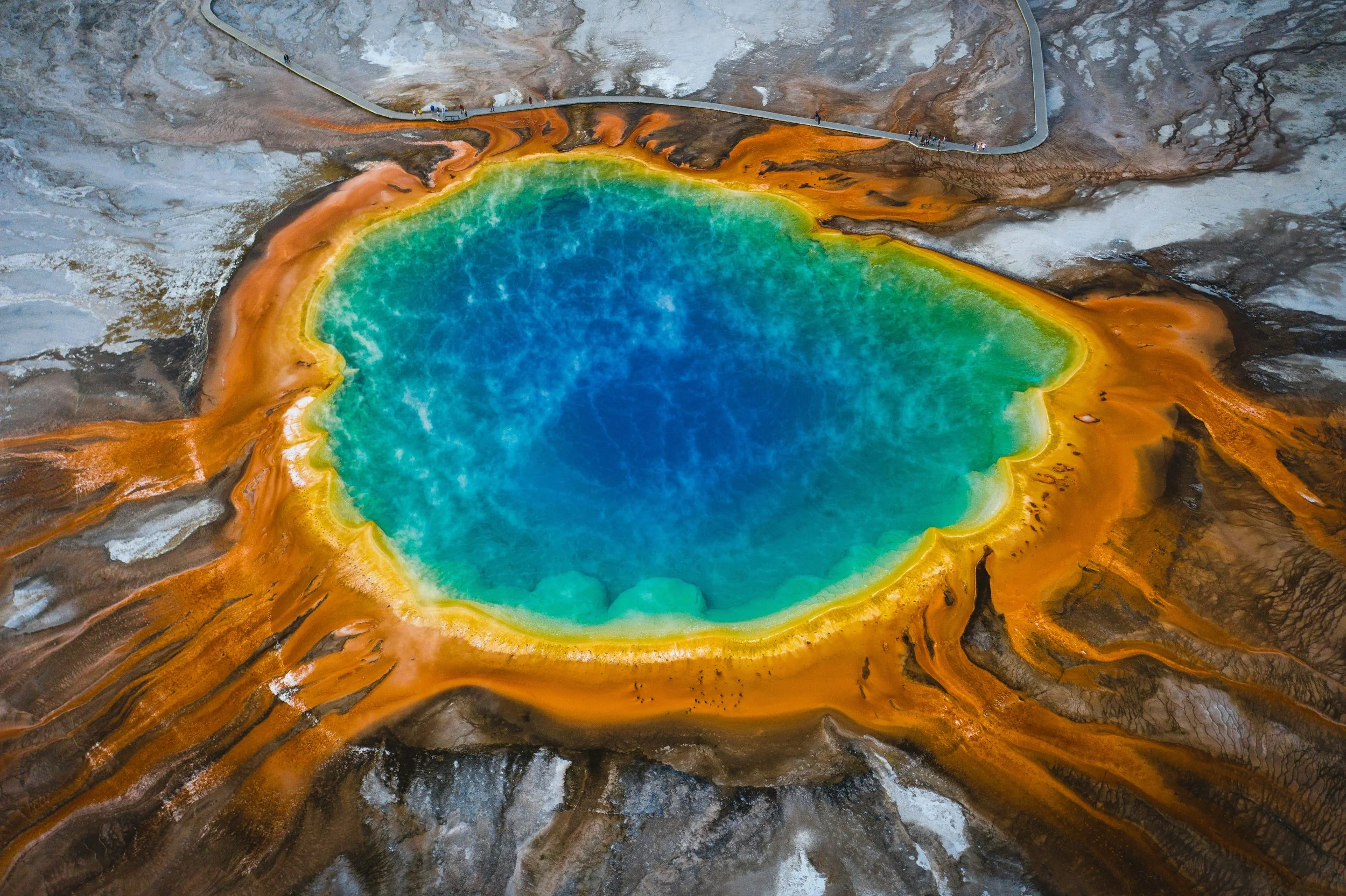
Do not try to conquer the entire Yellowstone Grand Loop in a single day — Denys Nevozhai / Unsplash
The number one mistake first-timers make is underestimating the sheer size of Yellowstone. The park spans nearly 3,500 square miles—larger than the states of Rhode Island and Delaware combined.
The main artery of the park is the Grand Loop Road, a figure-eight highway that connects the park’s major features. The loop is 142 miles long, and while that might sound like a simple three-hour drive on a highway, in Yellowstone, it is an all-day affair.
The speed limit is 45 mph, but you will rarely hit it. You will be sharing the road with slow-moving RVs, and more importantly, you will encounter wildlife jams. When a herd of bison decides to use the road as a walking path, traffic stops completely.
Drives & Detours’ Local Tip: Do not try to conquer the entire Grand Loop in a single day. Break it up. Dedicate one day to the Lower Loop (geysers, hot springs, Old Faithful) and another to the Upper Loop (waterfalls, Mammoth Hot Springs, Lamar Valley).
To make the most of those long drives, you’ll want an expert in the car with you. Our Yellowstone Grand Loop Audio Tour uses your phone's GPS to trigger fascinating stories about the park’s geology, history, and wildlife exactly when you drive past them, turning a traffic jam into a captivating storytelling session.
2. Weather Quirks & Microclimates: Pack for Four Seasons
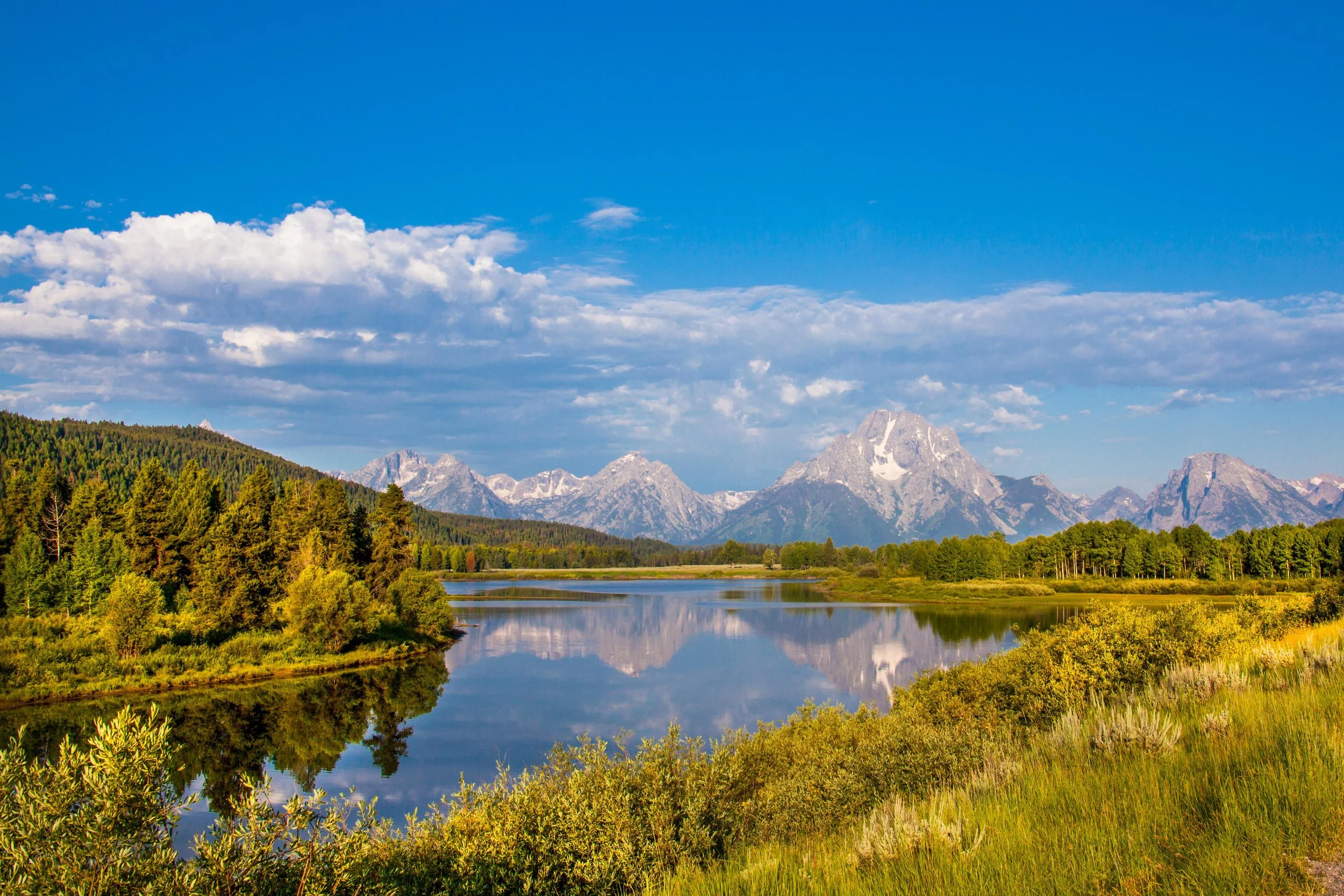
The weather in Yellowstone can change in the blink of an eye — Mohan Nannapaneni / Pixabay
Yellowstone sits at a high elevation, with an average altitude of 8,000 feet above sea level. This creates wild microclimates and weather that can change in the blink of an eye.
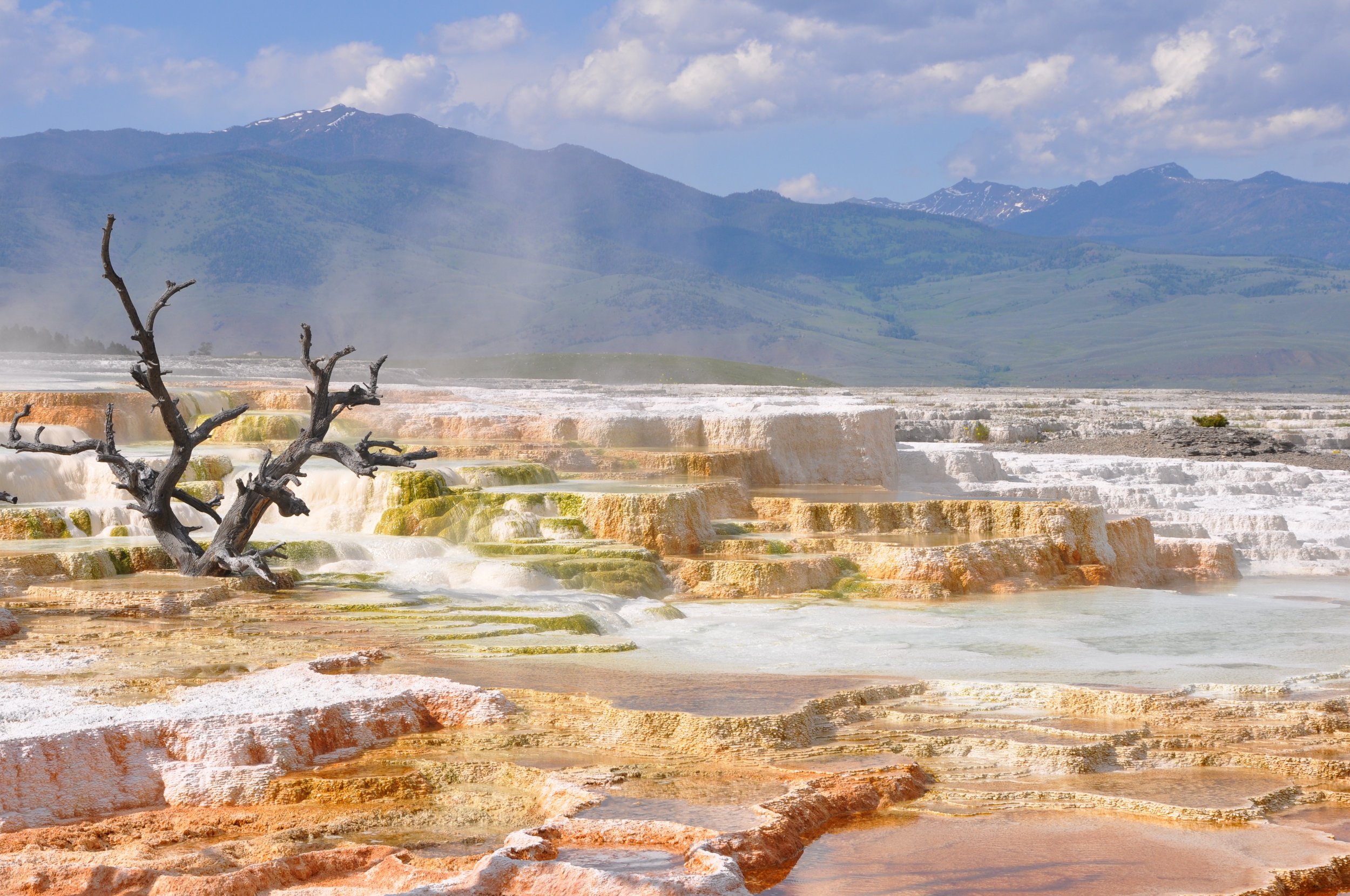
Even in the dead of summer, morning temperatures frequently drop into the 30s or 40s Fahrenheit, while afternoon highs can soar into the 80s. Furthermore, the massive thermal basins—like the Upper Geyser Basin—create their own localized humidity and heat.
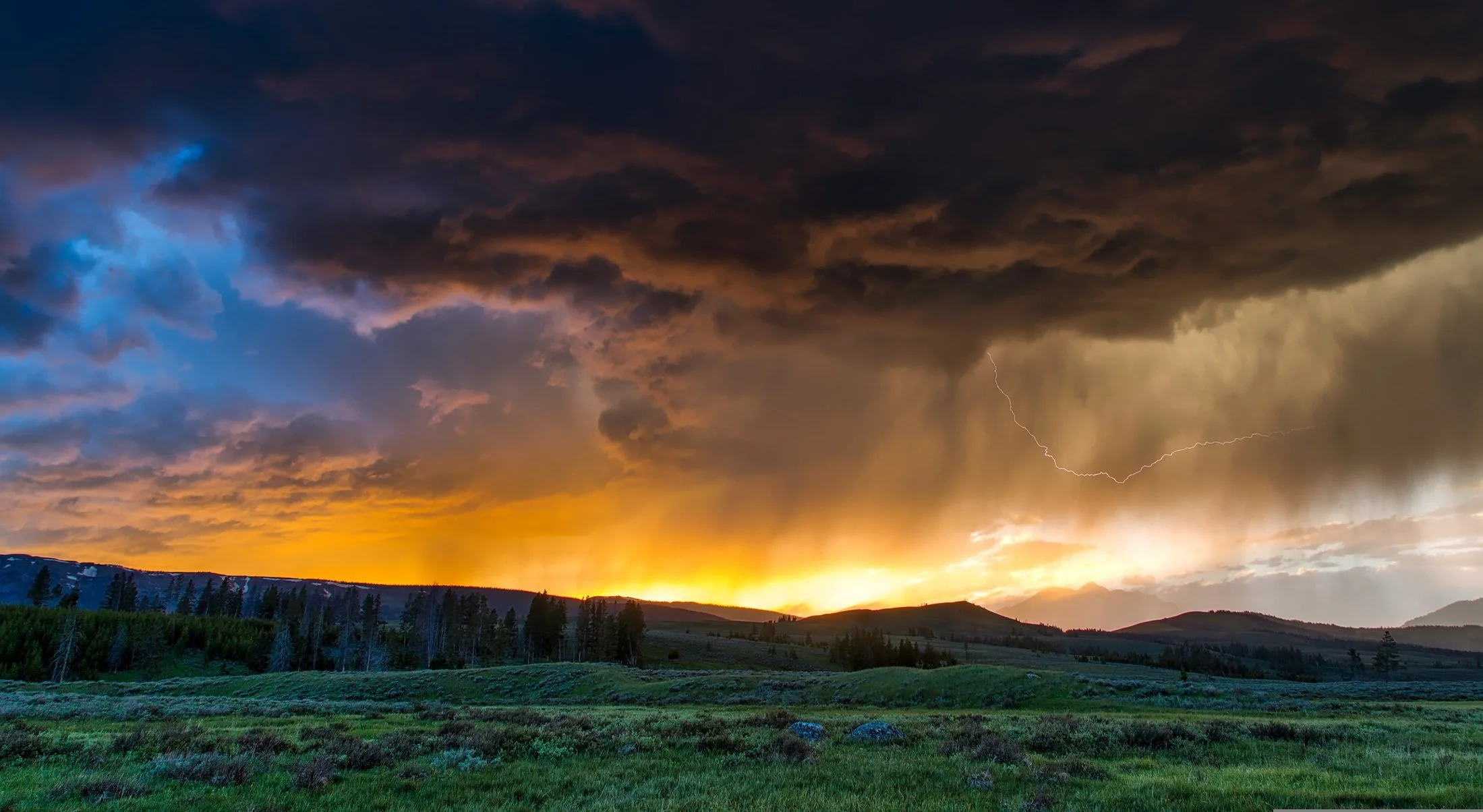
You can be shivering at sunrise in the Lamar Valley and sweating profusely by noon at the Grand Prismatic Spring. Oh, and afternoon thunderstorms are a near-daily occurrence in July and August.
Drives & Detours’ Local Tip: Layering isn't just a suggestion; it is a survival tactic. Start your day with a fleece, a windproof shell, and a beanie. Keep a pair of shorts and a t-shirt handy in the car for the afternoon. And always keep an umbrella or a rain jacket in the trunk.
3. Where to Basecamp: Lodging Dos and Don’ts
Stay inside the park if you have time to book well in advance — jbark44 / Pixabay
Choosing where to stay can make or break your Yellowstone experience. The golden rule is to minimize your driving time.
Where to Stay: If you can book a year in advance, staying inside the park is ideal. Canyon Village is arguably the best strategic location because it sits right in the middle of the figure-eight, giving you equal access to the north and south loops. If you want historical charm, the Old Faithful Inn is a marvel of rustic architecture.
If you are staying outside the park, West Yellowstone, Montana, is the most convenient gateway town. It borders the park’s West Entrance and has plenty of dining and lodging options. Gardiner, Montana, at the North Entrance, is another fantastic, slightly quieter option near Mammoth Hot Springs.
Where to Avoid: Do not book a hotel in Jackson, Wyoming, or Bozeman, Montana, if your primary goal is to explore Yellowstone daily. While these towns are incredible, they are too far away. Commuting from Jackson means driving through Grand Teton National Park and the South Entrance every single morning, adding hours of driving before you even reach Yellowstone’s main attractions.
4. Local Etiquette: Keep Yellowstone Wild
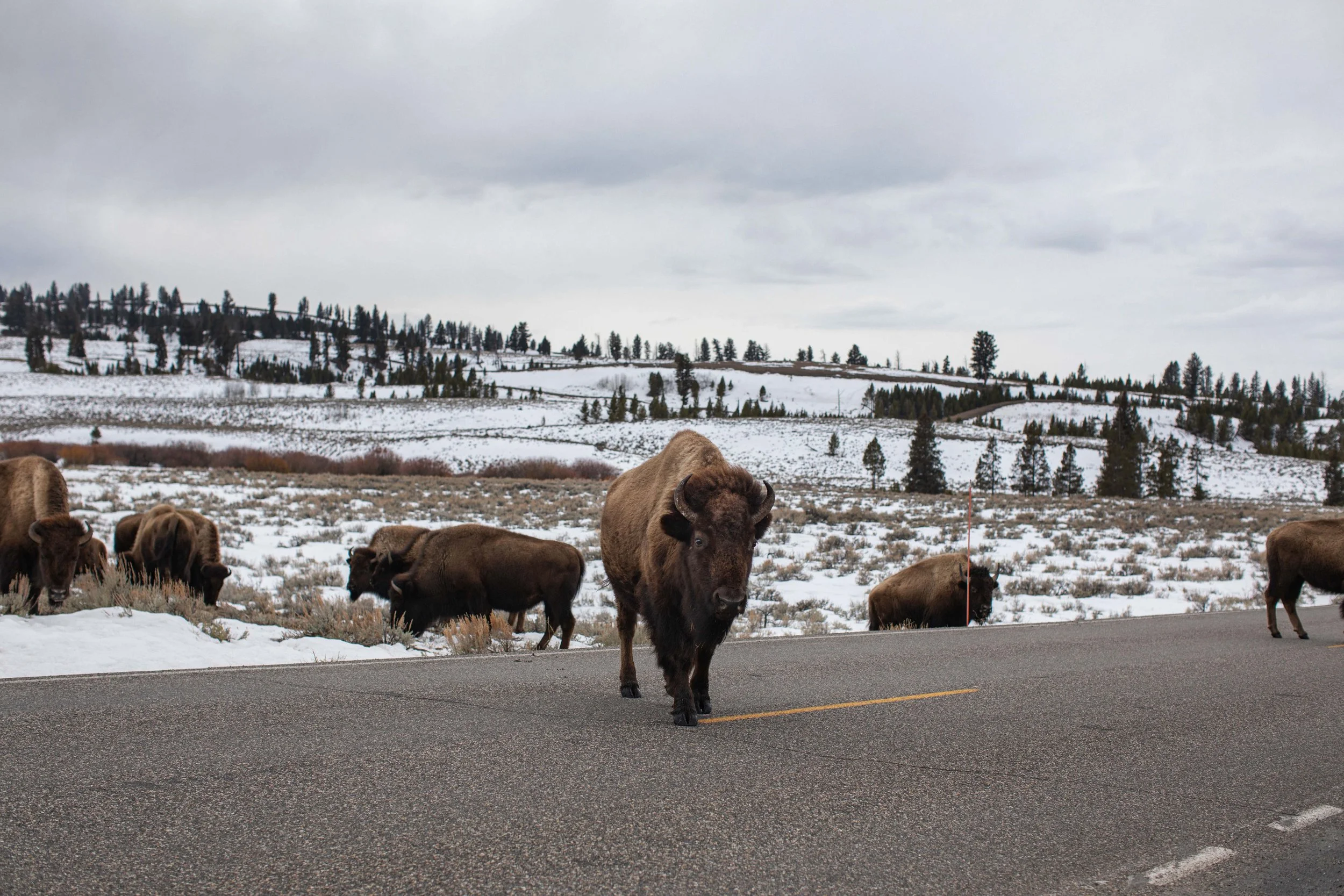
Keep your distance from the bison, seriously — Luke Boelitz / Pixabay
Yellowstone is not a zoo; it is an active wilderness. Every year, tourists make international news for breaking the rules and getting injured. To ensure you have a safe trip and earn the respect of the locals and park rangers, follow these vital rules:
Don't Pet the Fluffy Cows: Bison may look slow and docile, but they can sprint up to 35 mph and are incredibly territorial. The National Park Service mandates that you must stay at least 25 yards away from bison, elk, and moose, and 100 yards away from bears and wolves. If an animal approaches your car, keep your windows rolled up and do not honk
Carry Bear Spray (And Know How to Use It): Whether you are doing a remote backcountry hike or walking a popular trail near Canyon Village, carry bear spray. You can rent it in towns outside the park or at the visitor centers if you are flying in and cannot bring it on an airplane
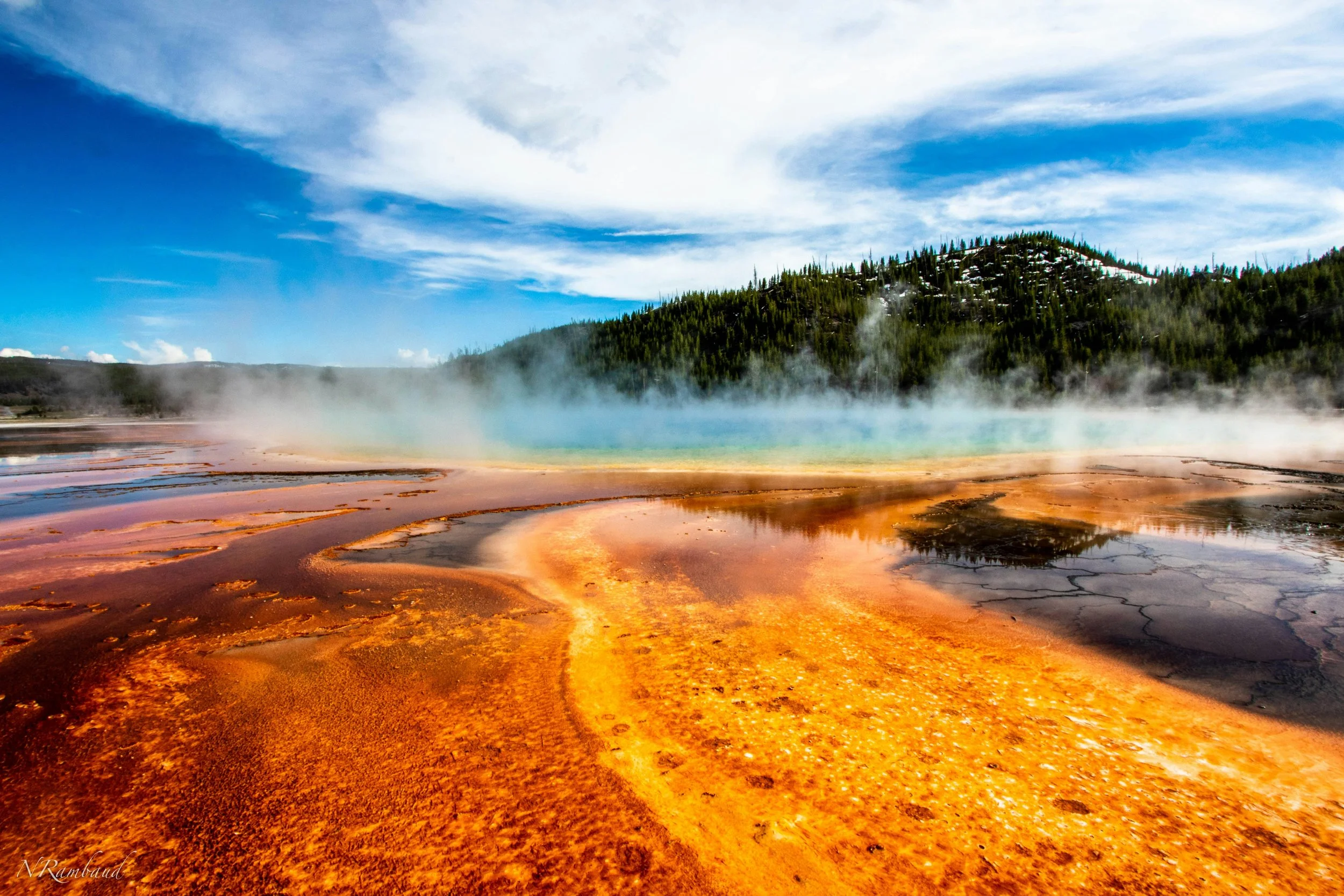
Stay on the Boardwalks: The ground around thermal features is just a thin crust of earth over boiling, acidic water. Stepping off the boardwalk is not only illegal and highly destructive to the delicate bacterial mats, but it is also deeply dangerous. Stay on the path
5. First-Timer Mistakes to Overlook
Drives & Detours audio tour works completely offline once downloaded — Nicolas In Travel / Unsplash
When you are setting your own itinerary, it's easy to overlook the practicalities. Here are a few things most first-timers miss:
You Won't Have Cell Service: Do not rely on Google Maps to navigate the park in real-time. Cell reception is practically nonexistent outside of the major visitor centers. Download offline maps before you enter the park. (Don't worry, the Drives & Detours audio tour works completely offline once downloaded!)
Dining is Sparse: There are no drive-thrus or quick-stop convenience stores on the Grand Loop. The dining rooms get incredibly crowded at lunchtime. The best move? Hit a grocery store in West Yellowstone or Gardiner before entering the park, pack a cooler with sandwiches, and enjoy a private picnic overlooking Yellowstone Lake
The Early Bird Gets the Geyser: The park gets congested between 10:00 AM and 4:00 PM. If you want to see Grand Prismatic Spring without fighting for a parking spot, or if you want to spot wolves in the Lamar Valley, you need to be in the park by sunrise
6. Local Eats & Family Favorites
Huckleberry Ice Cream is a local favorite that everyone should try — Pixabay
While you should skip the national chains, there are a few iconic Yellowstone treats you shouldn't miss. Keep an eye out for Huckleberry Ice Cream at the park’s general stores—it’s a tart, sweet local favorite.
If you want a unique family dinner, look into booking the Roosevelt Lodge Old West Dinner Cookout, where you ride a horse or a covered wagon out to a canyon for steak, baked beans, and cowboy coffee.
For families with young explorers, do not skip the Junior Ranger Program. You can pick up a booklet at any visitor center for a small fee. It gives kids a set of engaging, educational tasks to complete around the park, culminating in them being sworn in by a Park Ranger and receiving an official badge.
7. The Ultimate Freedom: Exploring at Your Own Pace
Discover Yellowstone with Drives & Detours — Amy Spielmaker / Pixabay
Yellowstone is too majestic to be rushed. You don't want to be forced back onto a crowded tour bus right when a bald eagle swoops over the Yellowstone River, and you don't want to be rushed through the geyser basins by a guide waving an umbrella.
You deserve to explore on your own time, pulling over whenever a scenic turnout catches your eye. But exploring on your own doesn't mean you have to miss out on the park's rich secrets.
With the Drives & Detours Yellowstone Grand Loop Audio Tour, you get the best of both worlds. You provide the car and the schedule; we provide the deep local knowledge, the fascinating geology lessons, and the hidden histories—all playing automatically through your car speakers as you drive.
Ready to hit the road? Pack your binoculars, fill up your gas tank, and let Drives & Detours guide you through the wild heart of America.