Ditch the Crowds and Explore the Salmon Capital of the World at Your Own Pace
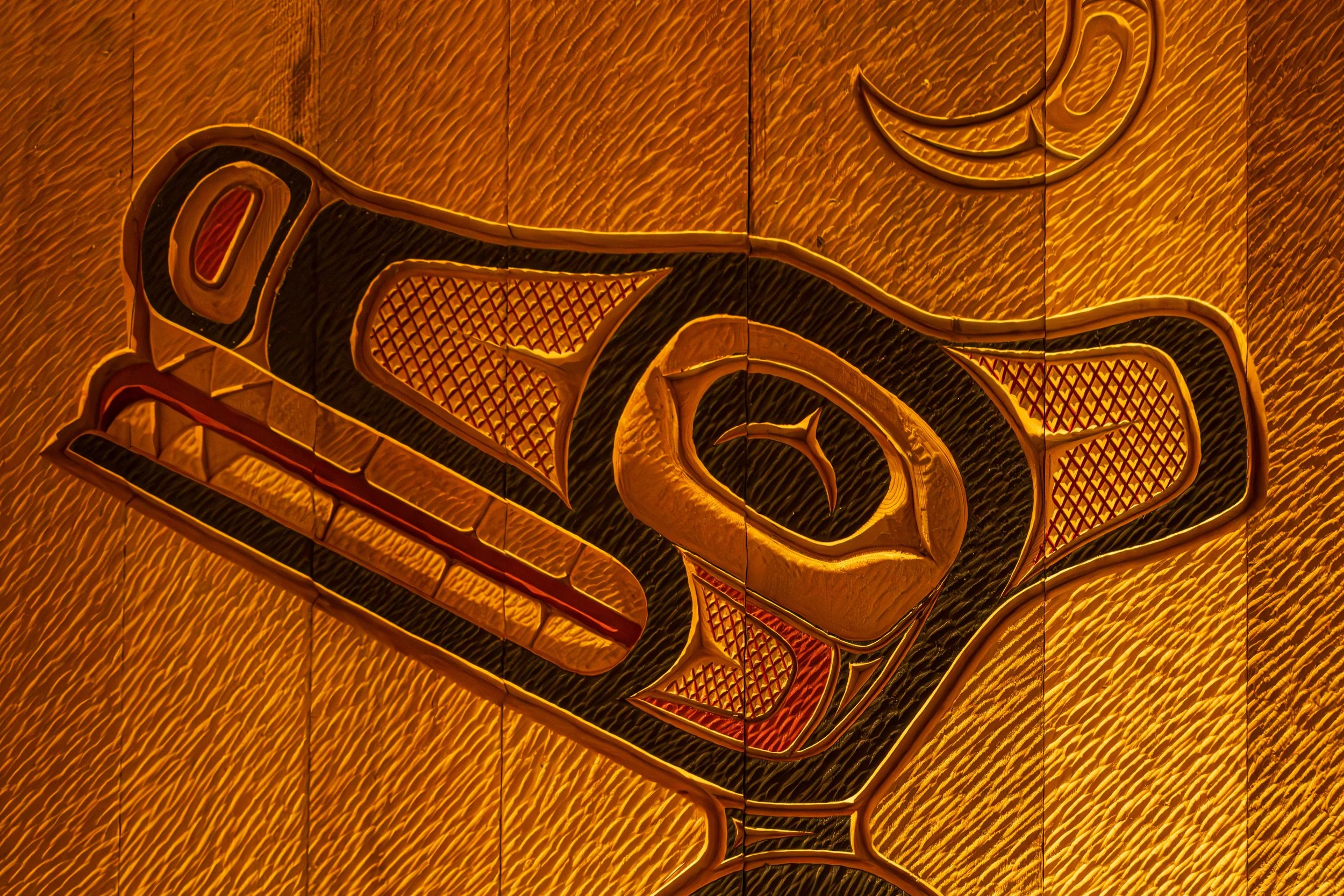
Ketchikan is defined by its vibrant history, rich Indigenous culture, and breathtaking natural beauty — Joseph Corl / Unsplash
Nestled in the heart of the Tongass National Forest, Ketchikan, Alaska, is a city defined by its vibrant history, rich Indigenous culture, and breathtaking natural beauty. Known as the Salmon Capital of the World, this frontier town offers an unforgettable blend of lush rainforest ecosystems, historic boardwalks, and the largest collection of standing totem poles on the globe. For independent travelers, Ketchikan is a destination that demands to be explored deeply and on your own terms.
At Drives & Detours, we know that the modern traveler doesn't want to be herded onto a crowded bus or forced to chase a tour guide's umbrella before they have finished taking in a historic landmark. You want to gain a deep, authentic knowledge of your location. You want to linger where you want to linger, pause for a cup of local coffee, and travel entirely on your own schedule. That’s why we focus on self-guided exploration.
Whether you are arriving by cruise ship or flying in for a prolonged Alaskan adventure, Ketchikan has a handful of iconic attractions that simply cannot be missed. Based on widespread acclaim from travelers and cultural experts alike, here are the top six sights and attractions to experience in Ketchikan, Alaska.
Ketchikan Unveiled: Salmon, Cedar, and Smugglers' Coves
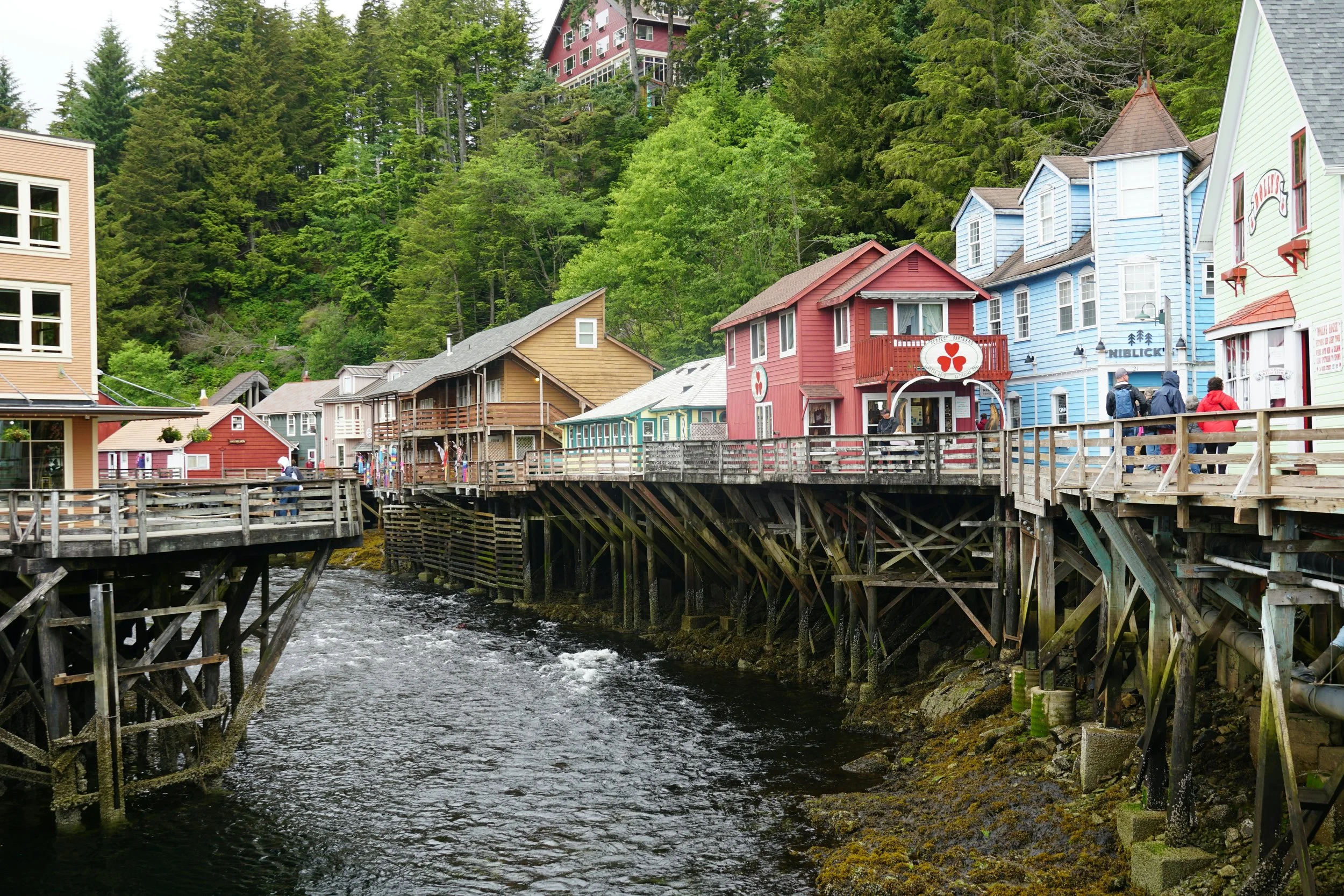
Discover Ketchikan at your own pace with Drives & Detours — Sheila C / Unsplash
Forget the crowded tour buses and rigid itineraries. Here is your cheat sheet to the absolute best of Ketchikan, designed for the independent traveler ready to explore at their own pace.
Creek Street Boardwalk: Wander this antique wooden path suspended over rushing waters, where spawning salmon swim below and tales of prohibition-era bootlegging linger in the air
Dolly's House Museum: Step into a perfectly preserved 20th-century time capsule that offers an unfiltered, historical look into Ketchikan's rough-and-tumble frontier days
Totem Heritage Center: Stand before weathered, 19th-century Tlingit and Haida totem poles in a serene museum setting dedicated to preserving authentic Indigenous masterpieces
Tongass National Forest Gateway: Dive into the complex ecosystems of the world's largest temperate rainforest at the interactive Southeast Alaska Discovery Center before heading into the wild
Saxman Native Village: Observe master carvers shaping massive cedar logs and explore two dozen monumental poles in a living, breathing Tlingit community just outside of town
Totem Bight State Park: Escape the downtown bustle to walk tranquil coastal trails that lead to a spectacular, full-sized replica of a traditional Native Clan House
Self-Guided Freedom: Experience the rich history of the boardwalks on your own schedule with Drives & Detours' GPS-triggered Creek Street audio guide
1. Historic Creek Street
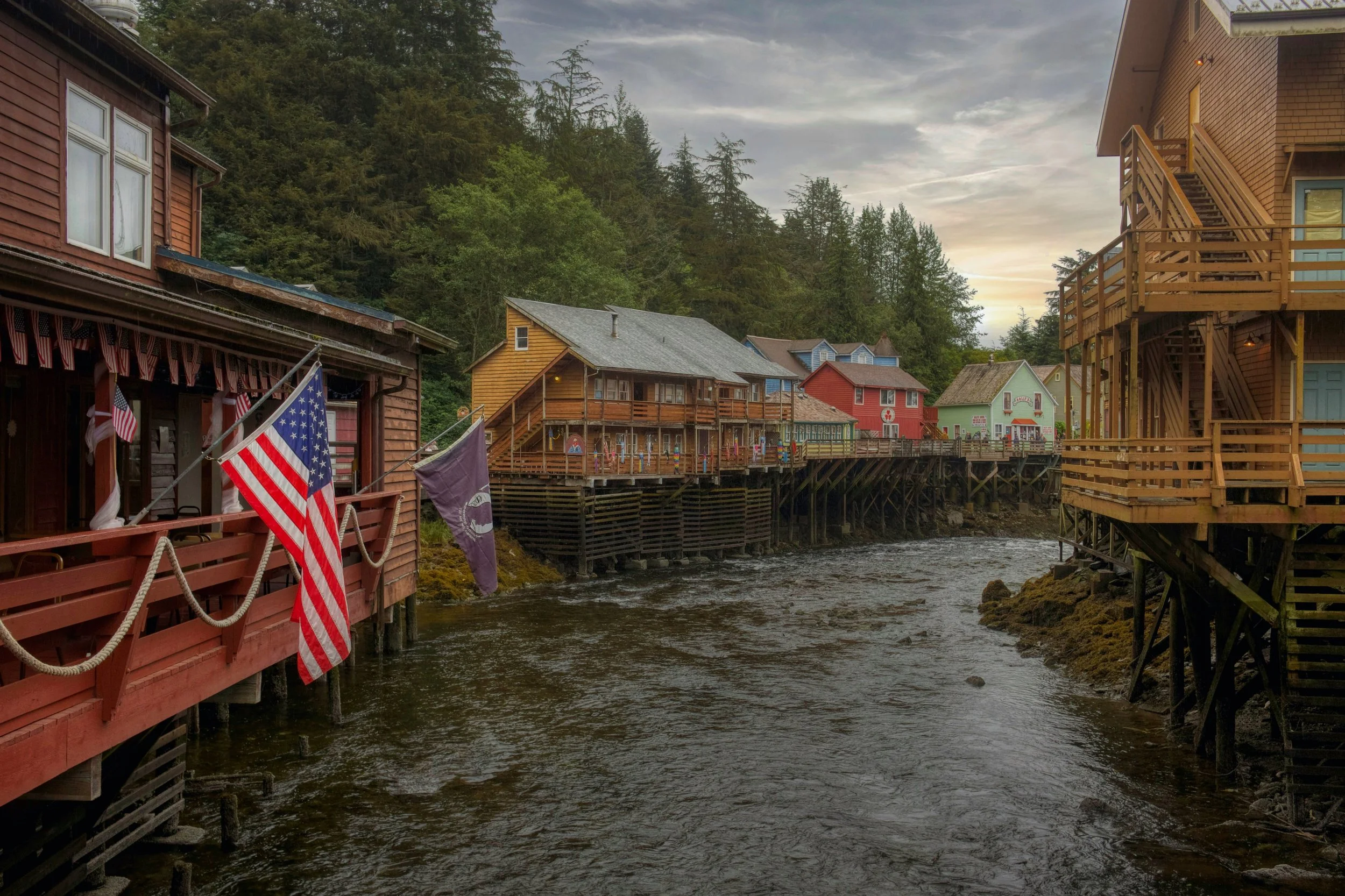
Creek Street is the iconic heartbeat of Ketchikan — Yuval Zukerman / Unsplash
There is no location in Ketchikan more iconic than Creek Street. Suspended on wooden pilings directly over Ketchikan Creek, this antique boardwalk is the beating historic heart of the city. During the first half of the 20th century, Creek Street served as the town’s notorious red-light district, catering to fishermen, loggers, and miners looking for entertainment.
During Prohibition, it became a clandestine haven for bootleggers who would smuggle whiskey up through trapdoors built right into the floorboards above the rushing creek.
Today, the brothels and speakeasies have been transformed into charming local boutiques, art galleries, and cafes. In the late summer, the creek itself turns black with thousands of spawning salmon fighting their way upstream.
To truly understand the scandals, the history, and the vibrant characters that walked these wooden planks, there is no better way to explore than with the Creek Street Ketchikan audio tour by Drives & Detours.
Instead of straining to hear a guide over the chatter of a large group, you can plug in your headphones and let the rich stories of Ketchikan’s past unfold in your ears. Our GPS-triggered audio guide ensures you won't miss a single detail, and because you are in control, you can hit pause anytime to photograph a jumping salmon or step into a local shop.
2. Dolly's House Museum
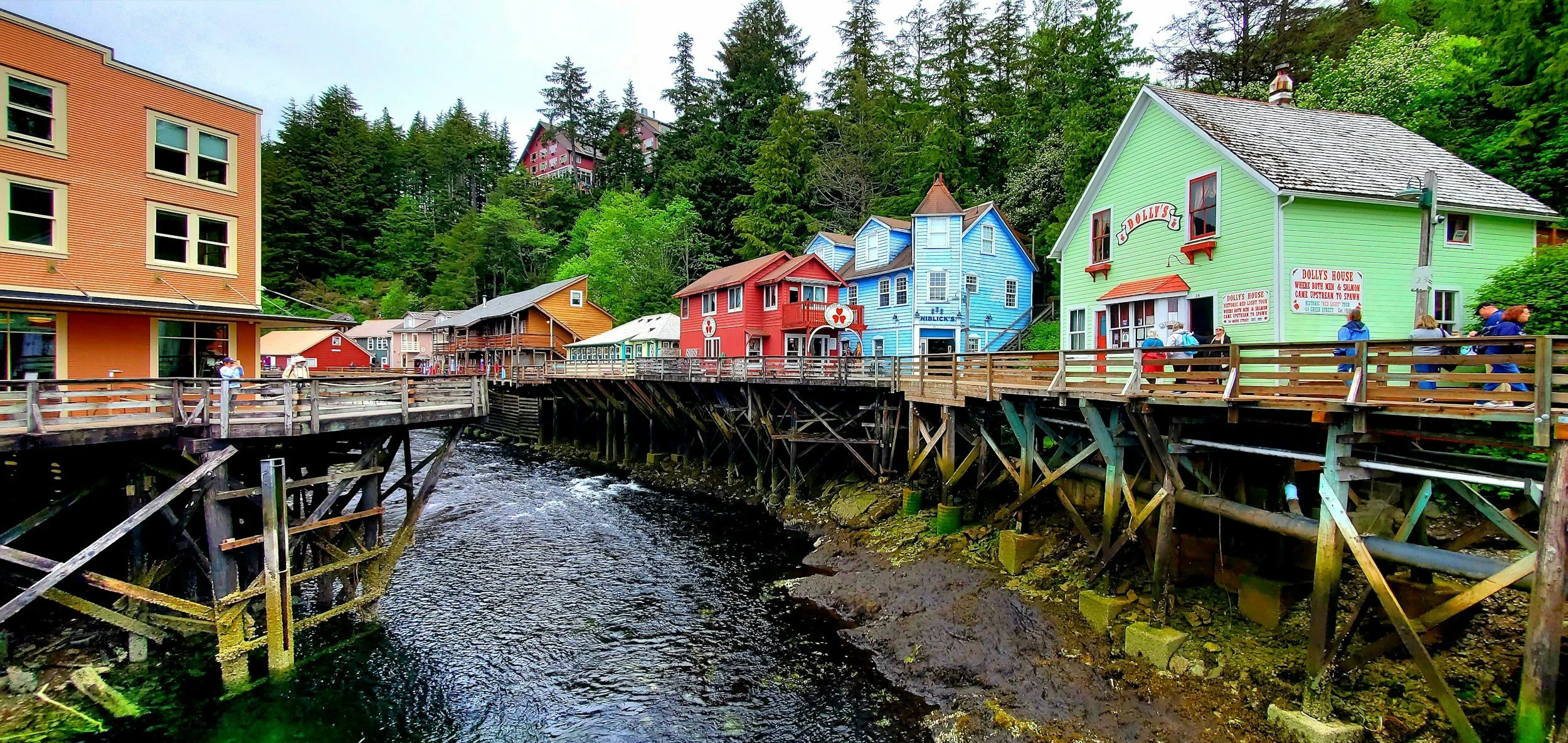
Dolly’s House Museum offers a fascinating glimpse into the life of Ketchikan’s most famous madam — Eddie Quintero / Unsplash
Located right on Creek Street at number 24, Dolly’s House Museum offers a fascinating and unfiltered glimpse into Ketchikan’s vibrant past. Dolly Arthur was one of Creek Street’s most famous madams, operating her establishment from 1919 all the way until 1973. Her former home has been preserved exactly as she left it, providing a colorful time capsule of the gold rush and logging eras.
Stepping inside Dolly's House means stepping back into a time when Ketchikan was a rough-and-tumble frontier town. Visitors can see her original furnishings, vintage clothing, and even the infamous secret compartments used to hide liquor during Prohibition.
It is a cornerstone of the Creek Street experience, adding historical context to the boardwalk's colorful reputation. Exploring it at your own pace allows you to take in the quirky details and antiques without feeling rushed by a rigid timeline.
3. Totem Heritage Center
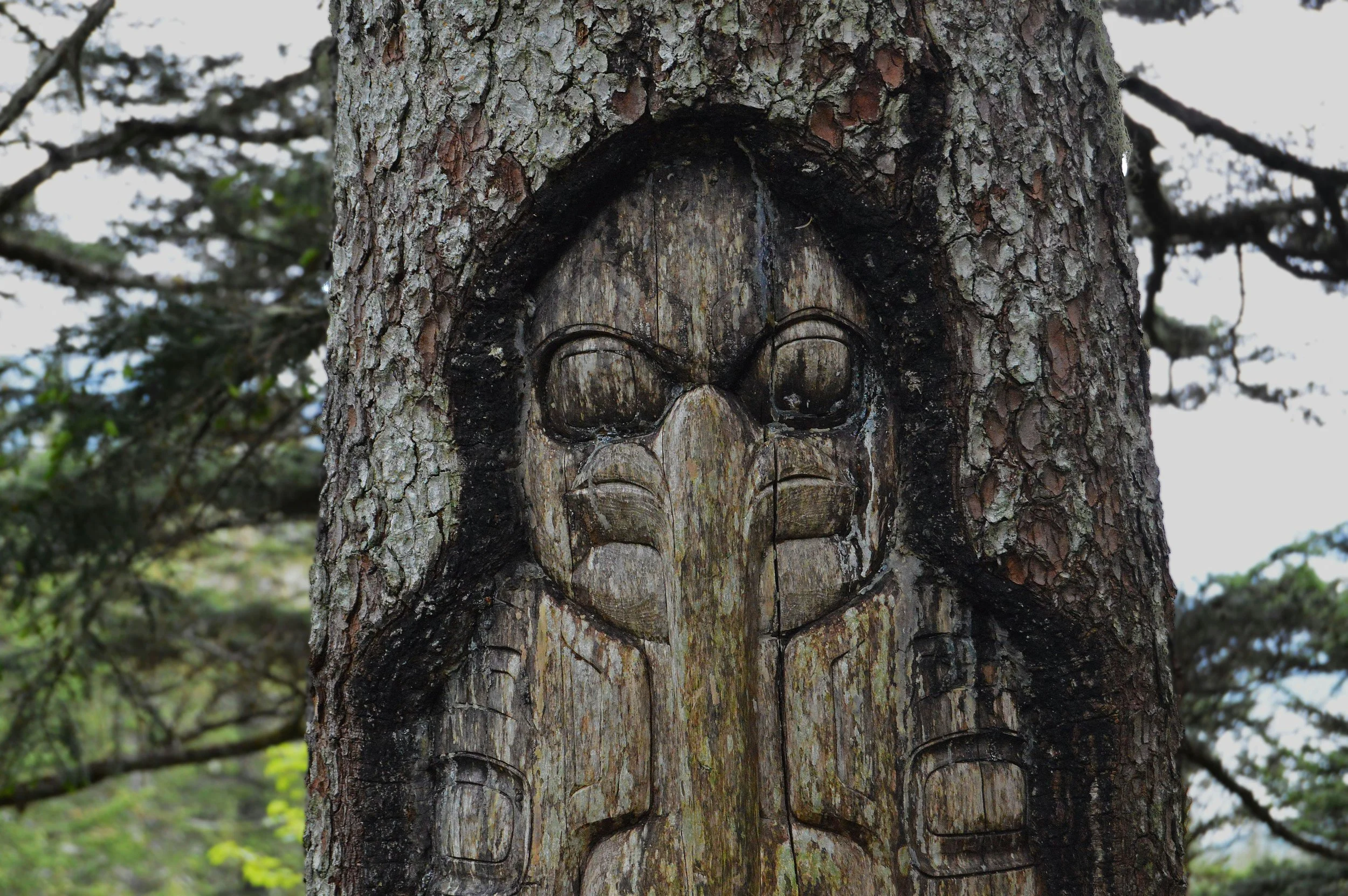
The Totem Heritage Center was created to preserve endangered 19th-century totem poles — Jonathan Skule / Unsplash
Ketchikan boasts the largest collection of standing totem poles in the world, and the Totem Heritage Center is the absolute crown jewel of this cultural legacy. Established in 1976, this world-class museum was created to preserve endangered 19th-century totem poles retrieved from uninhabited Tlingit and Haida village sites like Tongass Islands and Old Kasaan.
Unlike the freshly painted poles you might see elsewhere, the poles inside the Totem Heritage Center are beautifully weathered, standing in a serene, almost spiritual museum-quality environment that highlights their intricate carvings and historical significance.
The center goes beyond just displaying the poles; it actively preserves and teaches traditional Alaska Native arts. Visiting the Heritage Center is a profoundly moving experience that offers deep insight into the enduring culture and artistry of Southeast Alaska's Indigenous peoples.
4. Southeast Alaska Discovery Center
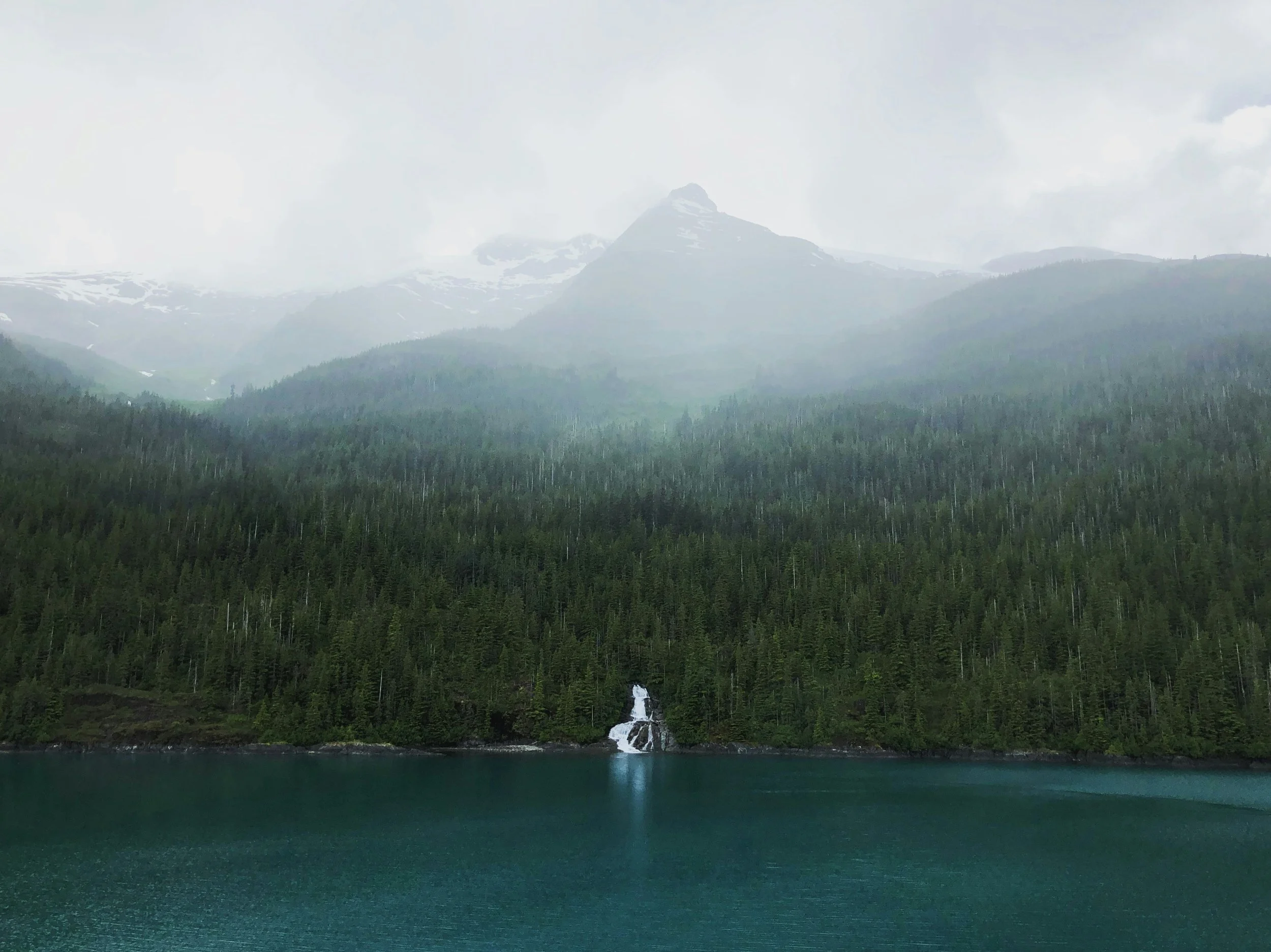
The Southeast Alaska Discovery Center explores the ecosystems of the rainforest that surrounds Ketchikan — Riley / Unsplash
If you want to understand the environment that shaped Ketchikan, the Southeast Alaska Discovery Center is an essential stop. Situated just a block away from the downtown cruise ship berths, this expansive facility is operated by the U.S. Forest Service and serves as the ultimate gateway to the Tongass National Forest—the largest intact temperate rainforest in the world.
Through highly interactive exhibits and stunning dioramas, the center explores the complex ecosystems of the rainforest, the deep traditions of the native communities who have stewarded the land for millennia, and the modern industries of fishing, timber, and tourism. It’s an educational powerhouse that provides vital context for everything else you will see in Ketchikan.
Independent travelers love this attraction because it allows you to wander through the exhibits as slowly as you like, absorbing the fascinating environmental science before venturing out into the actual wilderness.
5. Saxman Native Village and Totem Park
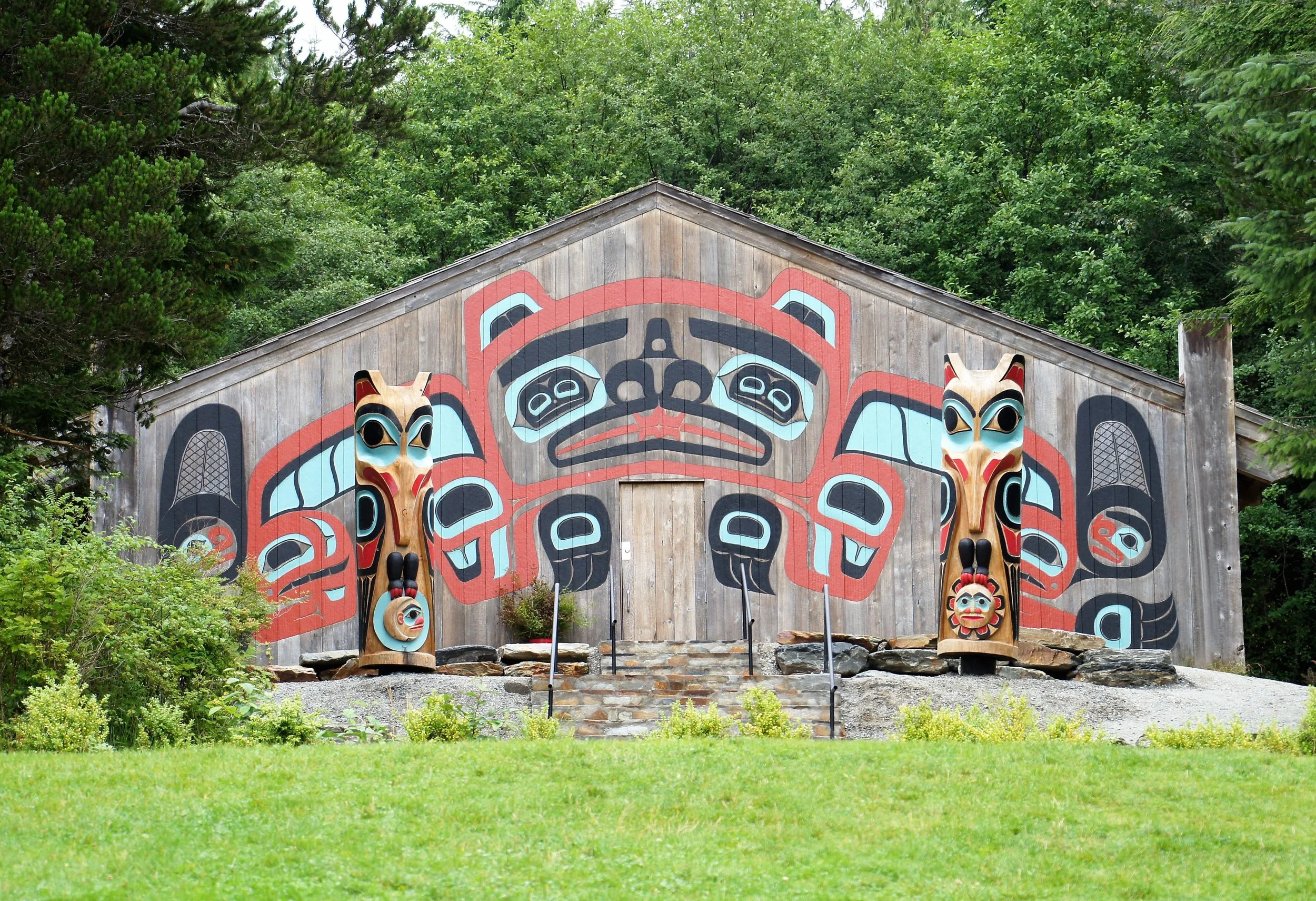
Saxman Native Village holds two dozen masterfully carved totem poles — RD Shanky / Pixabay
Just two and a half miles south of downtown Ketchikan lies Saxman Native Village, an incorporated Tlingit community that is home to a magnificent Totem Park. The park features two dozen masterfully carved totem poles, many of which were brought here from abandoned villages around the Southeast and carefully restored or replicated during the 1930s.
Saxman offers a rare opportunity to witness traditional Tlingit culture in a living, breathing community. The site includes a traditional carving shed where visitors can often watch master carvers at work, shaping massive cedar logs into stunning works of art.
While many large cruise excursions herd hundreds of people through Saxman at once, arriving independently allows you to take a quiet, reflective walk among the towering monuments and appreciate the profound stories carved into the wood.
6. Totem Bight State Historical Park
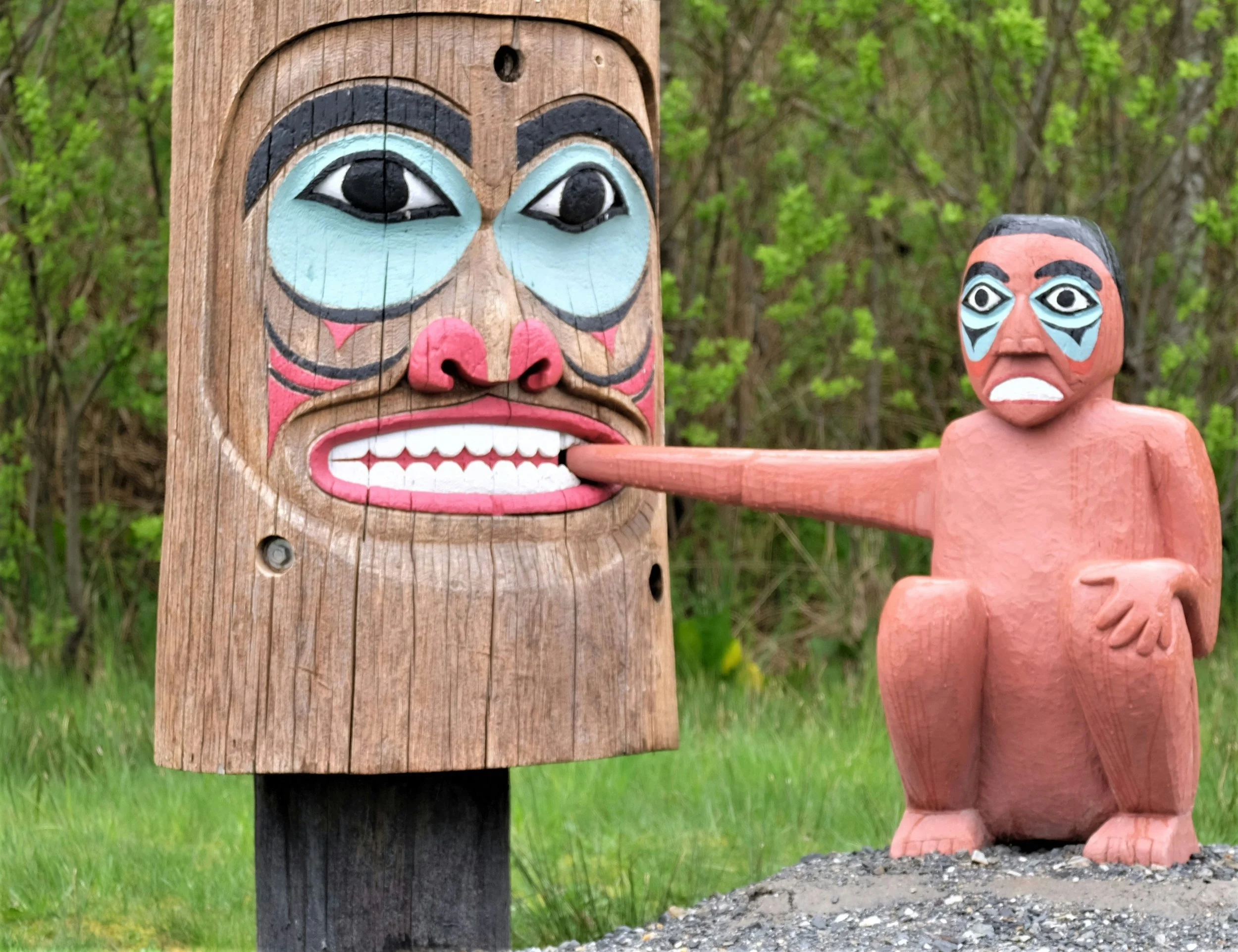
Totem Bight State Historical Park is a breathtaking coastal reserve — Bruce Warrington / Unsplash
Located outside of the immediate downtown area, Totem Bight State Historical Park is a breathtaking coastal reserve that feels a world away from the bustling docks. Set against the stunning backdrop of the Tongass Narrows, this park was another 1930s initiative designed to salvage and reconstruct traditional Native totem poles that were being lost to the encroaching forest.
Today, the park features a beautifully forested trail that winds past a collection of intricately carved totem poles and culminates at a spectacular, full-sized replica of a traditional Native Clan House. The setting alone makes it one of the most photogenic spots in Ketchikan. Navigating Totem Bight on your own schedule allows you to escape the dense crowds, walk the tranquil coastal paths, and soak in the majestic Alaskan scenery in total peace.
Discover Ketchikan on Your Own Time

Explore Ketchikan independently with Drives & Detours — Steve Wrzeszczynski / Unsplash
Ketchikan is a city of layered history, vibrant cultures, and untamed nature. It is not a place that should be rushed. To truly appreciate the stories embedded in the cedar totem poles, the history echoing off the wooden planks of Creek Street, and the sheer scale of the Tongass National Forest, you need the freedom to explore independently.
With Drives & Detours, you can step away from the rigid itineraries and massive tour groups. Download the Creek Street Ketchikan audio tour today, and unlock the freedom to discover Alaska's most fascinating city at your own pace, on your own time, and exactly the way you want to see it.
Frequently Asked Questions About Ketchikan, Alaska
How do I get to the totem parks if I don't want to take a cruise excursion?
While Creek Street and the Discovery Center are right downtown and easily walkable from the docks, Saxman Native Village and Totem Bight are a few miles out. Independent travelers can easily catch the local municipal bus (the Silver or Blue lines) or grab a taxi to explore these sites without the rigid schedules of a large tour group.
When is the best time to see the salmon running under Creek Street?
Late summer is prime time. Between mid-July and September, Ketchikan Creek is teeming with thousands of salmon fighting their way upstream to spawn. The boardwalks offer a perfect, elevated vantage point to watch the run.
Do I need cell service to use the Drives & Detours audio tour?
No. You can download the Creek Street audio tour to your smartphone ahead of time. The app uses your phone's internal GPS to trigger the stories as you walk, meaning you don't have to rely on spotty cell service or expensive roaming data while exploring.
What is the difference between the Totem Heritage Center and Totem Bight State Park?
The Totem Heritage Center is an indoor museum preserving fragile, original 19th-century poles retrieved from abandoned villages—it is a deeply historical and spiritual environment. Totem Bight is an outdoor coastal park featuring poles and a Clan House that were masterfully replicated or restored during a 1930s conservation project, offering a beautiful hike in a natural setting.
What is the story behind the trapdoors on Creek Street?
During Prohibition, Creek Street was a haven for bootleggers. Smugglers would use the high tides of Ketchikan Creek to row small boats directly underneath the suspended boardwalks, quietly passing whiskey up through secret trapdoors built into the floorboards to supply the local speakeasies.
Do I really need rain gear for Ketchikan?
Absolutely. Ketchikan sits right in the heart of the Tongass National Forest, which is a massive temperate rainforest. The city receives over 150 inches of precipitation a year. Pack a quality waterproof jacket and comfortable, water-resistant walking shoes so you can linger at the outdoor sites comfortably, rain or shine.