The History of Harpers Ferry: A Crossroads of Conflict and Nature
Don’t Just Read About History—Experience It. Discover the Mid-Atlantic’s Most Pivotal, Picturesque, and Fiercely Contested River Town
There are few places in the United States where geography and destiny collide as violently—and as beautifully—as they do in Harpers Ferry, West Virginia. Tucked into a dramatic gorge where the Potomac and Shenandoah rivers crash together, this picturesque town looks like a painting but reads like an action thriller.
Thomas Jefferson once stood upon a rock overlooking this very confluence and declared the view: "Worth a voyage across the Atlantic." But the very geography that creates these breathtaking vistas also created a strategic bottleneck. Because of its location, Harpers Ferry became the site of a national armory, the flashpoint that ignited the American Civil War, a strategic nightmare for military commanders, and a pioneering ground for civil rights.
If you are looking for a destination that seamlessly blends staggering natural beauty with pivotal American history, you have found it.
Quick Facts: What is Harpers Ferry Famous For?
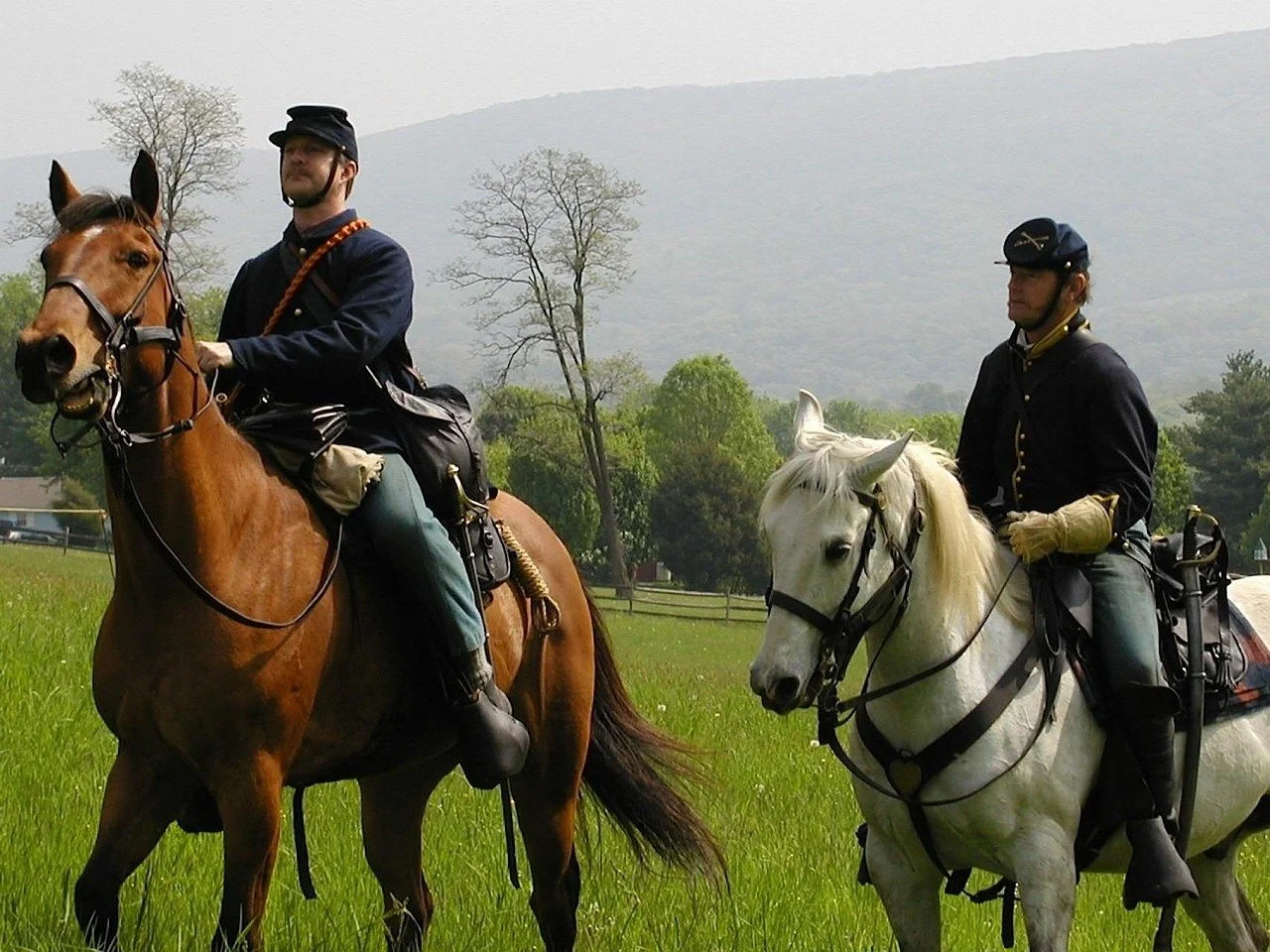
The strategic location of Harpers Ferry threw it into the center of the Civl War — Pixabay
A Presidential Foundation: In 1799, George Washington personally selected Harpers Ferry as the site for the second United States Armory and Arsenal
The Spark of the Civil War: In 1859, abolitionist John Brown led a daring—and doomed—raid on the armory, pushing the fractured nation to the brink of war
A Highly Contested Prize: Because of its strategic location and railroad access, Harpers Ferry changed hands between Union and Confederate forces eight times during the Civil War
The Largest Union Surrender: In 1862, Confederate General "Stonewall" Jackson captured the town and 12,500 Union soldiers—the largest surrender of US troops until World War II
George Washington and the National Armory (1799–1859)
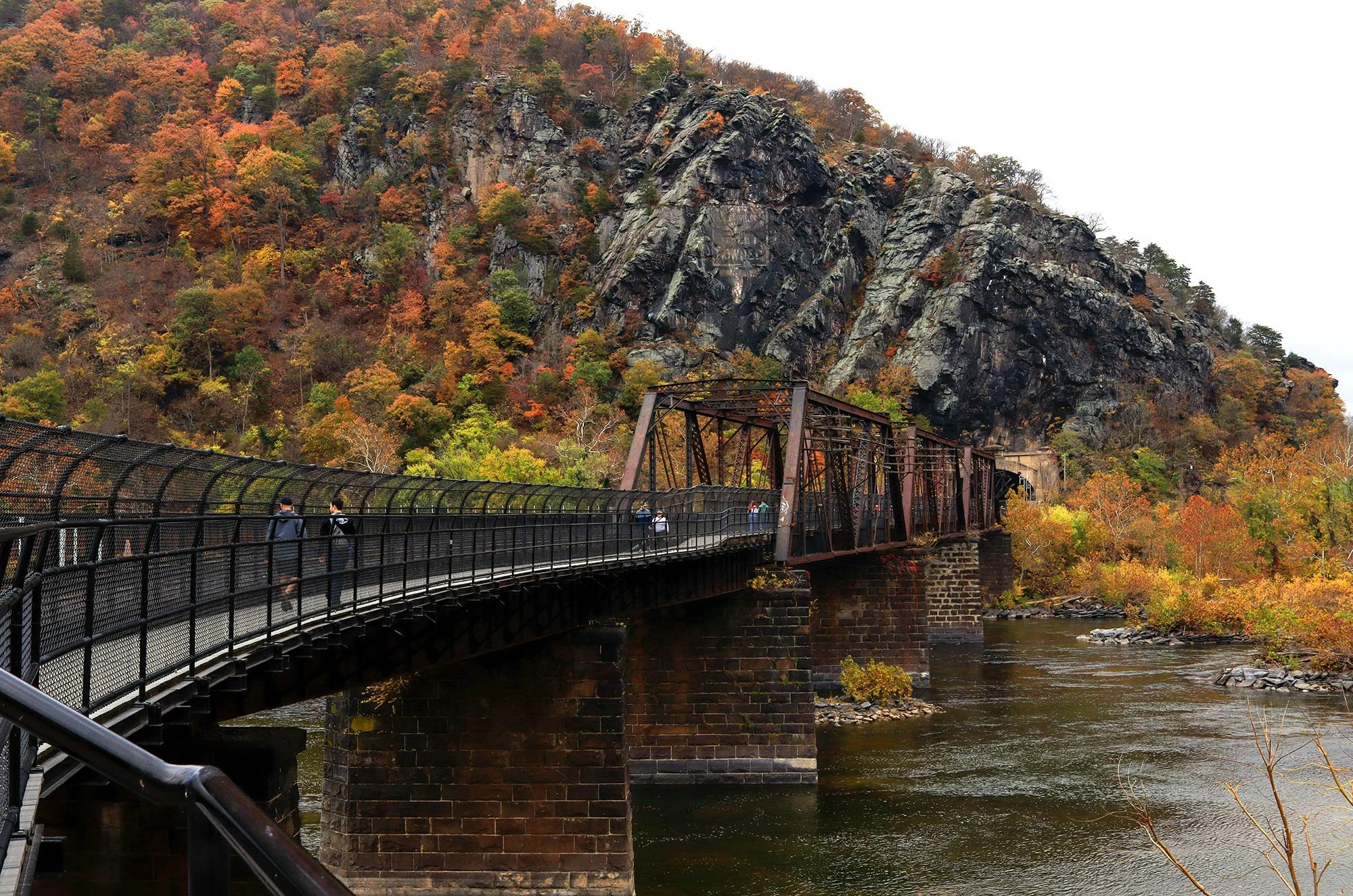
The Potomac and Shenandoah rivers made Harpers Ferry the perfect location for an armory, railroad and canal — Joshua Hummell / Unsplash
Long before the first shots of the Civil War echoed through the Blue Ridge Mountains, the history of Harpers Ferry was defined by industry. As the young United States looked to secure its independence, President George Washington needed to establish domestic weapons manufacturing. He chose Harpers Ferry.
Why here? The answer lies in the water. The rushing currents of the Potomac and Shenandoah rivers provided an endless source of kinetic energy, perfect for powering heavy industrial machinery. In 1799, the United States Armory and Arsenal was established, transforming this quiet ferry crossing into a booming factory town. Over the next six decades, the armory produced more than 600,000 muskets, rifles, and pistols.
The industrial boom only accelerated with the arrival of the Baltimore & Ohio (B&O) Railroad and the Chesapeake & Ohio (C&O) Canal in the 1830s. Harpers Ferry became a vital artery of American infrastructure, connecting the eastern seaboard to the expanding western frontier. It was a town of constant noise—the roar of the rivers, the striking of blacksmith hammers, and the whistle of steam locomotives.
Today, the deafening roar of the factories is gone, but the foundations remain. As you walk through the Lower Town of Harpers Ferry National Historical Park, you can stroll right past the stone ruins of the armory, waterways and the remains of John H. Hall’s Rifle Works on Virginius Island. It is a hauntingly quiet place to reflect on the town's industrial prime.
The Spark of the Civil War: John Brown’s Raid (1859)
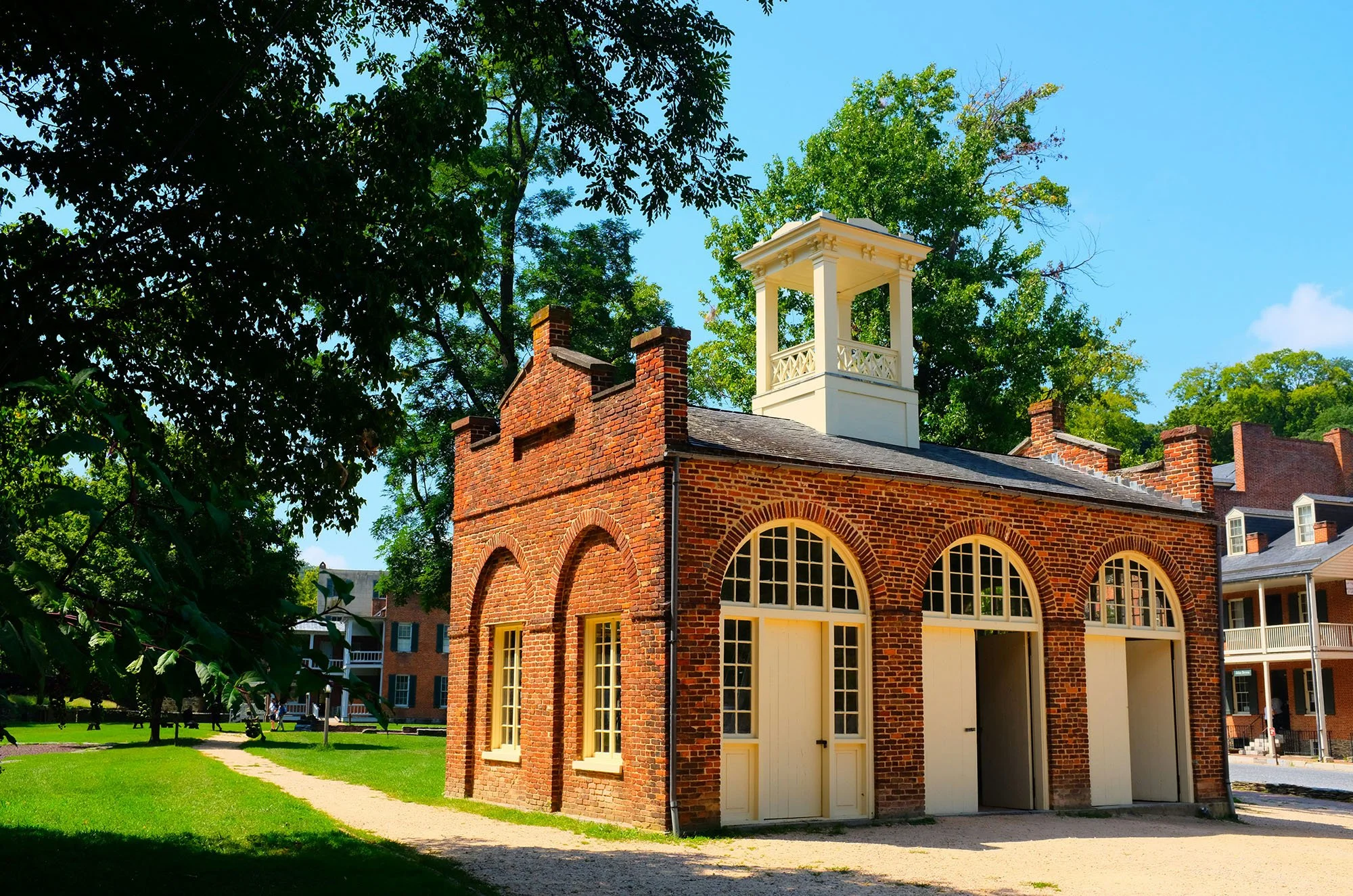
Harpers Ferry was forever written into the history books when John Brown’s Provisional Army launched a raid — Girma Nigusse / Unsplash
If the armory put Harpers Ferry on the map, John Brown put it in the history books. By the autumn of 1859, the United States was tearing itself apart over the institution of slavery. John Brown, a radical abolitionist who believed that peaceful resistance was futile, devised a bold plan: he would capture the federal arsenal at Harpers Ferry, distribute the 100,000 weapons stored there to enslaved people, and ignite a massive rebellion throughout the South.
On the dark, rainy night of October 16, 1859, Brown and his Provisional Army of 21 men (16 white, 5 Black) crossed the Potomac River. They quickly cut the telegraph wires, captured the armory, and took several prominent local citizens as hostages.
But the massive uprising Brown anticipated never materialized. Instead, local militia quickly surrounded the town, trapping Brown and his men inside a small brick fire engine house. On the morning of October 18, a company of US Marines—commanded by then-Colonel Robert E. Lee and Lieutenant J.E.B. Stuart—stormed the building.
The raid was over in three minutes. Brown was captured, tried for treason, and hanged six weeks later. His raid ultimately failed, but it succeeded in entirely polarizing the nation. As Frederick Douglass later noted, John Brown "began the war that ended American slavery".
You can still visit the exact brick building where Brown made his final stand. Known today as John Brown's Fort, it is the most photographed building in the town. You will find it sitting prominently in the Lower Town, a solemn monument to a raid that changed the course of a nation.
Harpers Ferry During the Civil War (1861-1865)
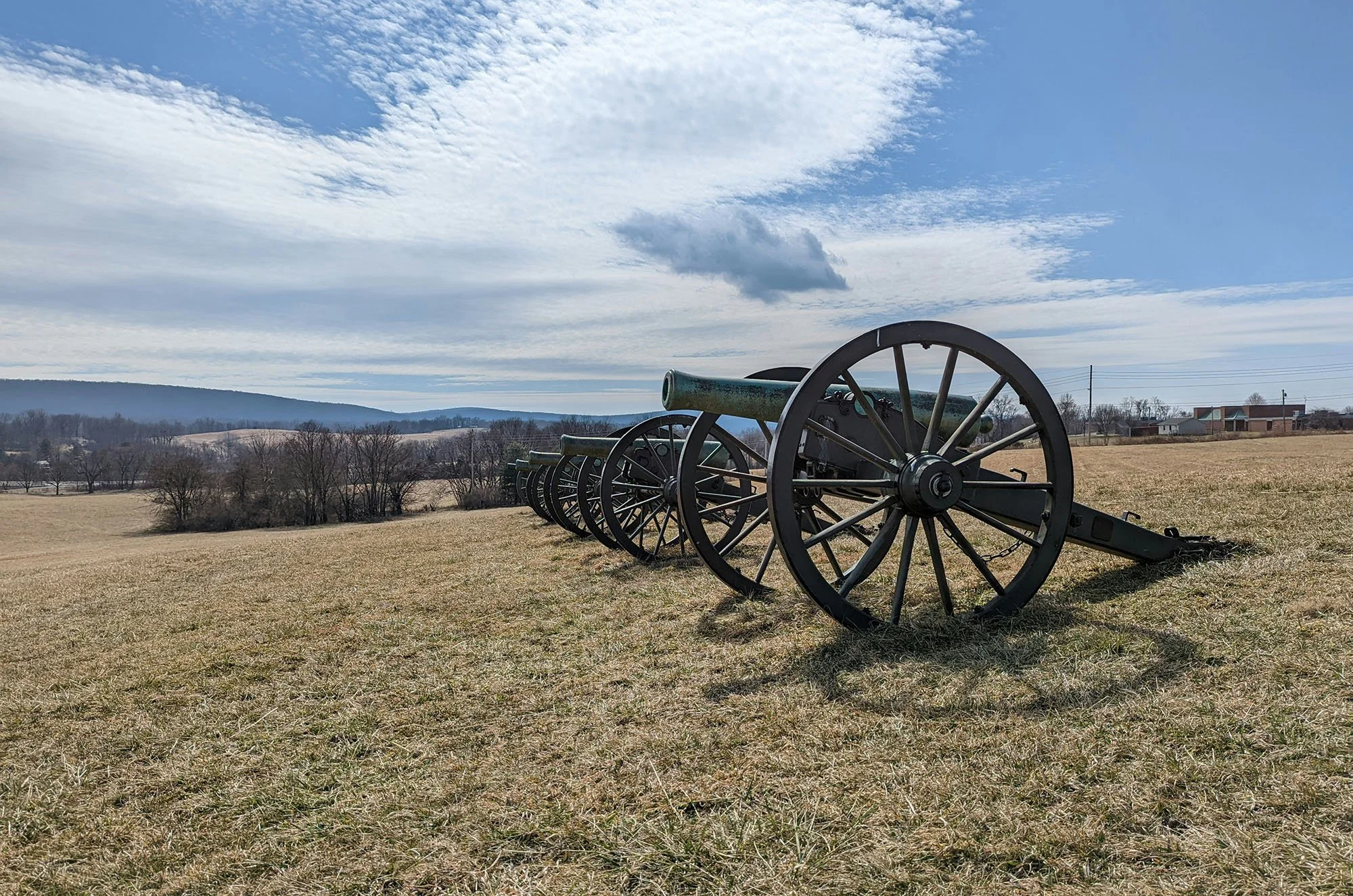
Defending Harpers Ferry was like being "in the bottom of a teacup" — Kylan Hill / Unsplash
When the Civil War finally erupted in 1861, Harpers Ferry was immediately caught in the crossfire. The very geography that made the town an industrial powerhouse made it a tactical death trap for occupying armies.
Harpers Ferry sits at the bottom of a bowl, completely surrounded by towering ridges: Maryland Heights to the north, Loudoun Heights to the south, and Bolivar Heights to the west. Military commanders quickly realized that whoever held the high ground held the town. As one soldier grimly noted, defending the Lower Town was like being "in the bottom of a teacup" while the enemy sat on the rim.
Because of its critical railroad bridge and armory machinery, the town was highly coveted. It changed hands between Union and Confederate forces eight times over four years. The most dramatic of these shifts occurred in September 1862. During the Maryland Campaign, Confederate General Thomas "Stonewall" Jackson brilliantly outmaneuvered the Union garrison. By placing artillery on all three surrounding heights, Jackson forced the surrender of 12,500 Union soldiers on September 15, 1862.
To truly understand the strategic nightmare of Harpers Ferry, you have to see it from above. Drive up to the Bolivar Heights battlefield for a sweeping view of the Shenandoah Valley, or, if you're up for a physical challenge, hike the steep trail up Maryland Heights. Standing by the remains of the Union artillery batteries, looking down at the tiny town below, the military history of the Civil War in Harpers Ferry clicks instantly into place.
Post-War Rebirth and Storer College
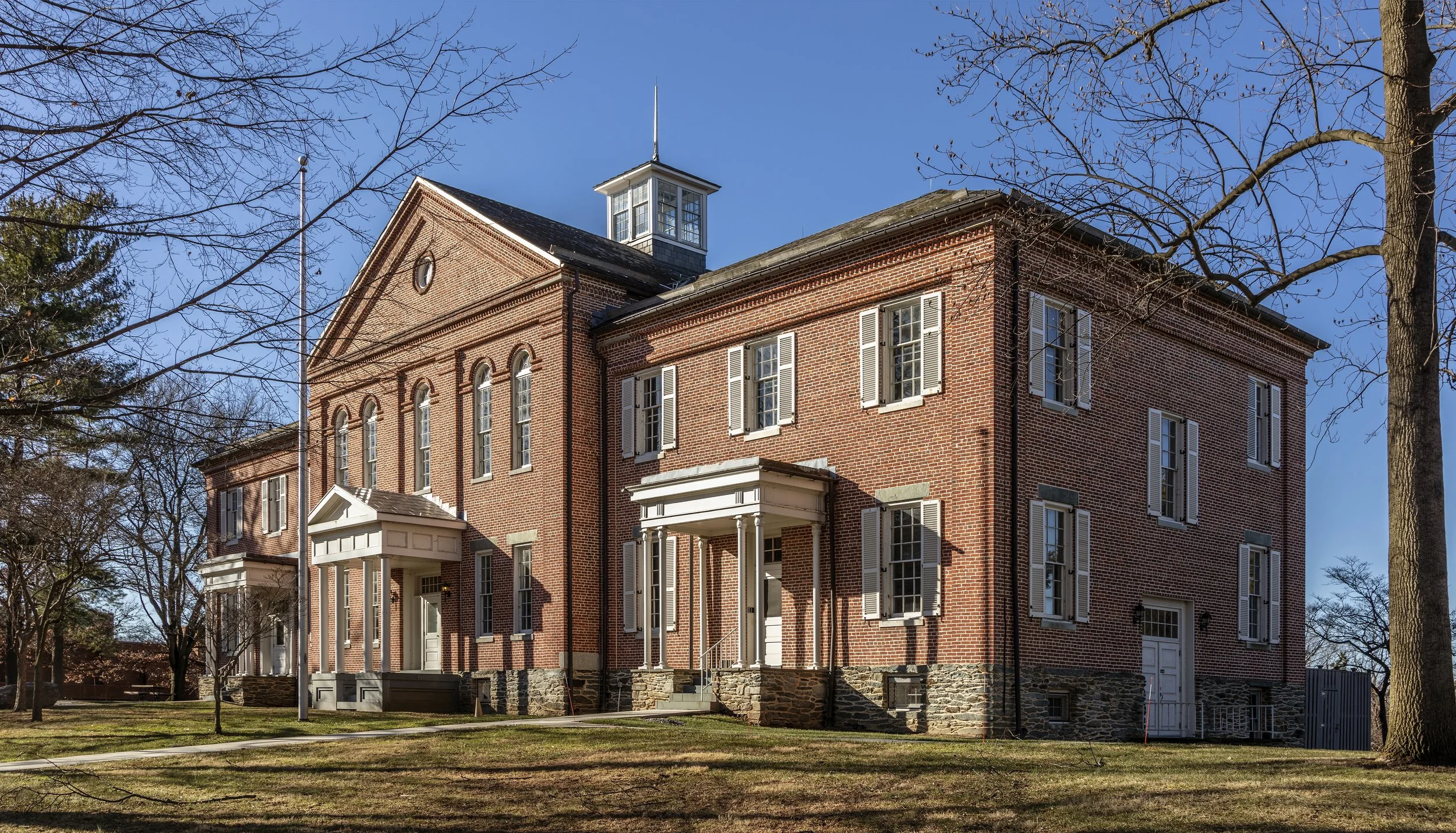
Storer College was one of the first institutions of higher education in West Virginia open to African Americans — Acroterion / CC 4.0
The Civil War left Harpers Ferry in ruins. The armory was burned, the bridges were destroyed, and the local economy was shattered. But in the decades following the war, the town experienced a profound rebirth, transitioning from a center of weapons manufacturing to a beacon of education and civil rights.
In 1867, Storer College was founded in Harpers Ferry by the Freewill Baptists. It was one of the first institutions of higher education in West Virginia open to African Americans, many of whom were formerly enslaved. The college became a vital cultural and educational hub.
Its significance in the civil rights movement was cemented in 1906 when W.E.B. Du Bois chose Storer College as the site for the first American meeting of the Niagara Movement. This groundbreaking gathering of Black intellectuals and activists laid the foundational groundwork for what would eventually become the NAACP. The legacy of John Brown’s fight for freedom had come full circle.
Experience Harpers Ferry’s History Today With Drives & Detours
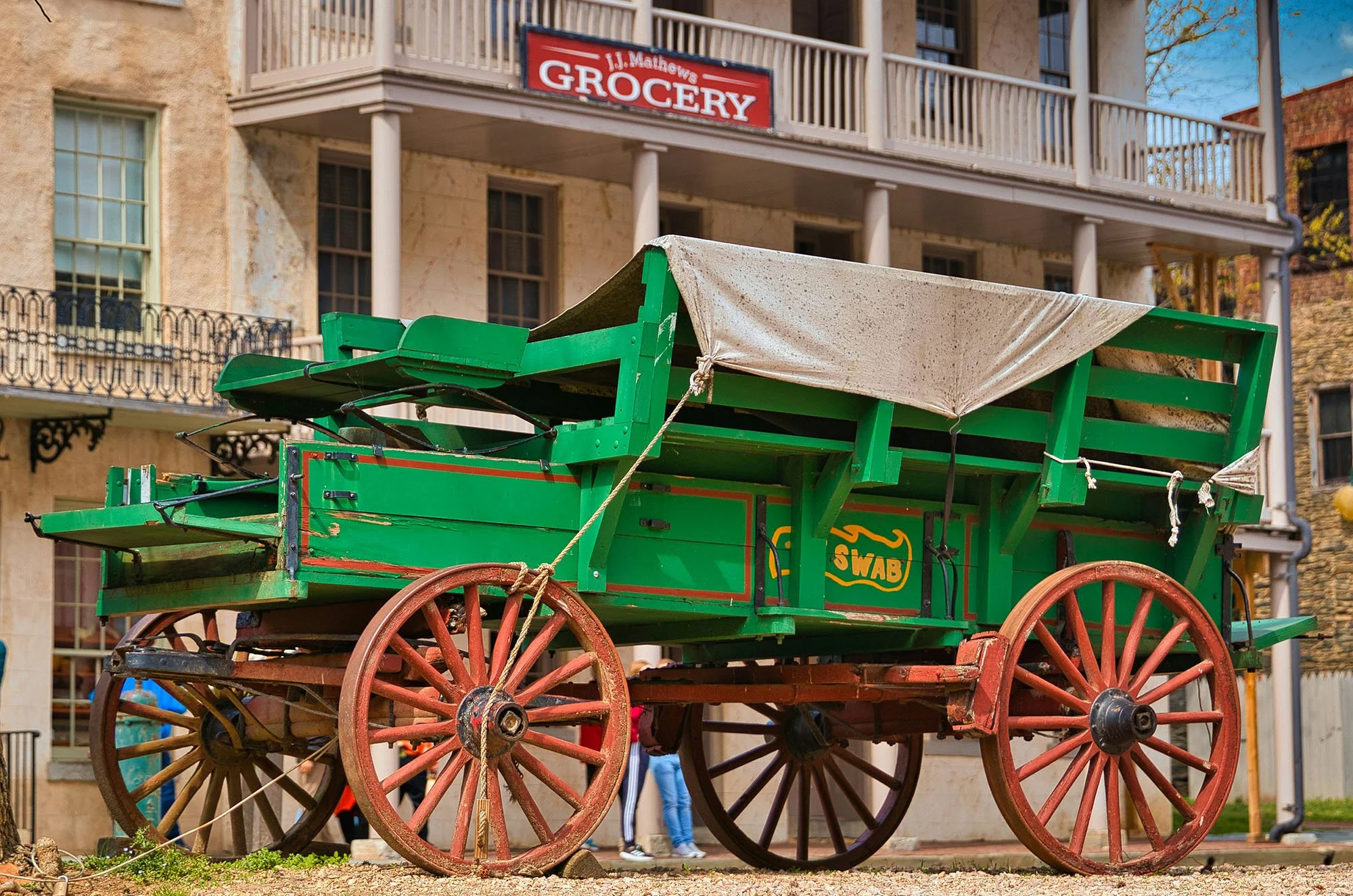
Escape the group tours of Harpers Ferry with Drs & Detours — Kirt Morris / Unsplash
Reading about the history of Harpers Ferry is one thing; experiencing the damp river air, the crumbling stone ruins, and the cobblestone streets is another. The town is perfect for Washington DC road trips; a weekend escape here allows you to step directly into the 19th century.
But let’s be honest: to truly absorb the gravity of Harpers Ferry, you don't want to be stuck in a massive tour group. You don't want to be straining to hear a guide over the rushing rivers, or being rushed past John Brown's Fort before you've had a moment to take it all in. You want to explore at your own pace, on your own time, and dive deep into the stories that matter most to you.
That’s where Drives & Detours comes in. When you arrive—we highly recommend parking at the main Visitor Center at 171 Shoreline Drive and taking the quick, free shuttle to the Lower Town—you can transform your smartphone into your own personal, on-demand historian.
Take your time walking down Shenandoah Street, exploring the preserved storefronts, tracing the path of the B&O railroad, and standing halfway across the Potomac River footbridge to soak in the exact view that captivated Thomas Jefferson. With our self-guided audio tours, you control the itinerary. You can pause the history to grab a coffee, linger as long as you want at the armory ruins, and never have to chase a tour guide's umbrella.
Ready to walk in the footsteps of history on your own terms? Don't just read about Harpers Ferry—experience it deeply and independently. Download our comprehensive History, Ruins, & River Views Audio Tour today. Unlock the secrets of the Lower Town, discover the best scenic detours, and turn your trip into an unforgettable journey through America’s most turbulent chapter.