Where Seventy-Five Million Years Of Geology Meets Classic California Car Culture
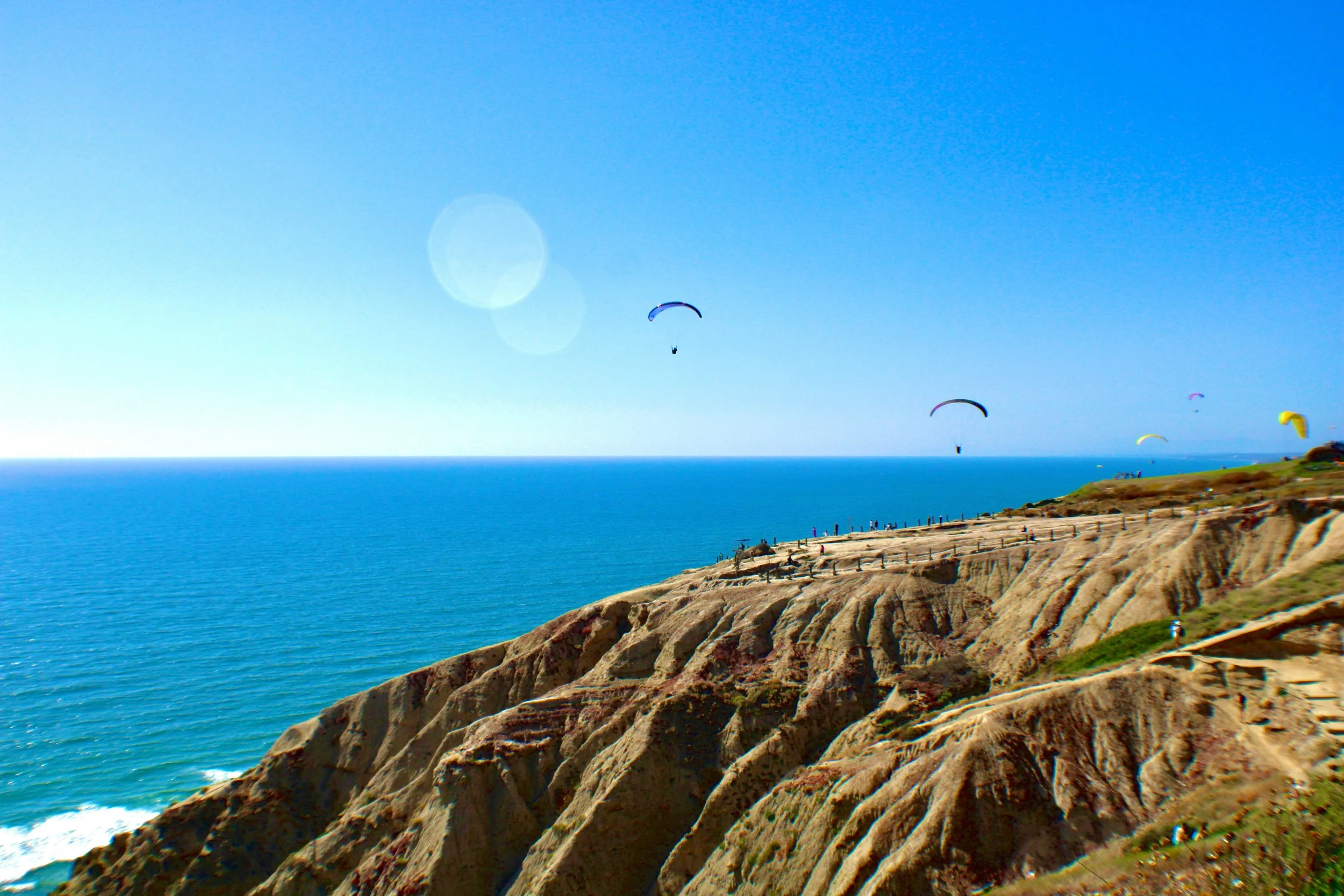
La Jolla offers dramatic sandstone bluffs and a rich historical tapestry that begs to be explored from behind the wheel — Micah Fluhart / Unsplash
San Diego is famous for its perfect weather and endless sunshine, but the true magic of this Southern California destination lies where the pavement meets the Pacific Ocean. Tucked into the northern edge of the city, La Jolla is a jewel of the coastline, offering a blend of dramatic sandstone bluffs, hidden ocean caves, and a rich historical tapestry that begs to be explored from behind the wheel.
The Drives & Detours Beaches and Bluffs self-guided tour provides the perfect roadmap for uncovering this stunning stretch of scenery at a leisurely, adventurous pace.
As the salty breeze fills the car and the expansive blue horizon stretches out alongside the winding coastal roads, it becomes abundantly clear why early settlers and modern travelers alike have been drawn to this very spot. This is not just a simple drive; it is a rolling journey through time.
From the ancient Indigenous roots of the region to the golden age of American road trips, the La Jolla coastline is packed with fascinating stories waiting to be discovered. Grab the keys, cue up a favorite driving playlist, and prepare to navigate a route where every single curve reveals a new chapter of natural wonder and local lore.
The Highlights: Milestones Along The La Jolla Coastline
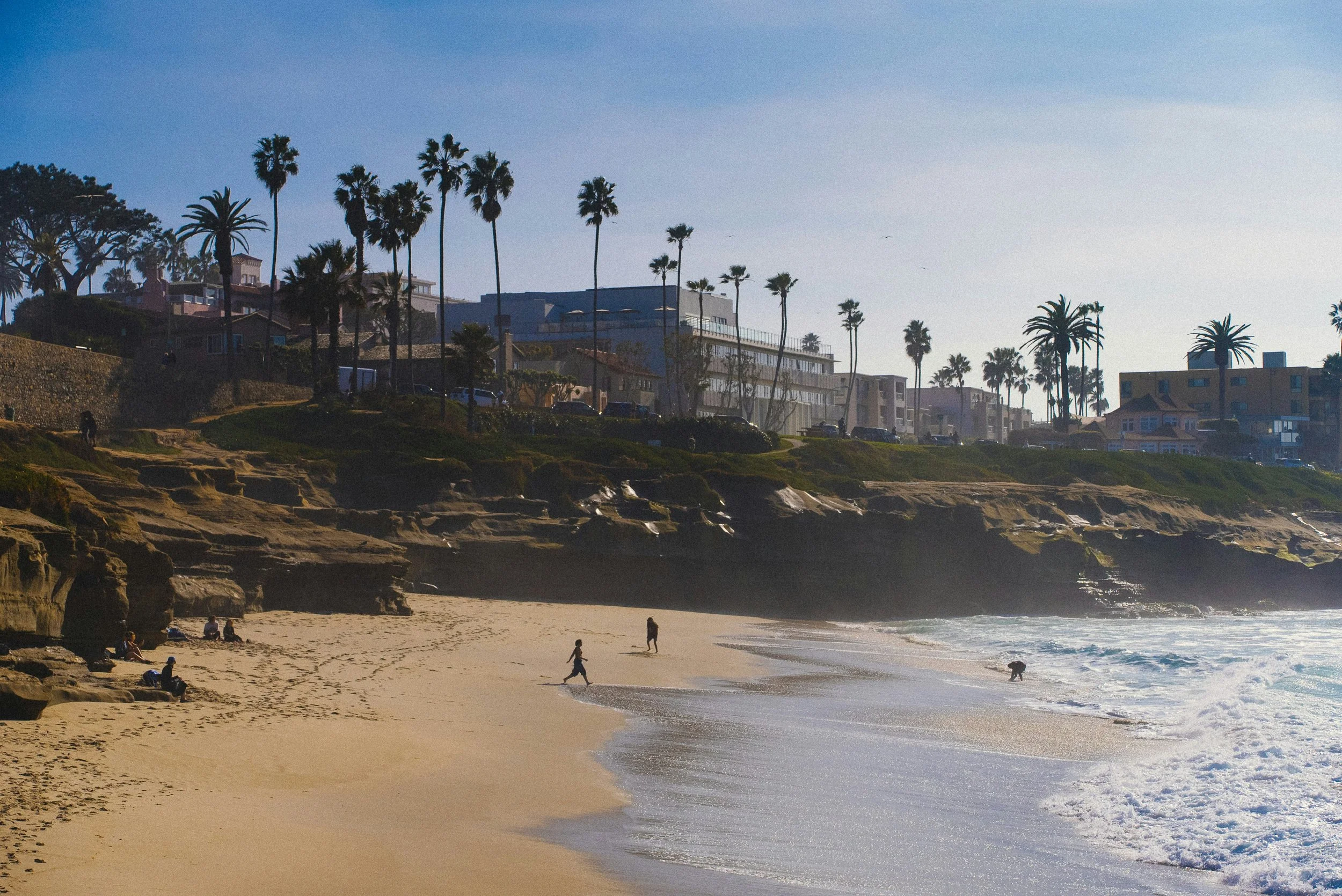
La Jolla is full of natural and human history to discover — Nils Huenerfuerst / Unsplash
Discover millions of years of natural architecture and over a century of local lore right from your dashboard. From prehistoric sandstone cliffs to Prohibition-era smuggling tunnels, here are the essential stops and stories on your self-guided route:
The Point Loma Formation: Marvel at the dramatic, 75-million-year-old sandstone bluffs shaped by the relentless erosion of the Pacific Ocean
Kumeyaay Heritage: Reflect on the deep ancestral history of the region, known to the Indigenous Kumeyaay Nation as mut-lay-hoyyah, or the cave place
Sunny Jim Sea Cave: Descend 138 historic steps into a cavernous bootlegger's paradise, hand-carved in the early 1900s and accessible through a local storefront
The Children's Pool Breakwater: Admire the elegant 1931 seawall, generously funded by philanthropist Ellen Browning Scripps to shield local swimmers from powerful crosscurrents
A Harbor Seal Haven: Pull over and leave the car in park to watch hundreds of spotted harbor seals lounging in their protected Marine Mammal Reserve
Historic Coast Boulevard: Cruise along an 1887 panoramic roadway designed specifically to bring early travelers straight to the restorative, salty sea air
Uncompromised Freedom: Ditch the rigid schedule of a traditional tour bus and explore coastal California at your own pace with deeply researched local audio
The Point Loma Formation: Seventy-Five Million Years In The Making

The sheer sandstone cliffs have been battered into shape by the Pacific for millennia — Zach Josephson / Unsplash
Before any roads were paved or visionary philanthropists began shaping the seaside town, the rugged foundation of La Jolla was laid down during the Cretaceous Period. The sheer sandstone cliffs that define this stretch of the Pacific coast date back approximately 75 million years, back to the final stretch of the dinosaur age. Known to geologists as the Point Loma Formation, this ancient sedimentary rock has been battered, shaped, and beautifully sculpted by the relentless power of ocean waves for millennia.
The visual drama of these coastal bluffs is undeniable. Layers of golden and tan sediment tell a prehistoric story, offering a rugged vertical contrast to the soft sandy beaches nestled far below. As ocean swells crash against the porous stone, the mechanical force of the water, combined with suspended sand particles, grinds away at the crevices. This endless cycle of erosion is responsible for the breathtaking arches, sea stacks, and deep coastal indentations that make a scenic drive here so visually mesmerizing.
Long before Spanish explorers or American settlers arrived to admire the geology, the Kumeyaay Nation inhabited this region, living in deep harmony with the land and sea. Local historians and linguists suggest the name La Jolla likely derives from the Kumeyaay phrase mut-lay-hoyyah, which translates to the cave place. Over time, the phrasing evolved as different cultures left their mark, but the deep ancestral connection to the earth and the awe-inspiring geological features remains completely unchanged.
Uncover The Seven Sea Caves Of La Jolla

La Jolla is surrounded by caves that were used by Prohibition-era smugglers — Andres Garcia / Unsplash
No driving tour of this community is complete without pausing to marvel at the famous sea caves. Carved directly into a 200-foot-high bluff face, the Seven Caves of La Jolla sit securely along the edge of the protected La Jolla Ecological Reserve. From east to west, these spectacular natural wonders are known as White Lady, Little Sister, Shopping Cart, Sea Surprize, Arch, Sunny Jim, and Clam Cave.
Each cave possesses its own distinct personality and vibrant history. Arch Cave is the deepest along the California coast, reaching an impressive 680 feet into the bedrock through multiple sprawling corridors. Shopping Cart Cave earned its quirky moniker because strong underwater currents tend to sweep lost items, sunglasses, and lobstering traps directly into its gaping mouth. Meanwhile, deep within Sea Surprize Cave, early explorers discovered vivid orange flowstone walls and marine pools populated by sea anemones crusted with brilliant calcite.
Perhaps the most legendary of them all is Sunny Jim Cave. In the early 1900s, a German academic named Gustav Shulz envisioned a lucrative way to bring visitors directly into the heart of the cavern without needing a boat. He hired laborers to painstakingly carve a 138-step tunnel straight down through the thick sandstone, starting right from the living room floor of his private home perched on the cliff above.
For fifty cents, curious tourists could descend into the belly of the earth. According to local legend, Wizard of Oz creator L. Frank Baum named the cave because the silhouette of its ocean-facing opening perfectly resembled a cartoon mascot for a popular British cereal brand of the era.
When the Prohibition era hit the nation, the dark, secluded, and cavernous nature of the sea caves provided the perfect cover for illicit activities. Smugglers heavily utilized Sunny Jim Cave to bring whiskey into San Diego under the cover of night, bypassing the law and adding a thrilling layer of renegade history to the beautiful coastline.
Today, visitors can still walk down those original steps via the local Cave Store, leaving the car parked above while stepping briefly into the cool shadows of the past.
Ellen Browning Scripps And The Unintended Harbor Seal Haven
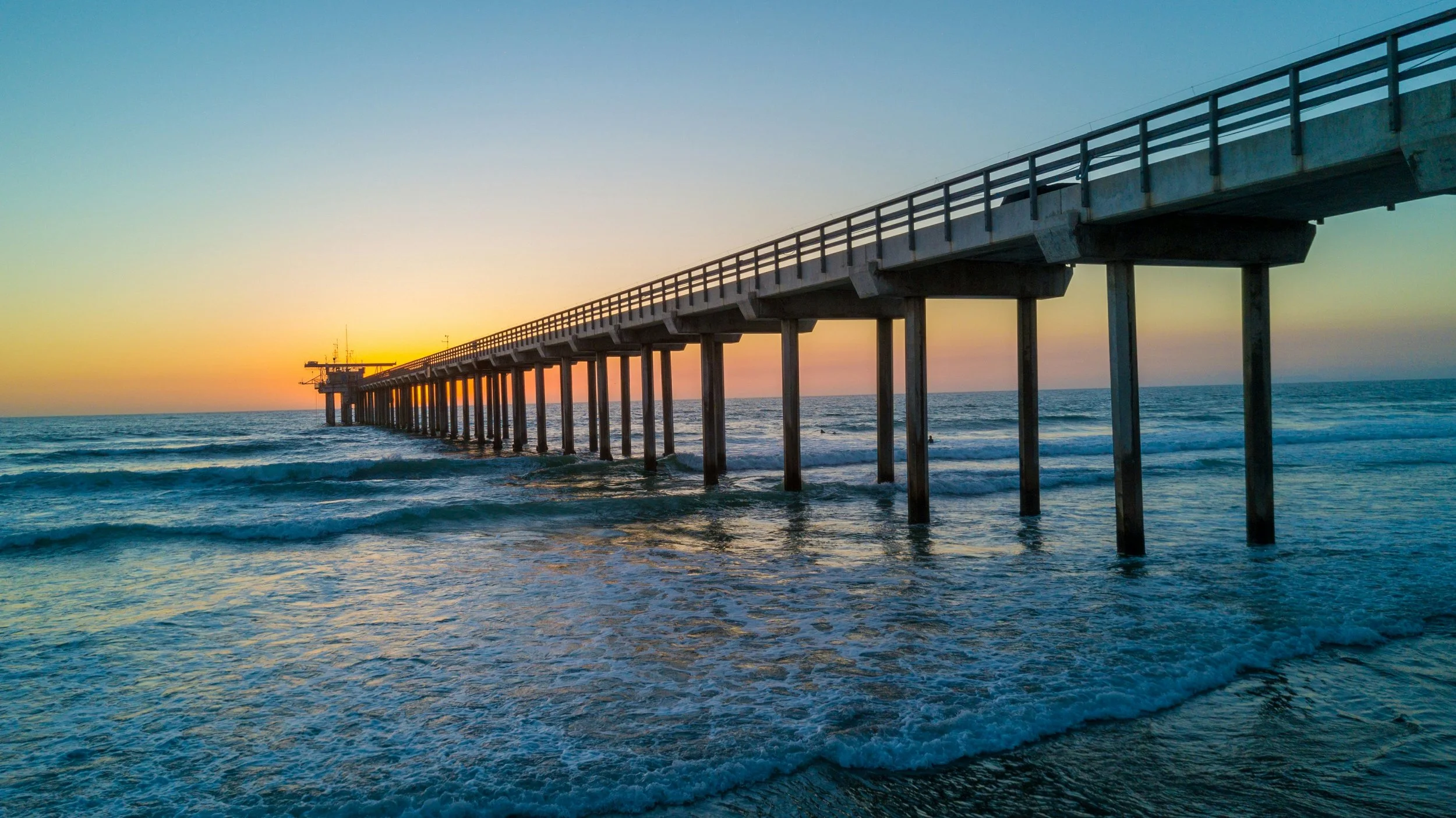
Ellen Browning Scripps had the most influence over the development of La Jolla — David Deleon / Unsplash
Cruising further south along the sweeping coastal curves, the route approaches one of the most beloved and endlessly debated landmarks in Southern California: the Children's Pool. This picturesque, horseshoe-shaped cove is instantly recognizable from the driver's seat thanks to a sweeping concrete breakwater that pushes back the wild Pacific surf.
The story of the Children's Pool begins with Ellen Browning Scripps, a wealthy and visionary local philanthropist who profoundly shaped much of modern La Jolla. In the late 1920s, Scripps recognized that the powerful crosscurrents of the open ocean were far too dangerous for adolescent swimmers.
She generously hired engineer Hiram Savage to design a protective barrier, and in 1931, the 300-foot-long arcing seawall was completed and officially gifted to the city. It was a monumental achievement in coastal engineering, featuring a divided staircase and an observation walkway surrounded by a stately iron balustrade.
For decades, local families flocked to the tranquil, protected waters. However, nature eventually had a much different plan. By the early 1990s, the local population of marine mammals began to surge, and harbor seals discovered that the sheltered, calm waters and sandy shoreline of the Children's Pool made for the absolute perfect rookery. Recognizing the major ecological shift, the city established a Marine Mammal Reserve in 1994 to protect the animals during their pupping season.
Today, pulling over near the Children's Pool offers a front-row seat to a spectacular wildlife show. Hundreds of spotted harbor seals can often be seen basking comfortably on the warm sand, completely taking over the beach originally meant for toddlers. It is a brilliant reminder that while humans can build incredible, enduring structures, nature ultimately commands the coastline.
The Historic Heartbeat Of Coast Boulevard

La Jolla is designed to show off the best views of the Pacific Ocean — Yulia M / Unsplash
The physical ribbon that elegantly ties all these incredible sights together is Coast Boulevard. Laid out in 1887 as part of the original La Jolla Park subdivision, this curvilinear roadway was designed specifically to maximize the spectacular panoramic views of the Pacific Ocean. Recently recognized on the National Register of Historic Places, the La Jolla Park Coastal Historic District stands as a magnificent testament to early urban planning that passionately prioritized public access to nature.
Driving along this historic artery feels just like stepping into a vintage California postcard. The road skirts past the sprawling green lawns and swaying palm trees of Ellen Browning Scripps Park, a 5.6-acre centerpiece that practically begs travelers to park the car, stretch their legs, and enjoy a seaside picnic. The officially designated historic district encompasses thirty-five contributing resources, including quaint belvederes, early twentieth-century cottages, and iconic waterfront structures that have weathered decades of ocean storms.
At the turn of the twentieth century, La Jolla was aggressively marketed as a pristine place for physical and emotional rejuvenation. People traveled by train and early automobiles from heavily industrialized cities just to breathe the clean salt air, study fascinating marine life in the rocky tide pools, and admire the sweeping sea arches. Coast Boulevard was built to facilitate that exact restorative experience, and maintaining its historic integrity ensures that modern road-trippers can feel the exact same sense of peace and wonder as those early pioneers.
The Freedom Of A Self-Guided Driving Tour
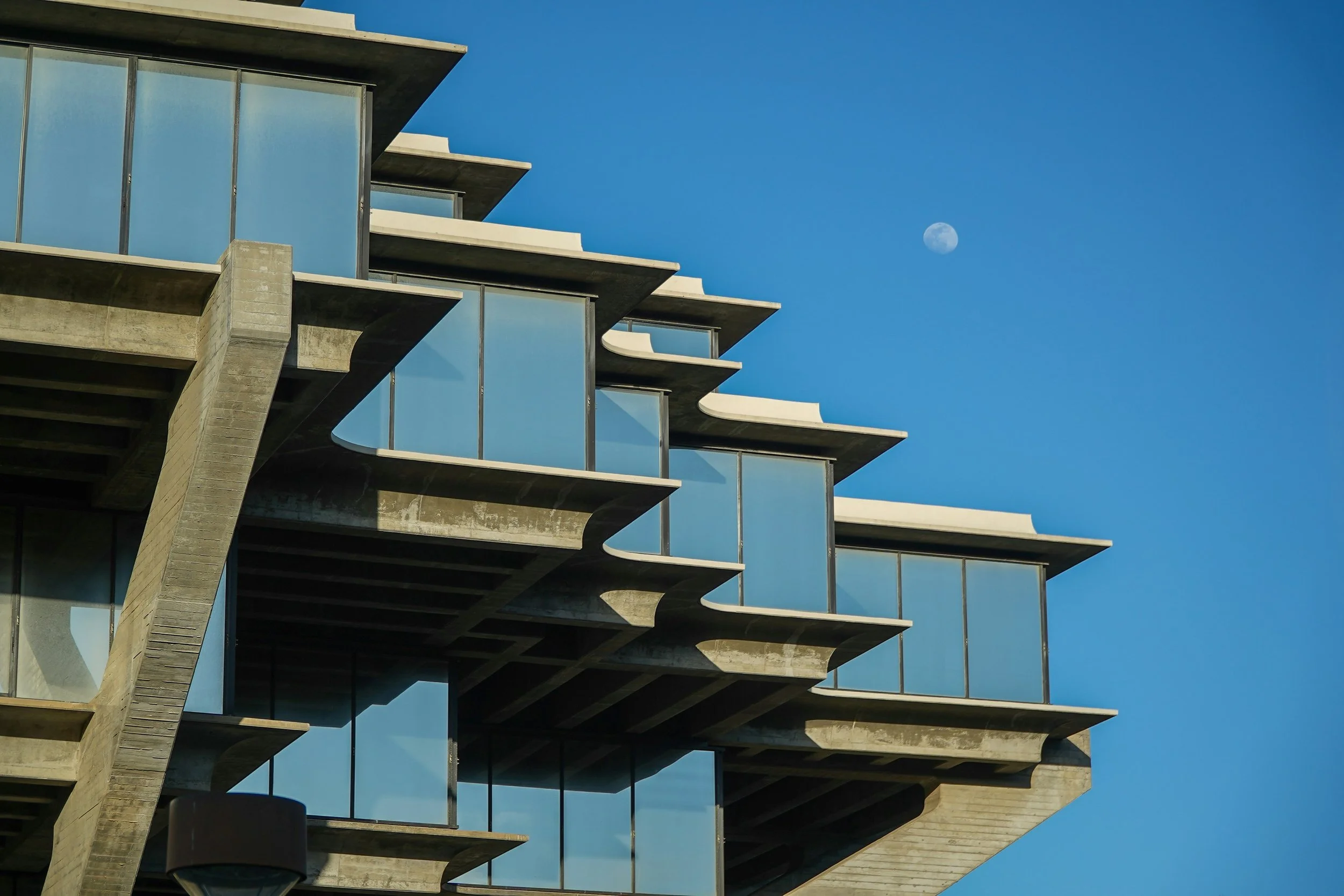
Discover La Jolla at your own pace with Drives & Detours — Jessica Tan / Unsplash
There is a distinct, measurable difference between merely visiting a place and truly experiencing its soul. Traditional bus tours operate on rigid, unforgiving schedules, and walking covers only a small fraction of the ground. A self-guided driving tour offers the ultimate luxury of modern travel: absolute, uncompromised freedom.
With the Drives & Detours Beaches and Bluffs route, the daily itinerary belongs entirely to the driver. Want to spend an extra hour watching the sea lions bark and play near La Jolla Cove? Simply leave the car in park and enjoy the show. Feel like pulling over to inspect the 75-million-year-old sandstone formations up close, or grabbing a coffee in the historic village center? The choice is always open.
A self-guided tour effortlessly transforms the dashboard into a personal command center for adventure. It provides all the rich historical context, accurate navigational ease, and hidden gems of a professional local guide, completely without the rush.
Drivers can pause the audio, roll down the windows, smell the distinct ocean breeze, and truly connect with the surrounding landscape. It is a deeply immersive way to engage with the prehistoric cliffs, the Prohibition-era smuggling tunnels, and the incredible philanthropic legacy of the people who shaped this coastal paradise.
Load up the scenic route, put the car in drive, and let the captivating stories of La Jolla unfold mile by beautiful mile.
Frequently Asked Questions About The La Jolla Driving Tour
How do I access the Sunny Jim Sea Cave without a boat?
You can walk right down into it directly from the coastal bluffs. Visitors enter through the historic Cave Store and descend the original 138-step wooden staircase that was painstakingly carved through the sandstone in the early twentieth century.
Can I still swim at the Children's Pool?
While it was originally engineered in 1931 as a safe swimming area for adolescents, nature had other plans. Today, the area is a protected Marine Mammal Reserve. Because it serves as a primary rookery for local harbor seals, swimming is highly discouraged—and restricted during pupping season—allowing you to view the incredible wildlife from the safety of the observation walkway.
Where is the best place to pull over and stretch my legs?
Ellen Browning Scripps Park is a sprawling, 5.6-acre green space nestled right along Coast Boulevard. Lined with swaying palm trees and offering unobstructed views of the Pacific, it is the perfect spot to park the car, enjoy a seaside picnic, and take in the historic belvederes.
What is the best way to see the other La Jolla sea caves?
While Sunny Jim is the only cave accessible on foot from land, you can spot the entrances to the other six—including Arch Cave and Shopping Cart Cave—by looking out from the cliffside vantage points along your drive. For a closer look at the vibrant marine pools inside, many independent travelers opt to rent a kayak after finishing their drive.
Is the road itself historically significant?
Absolutely. Coast Boulevard is the physical ribbon tying this route together, laid out in 1887 to maximize panoramic ocean views for early motorists and train passengers. The surrounding La Jolla Park Coastal Historic District is officially recognized on the National Register of Historic Places, preserving its turn-of-the-century charm.
How long does this self-guided route take?
The luxury of a Drives & Detours route is that the timeline belongs entirely to you. You can cruise the historic stretch in an hour or two, or easily turn it into an all-day affair—pausing the audio to watch the sea lions, explore the tide pools, and grab a coffee in the village center.